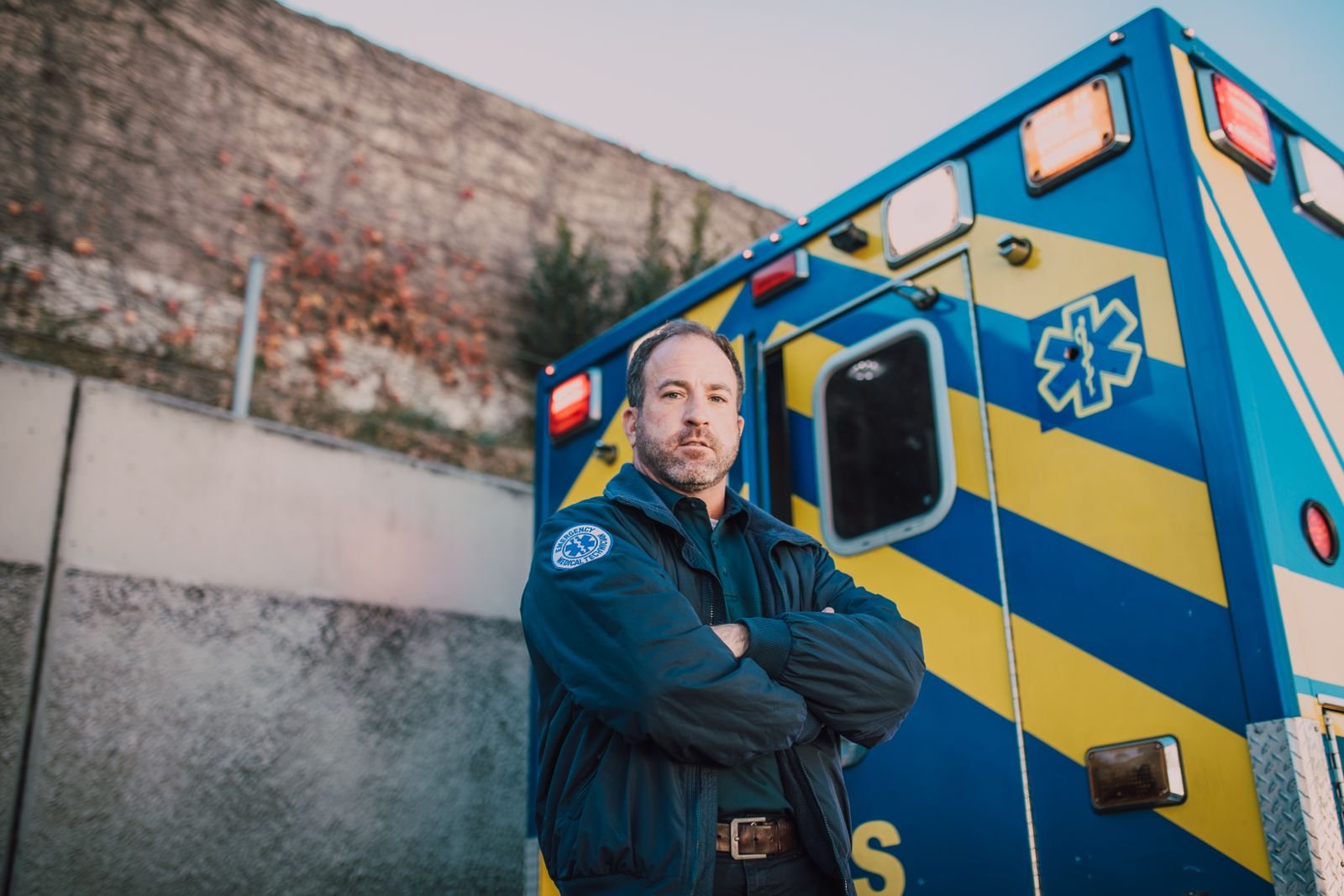
Malaysia has a single national emergency line, and it works the same way from Kuala Lumpur to a Sabah dive island. The harder part is knowing what to say, where the nearest proper hospital is, and who to call once the immediate danger has passed. This page pulls those pieces together. Numbers were checked against recent news and official statements as of October 2026, but save the ones you need offline before you travel.
The numbers to save before you land
| Service | Number | Notes |
|---|---|---|
| Police, ambulance, fire | 999 | National emergency line, free from any phone |
| Emergency from a mobile | 112 | Redirects to the same operators; useful when roaming |
| Tourist Police (Kuala Lumpur) | 03-2149 6590 | From abroad +60 3 2149 6590; second line 03-2149 6593 |
| Tourist Police booth | MaTiC, 109 Jalan Ampang, KL | Open 8am to 5pm daily for theft and lost document reports |
The national system was upgraded in November 2025 with a new “NG MERS 999” platform, run with Telekom Malaysia and five emergency agencies including police, health and Bomba. The 999 voice line remains the primary channel and the officials’ advice is simply to dial 999 first. Early on, some callers reported delays getting through, so if a call does not connect within a minute, redial, and if you are in or near a hospital or hotel, ask the front desk to call as well.
Older guides still list 994 for fire. We could not confirm it as a current separate line, so do not rely on it. Dial 999 and say “fire” (api) or “Bomba”.
How to make the call
Stay calm and speak slowly. Operators handle English, but a few Malay words help if the line is poor:
- Polis (police), ambulans (ambulance), kebakaran (fire), tolong (help)
- Give your exact location first: street name, nearest landmark, building or condo block, and the state. In Borneo, give the village or jetty name.
- Say what happened, how many people are hurt, and whether anyone is unconscious.
- Do not hang up until the operator ends the call. Keep the phone free for a call back.
Deliberate false calls are an offence and can lead to a heavy fine or prison, so do not test the line.
Police and tourist police
Malaysian police (Polis Diraja Malaysia) respond quickly in cities but can take far longer in rural Pahang, Kelantan, Sarawak and Sabah. For crimes against tourists, such as bag snatching by motorbike, a stolen phone or a lost passport, the Tourist Police unit is the better first stop in Kuala Lumpur. Their booth at MaTiC was opened in 2024 specifically to help foreign visitors file reports and sort out problems. Outside KL, go to the nearest balai polis (police station) and ask for a report in English.
Always carry a photocopy or photo of your passport photo page. Police can ask to see ID at any time, and you should hand over a copy rather than the original where possible. If you are detained or arrested, you have the right to contact your embassy, and you should ask to do so immediately. Our embassies and consulates guide lists the main missions in Kuala Lumpur and the steps for replacing a lost passport.
For the broader picture on petty crime and where it happens, read is Malaysia safe to visit.
Ambulance and hospital advice
An ambulance through 999 will take you to the nearest government hospital, which is not always the best choice for a foreign visitor. Public hospitals are heavily subsidised for emergencies but can be crowded and basic. If the situation is not life threatening and you can travel safely, a taxi or Grab to a private hospital is often faster and more comfortable. Established private options in the Klang Valley include Gleneagles Kuala Lumpur in Ampang and Sunway Medical Centre in Petaling Jaya, both with 24-hour emergency departments, as covered in our health and vaccinations guide.
Private hospitals normally ask for a deposit or a credit card guarantee before treatment, unless you are critical. If you have insurance, phone the insurer’s 24-hour assistance line on the way, because many policies need approval before an admission or evacuation.
Island and jungle trips need extra planning. On Perhentian, Tioman, Redang and the Semporna dive islands, the nearest hospital can be a boat ride plus a drive away, and serious cases are moved by speedboat or air. Dive operators in Semporna and Langkawi run their own emergency procedures and know the nearest decompression chamber, so tell your guide about any medical condition at briefing.
Pharmacies are plentiful in towns (Guardian, Watsons and independent chemists), and pharmacists can handle minor stomach upsets, sunburn and insect bites without a prescription.
Common emergencies and the right first call
- Medical emergency or accident: 999, then your insurer.
- Snatch theft or stolen phone: police report within 24 hours (Tourist Police in KL), then insurer and bank.
- Lost or stolen passport: police report, then your embassy or high commission.
- Lost bank card: call your bank’s overseas number first, which is printed on the back of the card or in the app.
- Fire or smoke in a hotel: leave the building, then 999.
- Flood or landslide warnings: common during the northeast monsoon from November to March on the east coast; follow local authority guidance and your hotel’s instructions.
- Drowning or sea emergency: 999 and ask for Maritime assistance; beaches in Langkawi, Penang and Terengganu have lifeguards at main stretches only.
Travel insurance: why it matters here
Malaysia has good private healthcare at far lower prices than the UK, US or Australia, but an overnight admission, a fracture repair or an evacuation from Borneo can still cost thousands of ringgit. An embassy cannot pay your hospital bill. Take cover that includes medical expenses, emergency evacuation, and adventure activities if you plan to dive, trek or climb. We compare what to look for in our travel insurance guide for Malaysia, and you can get a quote for Malaysia travel insurance before you leave.
Keep the policy number, the 24-hour assistance phone number and a scan of your passport in a cloud folder and in your email, so you can reach them even if your phone is lost.
For official information, we point travellers to the Royal Malaysia Police and the Malaysian Meteorological Department.
Save this checklist offline
- 999 and 112
- Tourist Police: +60 3 2149 6590
- Your embassy’s 24-hour line
- Your insurer’s assistance number and policy number
- Your accommodation’s name, address and phone in both English and Malay
- Blood type and any allergies, written down or in your phone’s medical ID
A few minutes spent on this before departure makes any real emergency much easier to handle. Prices and opening hours change, so confirm details with the relevant service before you rely on them.