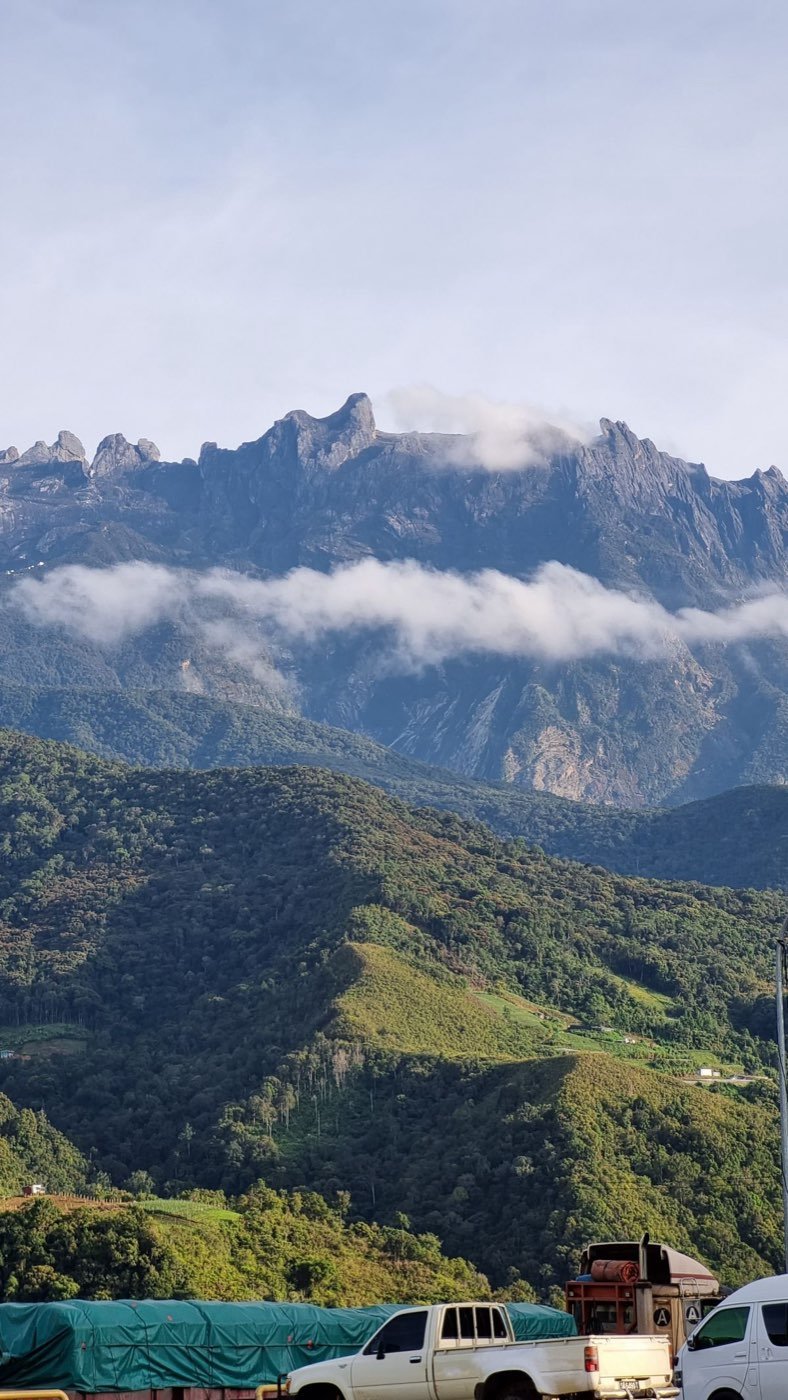
Malaysian Borneo does not have a single uniform climate. Sabah and Sarawak each occupy different coastlines and have slightly different weather patterns, and the inland rainforest experiences conditions distinct from both coasts. The conventional advice - go during the dry season, avoid the wet season - is broadly right but leaves out the most useful detail: what to do when, and what you can realistically expect in each month.
The Short Answer
March to October is the best window for most activities in Malaysian Borneo. This period covers the driest months for both Sabah and Sarawak, the peak diving conditions at Sipadan, and the optimal climbing conditions on Mount Kinabalu. April, May, and June are the most reliably dry months.
November to February brings the northeast monsoon. It does not make Borneo unvisitable - wildlife tours operate year-round and are unaffected by coastal rain - but Sipadan diving conditions decline, sea crossings can be rough, and summit views on Kinabalu are less likely. December and January have the highest average rainfall.
Sabah: Month by Month
January and February
The northeast monsoon is at its peak in early January. Rainfall in Kota Kinabalu averages 70-100mm per month (compared to 300-400mm in October-November), so it is not the wettest period - that distinction belongs to the October-November transition. But sea conditions around Semporna and Sipadan are rougher, visibility in the water drops, and east coast boat crossings are less comfortable.
The Kinabatangan River remains an excellent wildlife destination. The river’s high water level in January and February can actually push animals closer to the riverbanks, making spotting from a boat easier. Sepilok is open year-round.
Kota Kinabalu itself is pleasant in January and February - temperatures sit around 28-31°C, humidity is moderate, and there are no monsoon deluges on the west coast. It is a reasonable time for city-based activities and west coast day trips.
March
March is the transition month. Rainfall begins dropping, and sea conditions in the Semporna Archipelago start to improve toward the end of the month. Mount Kinabalu climbing conditions improve - the paths are drying out and summit cloud cover becomes less constant. March is a good month to consider if you want to combine Sabah’s coastal, wildlife, and mountain activities.
April, May, and June
The best months to visit Sabah. Conditions are at their driest and sunniest, Sipadan diving visibility peaks at 20-30 metres with calm seas, and the Kinabalu summit is most likely to be clear at dawn during a 2am summit attempt.
Sipadan permit competition is highest in these months. If you plan to dive Sipadan in April-June, book your permits (through a Semporna or Mabul operator) at least three months in advance. All 120 daily permits are frequently taken by operators’ pre-booked guests.
Wildlife viewing on the Kinabatangan is excellent through this period, though river levels drop from March onwards, which can occasionally concentrate wildlife further inland. Guides are good at navigating to optimal viewing spots regardless of water level.
Prices: Peak season rates apply at most lodges and dive operators from April through June. Expect to pay 15-25% more for accommodation compared to the shoulder months.
July and August
July and August continue the excellent diving and mountain climbing conditions of the April-June peak. Schools are on holiday in the UK, Australia, and much of Europe in July and August, making these the highest-occupancy months across Borneo’s tourist accommodation. Book ahead.
The Kinabatangan also delivers strong wildlife sightings in July-August. Hornbill breeding season peaks in this window, and birding guides report higher activity along the river.
September
September is the last month of reliable dry season conditions and often underrated by visitors who focus on the more well-known April-June peak. Prices have typically softened slightly from August, and Sipadan conditions remain excellent.
September is one of the most efficient months to visit Sabah: good weather, reasonable prices, and accommodation availability is easier than in the July-August peak.
October
October marks the beginning of the transition back to the northeast monsoon. The first significant rainfall returns, particularly on Sabah’s east coast. Kota Kinabalu on the west coast remains relatively sheltered - the Crocker Range provides some protection - but the east coast and the Semporna Archipelago become more unpredictable.
Kinabalu climbing is still possible in October but increasingly subject to cloud cover and wet paths. Wildlife on the Kinabatangan remains excellent year-round.
November
The northeast monsoon arrives in earnest in November. Sabah’s east coast sees significant rainfall, and Sipadan diving conditions decline. Flights to the region continue normally, and inland wildlife activities are unaffected. Lodges on the Kinabatangan operate and wildlife sightings remain reliable.
November is not a month to plan a Sipadan dive trip, but it is a perfectly viable month for orangutan and wildlife itineraries in the Kinabatangan-Sepilok-Sandakan triangle.
December
December has Borneo’s highest visitor numbers despite the monsoon, because of school holidays in the UK, Australia, and Singapore. This creates an unusual situation: the weather is at its worst for coastal activities, yet accommodation is expensive and in high demand.
If visiting in December, focus on Sepilok, the Kinabatangan, longhouse visits in Sabah, and Kuching-based activities in Sarawak. Avoid planning Sipadan diving or a Kinabalu summit attempt as the primary activities.
Sarawak: Month by Month
Sarawak’s climate is broadly similar to Sabah’s, with the northeast monsoon affecting the October-March period. However, Sarawak is generally wetter than Sabah throughout the year due to its geography and exposure to moisture from the South China Sea.
Best months for Sarawak: March through September, peaking in April-July.
Key seasonal considerations:
Bako National Park is accessible year-round. Proboscis monkeys are reliably seen at the park’s beach and mangrove edges in the late afternoon throughout the year. The park’s trail network closes certain routes during very heavy rain for safety; rangers advise on the day.
Mulu National Park operates year-round. The bat exodus from Deer Cave occurs nightly throughout the year - an estimated 3-5 million wrinkle-lipped bats spiral out from the cave entrance at dusk, with the timing varying slightly by season. The cave tour itself is sheltered from weather.
Longhouse visits are possible year-round. The primary longhouse event is Gawai Dayak (Sarawak Harvest Festival), held 1-2 June each year. If visiting during Gawai, some longhouse communities open to visitors during the festival - a genuine and uncommon cultural experience. Book through a Kuching-based tour operator at least a month ahead; independent visitors are generally not welcomed during active Gawai celebrations.
Sarawak Rainforest World Music Festival is typically held in late July or early August at the Sarawak Cultural Village near Kuching - exact dates change annually. It is one of Malaysia’s most distinctive annual events: three days of global music performed on outdoor stages surrounded by tropical forest. Check dates for 2027 if this is a draw.
Diving Calendar: Sipadan and Semporna
| Month | Conditions | Notes |
|---|---|---|
| January | Fair-poor | Rough seas, reduced visibility, some dive cancellations |
| February | Fair | Improving toward end of month |
| March | Good | Conditions improving; start of diving season |
| April | Excellent | Peak visibility, calm seas, highest permit competition |
| May | Excellent | Best overall month for diving in the region |
| June | Excellent | Peak conditions continue |
| July | Very good | High season, book permits well ahead |
| August | Very good | Holiday crowds; book ahead |
| September | Good-very good | Shoulder season, conditions excellent |
| October | Fair | Declining; east coast monsoon approaching |
| November | Poor-fair | Monsoon affects sea conditions |
| December | Fair-poor | Rough conditions, Christmas peak crowds despite weather |
Mount Kinabalu Climbing Calendar
Mount Kinabalu (4,095m) is climbable year-round, but the experience varies significantly by season.
Optimal months: April, May, June, September. Summit cloud cover is least likely in these months; the 2am summit push has the highest probability of a clear sunrise from Low’s Peak.
Avoid if possible: November, December, January. Rainfall and cloud are at their peak. Many climbers complete the summit push only to find zero visibility at the top. The via ferrata routes are closed in severe weather.
Permits and bookings: Mount Kinabalu summit permits are limited daily and managed by Sutera Sanctuary Lodges, which also operates the only accommodation at Laban Rata (3,272m) where climbers spend the night before the summit push. Permits for peak season months sell out three to six months ahead. Book directly through the Sabah Parks website or Sutera Sanctuary Lodges as early as possible. As of 2026, the full climb package (permit, Laban Rata accommodation, mandatory guide) costs approximately RM 1,600-2,200 per person depending on accommodation room type and season.
Summary: When to Go for What
| Activity | Best Months |
|---|---|
| Sipadan diving | April-June (peak); March, July-September (excellent) |
| Kinabatangan wildlife | Year-round; January-February (high water) can be particularly good |
| Mount Kinabalu summit | April-June, September |
| Bako National Park | Year-round; March-September (drier trails) |
| Mulu caves and bat exodus | Year-round |
| Kuching sightseeing | Year-round |
| Gawai Dayak festival | 1-2 June |
| Rainforest World Music Festival | Late July-early August |
| Avoiding crowds | September, March, October (west coast Sabah) |
| Best overall value | March, September |
Plan Your Borneo Visit
Book Sabah tours and activities from Kota Kinabalu - Sipadan diving packages, Kinabatangan River wildlife cruises, Sepilok orangutan visits, and Mount Kinabalu climbing packages organised by verified operators.
Book Kuching and Sarawak tours - Bako National Park, longhouse visits, Mulu caves, and Gawai cultural experiences through Kuching-based guides.
Compare flights to Malaysian Borneo - direct KL to Kota Kinabalu and KL to Kuching flights are frequent and cheap; book early for the April-June peak season.
Get travel insurance for Malaysia - strongly recommended for Kinabalu summit climbs, jungle trekking, diving, and remote wildlife areas where evacuation costs are high.
Set up a Malaysia eSIM before you arrive - Airalo Malaysia plans start from USD 4.50 for 7 days; useful for Kota Kinabalu and Kuching (signal drops in remote Sarawak interior).
Related reading: Car Rental Sabah & Sarawak.
Plan Your Trip
✈️ Book your flights to Malaysia 🛡️ Get travel insurance 📱 Stay connected with an eSIM 🚗 Rent a car