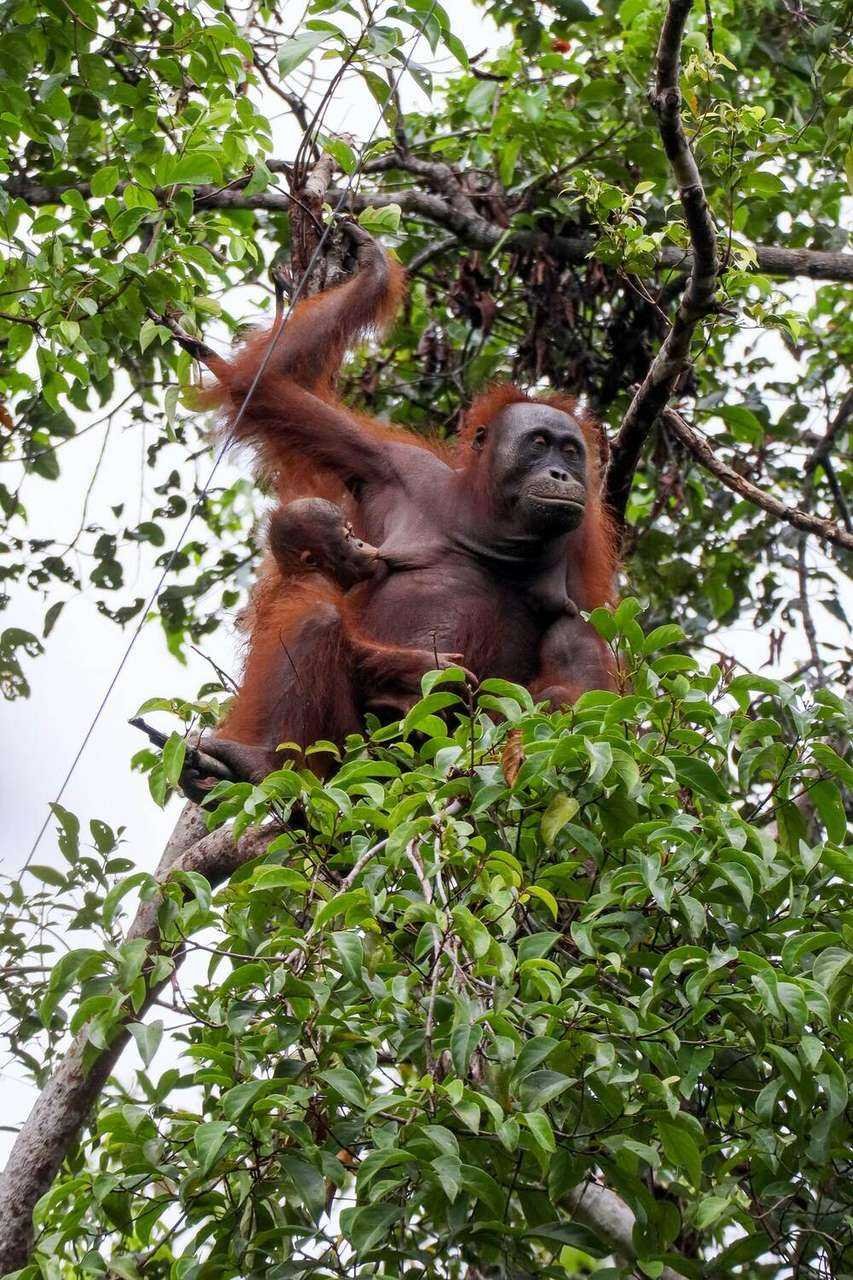
Borneo and Bali are both exceptional places. They also serve almost opposite purposes for travellers. Understanding what each does well - and what it cannot offer - makes the choice straightforward once you know what kind of trip you actually want.
This comparison focuses on Malaysian Borneo (Sabah and Sarawak), which is what most international travellers visit when they say “Borneo.” Indonesian Kalimantan is also Borneo, but it has a different infrastructure profile and is covered separately.
The Core Difference
Choose Borneo if: you want to see wild orangutans in their habitat, trek primary rainforest, climb one of Southeast Asia’s highest peaks, or dive Sipadan Island. Borneo’s draws are almost entirely nature and wildlife. The infrastructure is functional rather than luxurious, and the experience is about immersion in a genuinely intact ecosystem.
Choose Bali if: you want beaches, a developed nightlife and restaurant scene, yoga retreats, a rich Hindu cultural fabric, and easy day trip access to temples and rice terraces. Bali is highly polished for tourism; you can move around easily, eat well at all budget levels, and do very little planning while still having an excellent experience.
Both are valid choices. The mistake is applying Bali’s benchmarks to Borneo or vice versa.
Wildlife and Nature: Borneo Wins
This is not a close comparison. Borneo is one of the world’s most biodiverse places and home to three species found nowhere else on Earth in the wild: the Bornean orangutan, the Bornean pygmy elephant, and the proboscis monkey.
In Sabah (Malaysian Borneo):
- Kinabatangan River - a river cruise here is the best wildlife experience in Southeast Asia. You can see wild proboscis monkeys, macaques, hornbills, and - with luck - pygmy elephants and orangutans from a boat within a few hours of arriving. Stay two nights at one of the lodges near Sukau or Bilit for the highest probability encounters. Lodge rates start from approximately USD 80 per person per night including meals and river cruise transfers. Search lodges in Sukau on Booking.com.
- Sepilok Orangutan Rehabilitation Centre - approximately 26 kilometres from Sandakan, this is the largest orangutan sanctuary in the world. Feeding platforms at 10am and 3pm daily attract semi-wild orangutans back for supplemental food. Entrance costs RM 30 (approximately USD 6.80). Not a zoo - the animals are free-ranging within the forest reserve.
- Danum Valley Conservation Area - 438 square kilometres of protected old-growth lowland rainforest with low visitor numbers. Home to Sumatran rhino (extremely rarely seen), clouded leopards, sun bears, and the full complement of Borneo’s bird species. Access via Lahad Datu; the main accommodation is Borneo Rainforest Lodge (prices from approximately USD 300 per night, all-inclusive). Search lodges in Danum Valley on Booking.com.
In Sarawak (Malaysian Borneo):
- Bako National Park - the most accessible national park in Malaysian Borneo, reachable from Kuching by bus and boat in under two hours. Proboscis monkeys are reliably seen here in the late afternoon. Basic chalet accommodation is available within the park; book through the Sarawak Forestry Department website at least two weeks ahead.
- Semenggoh Wildlife Centre - an orangutan rehabilitation centre 24 kilometres from Kuching with feeding sessions at 9am and 3pm. RM 10 entrance (approximately USD 2.30). Smaller and less commercialised than Sepilok.
- Mulu National Park - UNESCO World Heritage Site famous for its cave systems. The Deer Cave, with its evening bat exodus of millions of wrinkle-lipped bats, is one of Malaysia’s most dramatic natural spectacles. The park is accessible by small plane from Miri or by a combination of river and road.
Bali has rice terraces, the Monkey Forest in Ubud, and some scenically beautiful areas around Kintamani. These are pleasant. They are not comparable to Borneo’s wildlife in terms of ecological significance or rarity.
Beaches and Coastal Life: Bali Wins
Borneo has coastline - Kota Kinabalu has a decent waterfront and access to the Tunku Abdul Rahman Marine Park islands - but beach culture is not Borneo’s identity. The islands in the marine park (Sapi, Manukan, Mamutik) are pleasant for a half-day snorkel but would not satisfy someone whose primary goal is lying on a beautiful beach.
Bali, by contrast, has a range of genuinely good beaches serving different purposes. Kuta and Seminyak face west for sunset surf. Nusa Dua is calm, resort-standard, and good for families. Canggu attracts surf-focused visitors. Sanur is quiet and better for beginners and early risers.
If beaches are the main event, Bali wins without qualification.
Diving: Both Are Excellent, For Different Reasons
Borneo: Sipadan Island, off the coast of Sabah near Semporna, is one of the world’s top five dive sites. The island is a seamount rising from a 600-metre wall; the surface current brings nutrients that attract an extraordinary density of marine life - green turtles, hawksbill turtles, white tip reef sharks, bumphead parrotfish in schools of hundreds, and barracuda tornadoes. The number of dive permits is capped at 120 per day, controlled by the Semporna Island Tourism Association. Operators arrange permits as part of packages - you cannot independently book them. A Sipadan day trip (three dives, permit included) costs approximately USD 120-180 through an operator in Semporna or Mabul.
The surrounding Semporna Archipelago (Mabul, Kapalai, Si Amil) offers excellent muck diving and house reef diving in marine park areas. This region is the best macro diving in Malaysian Borneo.
Bali: Menjangan Island (northwest Bali) has vertical walls and visibility up to 50 metres. Tulamben’s USAT Liberty shipwreck is one of Southeast Asia’s most-dived wrecks, with entry directly from the shore. Amed is good for mixed reef and wreck diving. Nusa Penida has strong current dives with mola mola (ocean sunfish) from July to October and manta rays year-round.
Bali’s diving is more accessible and covers a wider range of experience levels. Sipadan specifically is a superior dive site, but reaching Semporna requires more logistics.
Culture and Food: Both Offer Something Distinct
Borneo: Sarawak’s indigenous cultures - Iban, Bidayuh, Orang Ulu, Melanau, Penan - are the cultural draw. Visiting a longhouse community, experiencing gawai (harvest festival, June), or taking a cultural tour in Kuching provides access to traditions that are genuinely different from anything in the rest of Malaysia. Kuching’s food scene - Sarawak laksa, kolo mee, midin jungle fern - is excellent and distinct from Peninsula food culture.
Bali: Hinduism has shaped Bali for over 1,000 years and remains actively practised. Ubud’s rice terraces, the Tegallalang sunrise, Tanah Lot at sunset, and Besakih temple on the slopes of Gunung Agung represent a sophisticated, layered cultural landscape. Bali has a very developed restaurant and wellness scene, particularly in Ubud and Seminyak - much stronger than anything in Borneo.
Budget Comparison
| Category | Borneo (KK / Kuching) | Bali |
|---|---|---|
| Budget guesthouse | USD 12-25/night | USD 12-30/night |
| Mid-range hotel | USD 40-80/night | USD 50-120/night |
| Street food meal | USD 2-4 | USD 2-5 |
| Sit-down restaurant | USD 8-20 | USD 10-30 |
| Day tour | USD 40-120 | USD 25-60 |
| Wildlife tour (multi-day) | USD 150-400 | N/A |
| Diving (day trip) | USD 80-180 | USD 60-120 |
Borneo’s headline activities (Kinabatangan River, Sipadan diving, Kinabalu climbing) cost more than comparable Bali day trips because the logistics are more involved. On a per-day basis, budget travellers on low accommodation costs will spend similarly. Once you add the nature tours that are the reason to go to Borneo, the trip cost rises meaningfully.
Getting There and Getting Around
Borneo: The main gateways are Kota Kinabalu (KK) for Sabah and Kuching for Sarawak. Both have international airports with direct connections from Kuala Lumpur (1.5-hour flights), Singapore (2-hour flights), and some regional routes. Within Borneo, driving or flying between KK and Kuching is necessary - there is no land border crossing open to tourists between Sabah and Sarawak that is practical for most itineraries. Internal flights on Malaysia Airlines and AirAsia are frequent and cheap (RM 80-200 for most KK-Kuching routes).
Bali: Denpasar’s Ngurah Rai Airport has direct international connections from Australia, Singapore, Malaysia, Japan, Korea, the Netherlands, and other major markets. Within Bali, renting a scooter (approximately USD 5-8 per day) is the most flexible option. Grab taxis operate in the south; further afield requires a driver hire (USD 40-60 for a full day).
The Verdict
Borneo wins for: wild orangutans and endemic wildlife, Sipadan diving, primary rainforest trekking, Mount Kinabalu, Sarawak’s indigenous culture, and travelling somewhere genuinely off the tourist trail.
Bali wins for: beaches, surf, polished restaurant and wellness scene, Hindu temple culture, diverse day trip options, and easy independent travel with minimal planning.
If you want nature and wildlife in Southeast Asia, Borneo is the better destination. If you want a relaxing beach-focused holiday with optional cultural and culinary immersion, Bali is the better choice. The two destinations appeal to different travel motivations, and the right answer depends entirely on what you are looking for.
For a two-to-three-week Southeast Asia trip, combining both is possible and logistically reasonable - fly Kuching or Kota Kinabalu to Denpasar via KL or Singapore.
Plan Your Borneo Trip
Book tours and wildlife experiences in Kota Kinabalu - Kinabatangan River wildlife cruises, Mount Kinabalu climbing packages, Sepilok orangutan visits, and Sipadan diving day trips.
Book Kuching and Sarawak tours - Bako National Park, longhouse day trips, Semenggoh Wildlife Centre, and Mulu cave tours through Kuching-based operators.
Compare flights to Malaysia - most routes into Borneo connect via Kuala Lumpur (1.5-hour onward flight to KK or Kuching); direct connections from Singapore are also available.
Get travel insurance for Malaysia - recommended for jungle trekking, wildlife activities in remote areas, Kinabalu climbing, and diving.
More Comparisons
- Malaysia vs Thailand - comparing Malaysia against Southeast Asia’s most visited destination
- Kota Kinabalu vs Kuching - choosing where to base yourself in Borneo
- Sandakan vs Semporna - wildlife watching and diving further east in Sabah
Related reading: Malaysia vs Indonesia Compared.
Plan Your Trip
✈️ Book your flights to Malaysia 🛡️ Get travel insurance 📱 Stay connected with an eSIM 🚗 Rent a car 🏨 Search hotels in Kota Kinabalu on Booking.com 🏨 Search hotels in Kuching on Booking.com