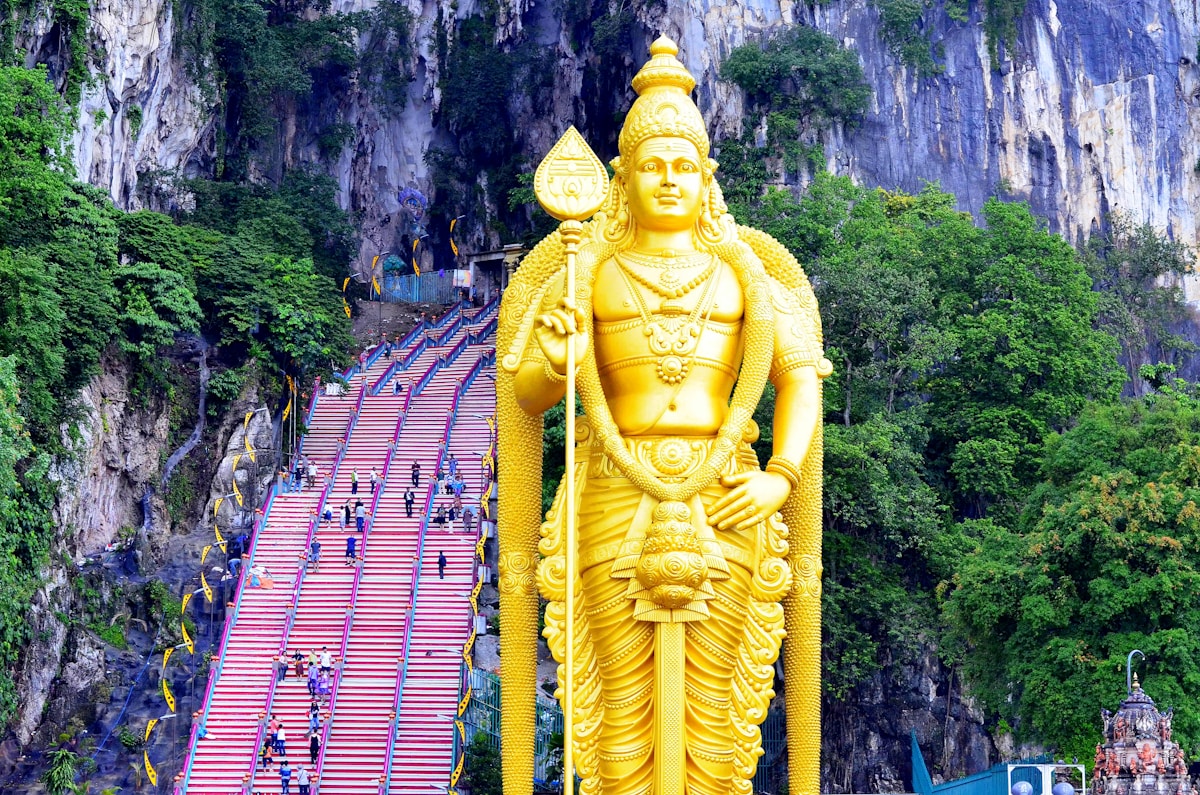
Malaysia is generally a safe country for travellers. It receives millions of foreign visitors each year without major incident, and the majority of trips are uneventful from a safety standpoint. That said, a few specific risks are worth knowing before you go.
Petty Theft in Kuala Lumpur
Kuala Lumpur’s main tourist areas - Bukit Bintang, KLCC, Petaling Street, and Chow Kit - have a moderate rate of petty theft including bag snatching. Bag snatching, in particular, is an established problem in certain parts of KL. It typically happens on foot: a motorbike pulls alongside a pedestrian and grabs a bag or phone.
The mitigation is straightforward: carry bags on the shoulder away from the road, not the kerb side. Don’t walk with your phone out in less busy areas. Keep passports and extra cash in your accommodation safe rather than on your person.
KL Sentral, KLCC (around the Petronas Towers), and the areas directly around major hotels are generally safe. The riskier stretches are quieter streets in older neighbourhoods, particularly after dark.
Georgetown in Penang has a lower petty crime rate than KL, and smaller cities like Ipoh, Malacca, and Kota Bharu are calmer still.
East Sabah: Historical Context and Current Situation
The east coast of Sabah - specifically the waters and islands between Sandakan and Tawau - has a documented history of kidnapping incidents. Between 2013 and 2016, a series of armed incursions from southern Philippines resulted in the kidnapping of tourists and workers from diving and fishing locations including Mabul Island, Pom Pom Island, and the Ligitan Islands.
The Malaysian government has since significantly increased maritime security in the area. Military patrols and police presence on the relevant islands are now ongoing. Sipadan, Mabul, and the Semporna area remain open to tourists and are visited by thousands of divers per year without incident. The UK Foreign Office, Australian DFAT, and US State Department all continue to list the east Sabah coast as an area requiring heightened awareness, with some advisories recommending avoidance of isolated offshore islands outside the main security zone.
Our practical recommendation: book through established, well-known dive operators in Semporna (Scuba Junkie, Borneo Divers, Sipadan Scuba), stay at the main accommodation on Mabul rather than isolated smaller islands, and check your government’s current travel advisory before booking. The major dive sites are operating normally, but the advice around isolated east coast Sabah islands is worth reading before you arrive.
West Sabah - including Kota Kinabalu, the interior highlands, and the west coast generally - has no equivalent security concern and is straightforward to travel in.
Road Safety
This is one of the more substantive risks in Malaysia. The road accident rate is high by regional and global standards, driven by aggressive motorcycle culture, poor adherence to road rules in some areas, and significant traffic on inter-city highways.
If you’re travelling between cities, use buses (which have improved safety records in recent years) or domestic flights rather than hiring a car. In KL, use Grab (Malaysia’s dominant ride-hailing app) rather than street taxis. Grab is metered, tracked, and significantly safer and more transparent on pricing than unregistered taxis.
If you do hire a car and drive in Malaysia, expect highway driving to be fast. Drivers on the North-South Expressway maintain high speeds. The roads are generally in good condition; the driving culture is the variable.
Religious Sensitivities
Malaysia is a Muslim-majority country. On the peninsula’s east coast states - Kelantan and Terengganu - and in many rural areas across the country, conservative Islamic norms are the default. This affects travellers in a few practical ways:
Dress modestly when visiting mosques and rural areas. Women should cover hair, shoulders, and legs when entering mosques. This applies to men too (long trousers required). Most mosques provide robes to borrow at the entrance.
Remove shoes before entering any mosque, Hindu temple, or many Chinese temples. This is universal and non-negotiable.
Kelantan and Terengganu have stricter norms than KL or Penang. In Kota Bharu, Kelantan’s capital, separate checkout queues for men and women exist in some shops, alcohol is not sold in most outlets, and dress codes are more conservative generally. It’s worth being aware of this if you’re touring the east coast.
Ramadan changes the pace in Muslim-heavy areas. Restaurants close during daylight hours in smaller east coast towns. KL operates more or less normally for non-Muslim travellers during Ramadan, but eating and drinking in public during fasting hours deserves a degree of discretion in traditional neighbourhoods.
Jellyfish
The east coast islands - including the Perhentians, Redang, and Tioman - experience jellyfish blooms, most commonly during the shoulder months at the beginning and end of the season (March–April and September–October). Box jellyfish are rare but present in Malaysian waters. Most encounters are with non-dangerous moon jellyfish or the mildly irritating Portuguese man-of-war.
Ask at your resort about current conditions. If jellyfish are present, a rash vest or short wetsuit for snorkelling is sensible.
LGBTQ+ Travel
Same-sex relationships are technically illegal in Malaysia under both federal law (which criminalises male homosexual acts) and Sharia law in Muslim states (which applies to Muslim citizens and, in some interpretations, visitors). In practice, enforcement against foreign tourists is rare, but the legal position is real.
In KL and Penang, a visible LGBTQ+ scene exists and operates discreetly in established venues. Public displays of affection between same-sex couples are inadvisable regardless of location - this applies in the same way it would to opposite-sex couples in many conservative countries.
Same-sex couples travelling together as a practical matter (sharing rooms, touring together) are not at notable risk. The concern is more about official harassment if you’re visible at demonstrations or in a context where local police have reason to pay attention.
The practical advice is: use discretion in public, avoid anything that draws official attention, and understand that the legal situation is not analogous to Western Europe or North America. Check current advisories from your home government before travelling.
General Health and Water
Tap water in Malaysia is technically treated but not reliably safe to drink in all areas. Stick to bottled water or a filtered source in accommodation. Dehydration in Malaysia’s heat and humidity is a more common traveller problem than anything water-borne.
Standard travel vaccinations apply: hepatitis A, typhoid, and tetanus are routinely recommended. Malaria prophylaxis is relevant for remote areas of Malaysian Borneo (certain jungle and rural areas) but not for Peninsular Malaysia or the major cities. Dengue fever is present throughout Malaysia - it’s mosquito-borne (not malaria-vector mosquitos, but Aedes mosquitos that bite during the day). Use insect repellent, particularly in green areas.
Compare travel insurance, Get a Malaysia eSIM, or Book airport transfers.
Summary
Malaysia is a safe destination. The petty theft risk in KL is manageable with awareness. The east Sabah coast situation has improved substantially and major dive destinations operate normally. Road risk is real - use Grab and long-distance buses where possible. Respect local religious norms, dress appropriately for mosques, and exercise the standard discretion expected in any majority-Muslim country. Most visits are entirely uneventful.
Related guides: Tourist scams and tipping in Malaysia | Health and vaccinations for Malaysia | Malaysia travel insurance
Travelling solo? Our Malaysia solo travel guide covers the safest bases, digital nomad communities, and practical advice for solo women.
Plan Your Trip
✈️ Book your flights to Malaysia 🛡️ Get travel insurance 📱 Stay connected with an eSIM 🚗 Rent a car