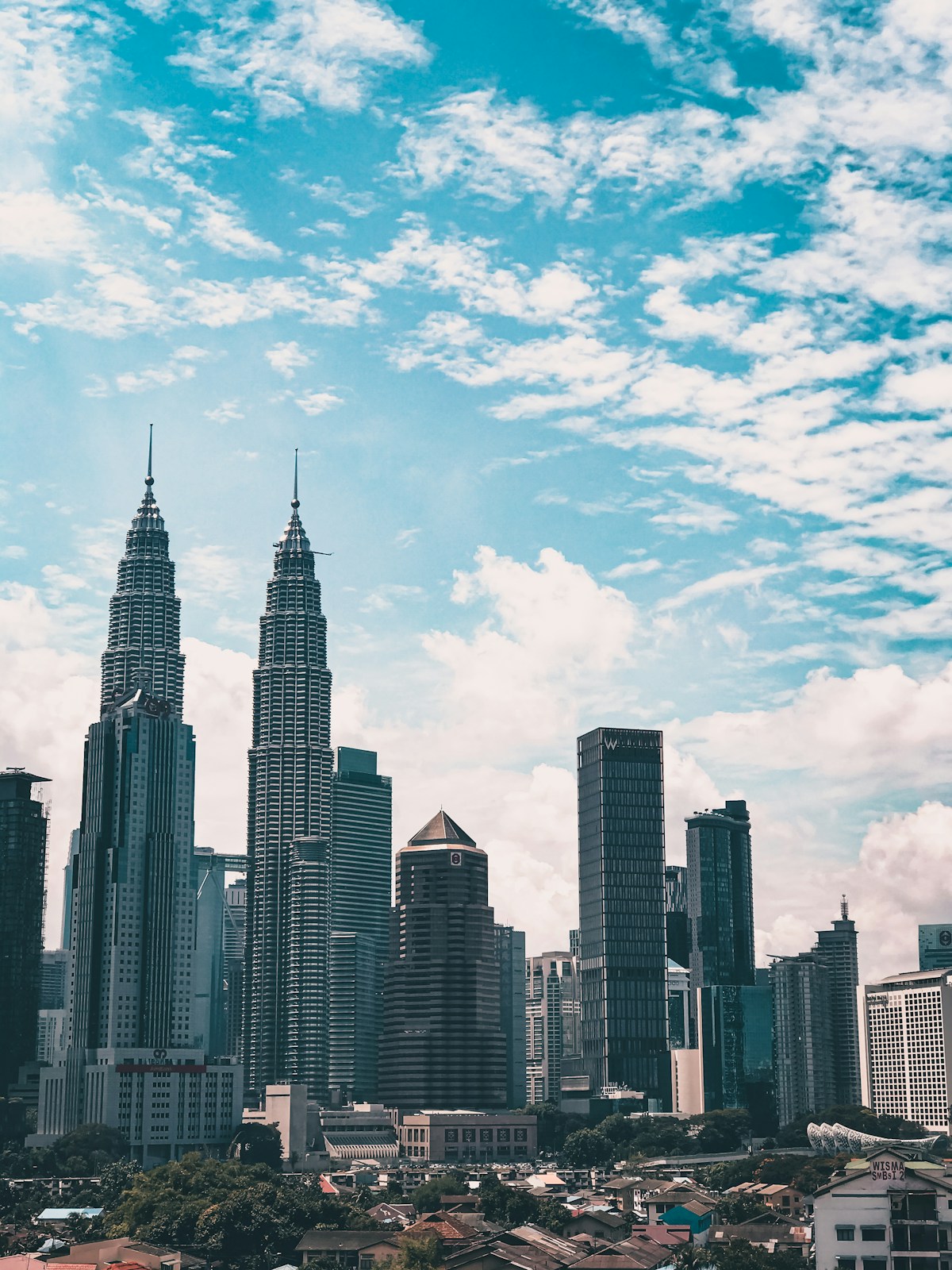
Malaysia offers urban sophistication in Kuala Lumpur, world-class diving around Sipadan, serious jungle trekking in Borneo, and tropical islands across the Coral Triangle. Each of these environments carries its own insurance considerations, and the country’s private healthcare system - though excellent - is expensive without insurance.
Before you travel:
- Travel insurance: EKTA — covers medical emergencies, trip cancellation, and travel delays.
Healthcare in Malaysia
Kuala Lumpur: Some of the best hospitals in Southeast Asia. Pantai Hospital, Prince Court Medical Centre, Sunway Medical Centre, and Gleneagles Hospital Kuala Lumpur are all internationally accredited, with English-speaking medical staff. Private hospital emergency visits cost approximately MYR 500–2,000 (approximately $110–440 USD) as of 2026 for initial consultation; specialist treatment and inpatient care considerably more.
Penang: Penang Adventist Hospital and Gleneagles Penang are well-regarded private hospitals. Good standard of care for most tourist-level emergencies.
Kota Kinabalu (Sabah): Queen Elizabeth Hospital is the main public hospital; private options include Gleneagles Kota Kinabalu. Adequate for most emergencies, with serious cases transferred to KL.
Kuching (Sarawak): Sarawak General Hospital and Borneo Medical Centre serve the region. Reasonable for emergencies in the city; very limited once you are in the interior.
Interior Borneo: If you are trekking in Danum Valley, the Maliau Basin, or Mulu National Park’s deeper caves, medical infrastructure is essentially absent. Emergency evacuation is the only option for serious injuries. Helicopter evacuation from deep jungle to Kota Kinabalu can cost $10,000–30,000 USD.
Tropical Disease Cover - Why It Matters
Malaysia is dengue-endemic. Dengue fever is transmitted by Aedes mosquitoes active during daylight hours in urban and suburban areas. It is not a remote-area risk - city visitors in Kuala Lumpur, Penang, and Johor Bahru are also exposed.
Dengue fever: Symptoms typically begin 4–10 days after a bite. Fever, severe headache, and joint pain are common. Severe dengue (haemorrhagic dengue) requires hospitalisation and can be life-threatening. Treatment costs at a private Malaysian hospital: approximately MYR 5,000–20,000 (around $1,100–4,400 USD) for a moderate case requiring 4–7 days inpatient monitoring.
Most standard travel insurance policies cover dengue as a tropical illness under standard medical cover. Confirm your policy does not have a “pre-existing tropical disease” exclusion that could be interpreted to exclude dengue.
Other tropical diseases to note: Malaria risk is low in Peninsular Malaysia (mainly certain jungle border areas) and present in rural Sabah and Sarawak. Medical cover for malaria treatment should be confirmed if venturing into rural Borneo.
Activities That Need Specific Cover
Scuba diving - Sipadan and Borneo: Malaysia hosts some of the world’s best diving. Sipadan Island (Sabah) requires a daily permit - it is a world-class site with hammerheads, sea turtles, and exceptional visibility. Mabul, Kapalai, and Layang Layang are nearby. Standard policies often exclude or restrict scuba diving. Confirm:
- Maximum covered depth
- Decompression illness (the bends) treatment cover
- Liveaboard dive trip coverage
- Hyperbaric chamber access (closest chambers to Sipadan are in Kota Kinabalu)
Mount Kinabalu: At 4,095 metres, Mount Kinabalu is the highest peak in Southeast Asia. Summit climbs require specific high-altitude trekking cover. Most standard policies exclude trekking above 3,000–4,000 metres without an upgrade. Climbers must use licensed guides - a reputable guide reduces but does not eliminate risk.
White-water rafting - Padas River: Class III–IV rapids near Kota Marudu and on the Padas River. Rafting is a specific activity exclusion on many policies - confirm cover explicitly.
Jungle trekking: Danum Valley, Maliau Basin, Taman Negara, and Sarawak’s interior all involve remote terrain, potential wildlife encounters, and limited evacuation access. Cover should include search-and-rescue and remote evacuation.
Watersports - Islands: Perhentian Islands, Redang Island, Tioman Island, and the Langkawi archipelago all have active watersports (parasailing, jet skiing, banana boat). These are standard activity inclusions on most policies but confirm before booking.
Motorbiking: Malaysia has high accident rates on roads, and renting motorbikes in Langkawi and Tioman is common. Confirm your policy covers motorised two-wheelers - many budget policies exclude them.
What to Cover
Medical emergencies: Aim for minimum $500,000; $1 million is preferable given the cost of potential evacuation from Borneo and repatriation to Western countries.
Medical evacuation: From interior Borneo to Kota Kinabalu or Kuching, or from any remote island - helicopter evacuation cover is essential. From Sipadan (an island off the northeast Sabah coast), emergency evacuation to Tawau and then Kota Kinabalu involves multiple transfers.
Dive accident cover: For serious divers, ensure decompression illness treatment is explicitly covered. Hyperbaric chambers in Malaysia are primarily in Kuala Lumpur and Kota Kinabalu.
Trip disruption: Malaysian weather - particularly the northeast monsoon (November–March) affecting the Perhentian Islands and east coast Peninsular Malaysia, and the southwest monsoon affecting Sabah and Sarawak - can cause flight cancellations and boat service suspensions. Cover for trip disruption is worth having if islands are on your itinerary.
Comparing Insurance Providers for Malaysia
EKTA A practical option for European visitors. Covers Malaysia with clear medical limits and claims process. Activity upgrades available for diving and trekking. Approximate cost for 14 days in Malaysia: €20–38 as of 2026.
Get a quote: EKTA.
World Nomads Popular for adventure-focused Malaysia trips, particularly Borneo activities. Explorer tier covers scuba diving, jungle trekking, white-water rafting, and Mount Kinabalu climbs. High medical limits ($10 million). Approximate cost for 14 days: $35–55 USD as of 2026.
Allianz Travel Strong cancellation and disruption cover. Standard plans may restrict diving and high-altitude trekking - check the activity list carefully for Borneo-specific activities. Approximate cost: $30–50 USD as of 2026.
DAN (Divers Alert Network) For serious divers at Sipadan and Mabul, DAN dive accident insurance as a supplement to standard travel insurance is the most comprehensive approach. DAN membership from approximately $35–70 USD per year as of 2026.
Tips for Claims in Malaysia
- Police report for theft: Required at the nearest police station (balai polis) within 24 hours - get a certified copy
- Keep all medical invoices: Malaysian private hospitals issue detailed itemised bills - keep everything
- Report dive accidents immediately: If experiencing any post-dive symptoms (joint pain, skin mottling, breathing difficulty), go to the nearest hyperbaric chamber and notify your insurer immediately
- Document trip disruptions: Screenshot weather advisories, cancelled ferry services, airline notifications - all required for disruption claims
For US and Australian Visitors
Malaysia has no reciprocal healthcare agreement with the US or Australia. Medical costs are fully payable by uninsured visitors. US visitors should ensure $1 million+ medical cover given repatriation costs. Australian visitors: Cover-More and NIB Travel Insurance are popular choices for Southeast Asia trips, both with clear activity inclusion lists.
Buy travel insurance for your Malaysia trip: EKTA.
Plan Your Trip
✈️ Book your flights to Malaysia 🛡️ Get travel insurance 📱 Stay connected with an eSIM 🚗 Rent a car