Malaysia’s health infrastructure is strong by Southeast Asian standards, with excellent private hospitals in Kuala Lumpur and Penang and widely available pharmacies nationwide. That said, a few health risks are worth preparing for, particularly dengue fever and - for Borneo travel - malaria. Getting your vaccinations right before departure is the single most impactful step.
Recommended Vaccinations
Consult a travel health clinic or GP 6–8 weeks before travel to allow time for multi-dose vaccines and for immunity to develop.
Routine Vaccines to Check
Make sure these are current before any international travel:
- MMR (measles, mumps, rubella) - two doses, check your records
- Diphtheria-Tetanus-Pertussis - booster if more than 10 years since your last
- Flu - annual influenza vaccine, particularly relevant if travelling in school holiday seasons
- COVID-19 - per your national health authority’s current guidance
Vaccines Recommended for Malaysia
Hepatitis A - Strongly recommended for all travellers. HAV spreads through contaminated food and water. Even staying in high-end hotels doesn’t eliminate risk given street food consumption. Two-dose schedule gives long-term protection.
Typhoid - Recommended, particularly if eating at street stalls, hawker centres, or local restaurants. Oral or injectable options available; consult your travel clinic.
Hepatitis B - Recommended if you might receive medical treatment, have tattoos or piercings done, or have any exposure risk. Three-dose schedule - start early.
Japanese Encephalitis - Generally low risk for urban travellers. Discuss with your doctor if you’re spending extended time in rural areas, particularly rice-farming regions or near pig farms.
Rabies - Not routinely recommended, but worth discussing if you plan extended adventure travel, work with animals, or visit remote areas where medical access would be delayed (e.g., interior Sarawak).
Yellow Fever - Not a risk in Malaysia, but a Yellow Fever vaccination certificate is required if you’re arriving from a yellow fever-endemic country. Check the list for your departure country.
Malaria - Know the Risk by Region
Peninsular Malaysia (including KL, Penang, Malacca, Langkawi, east coast islands)
Malaria risk is negligible. No prophylaxis is needed for standard tourist travel to cities, coastal resorts, and islands like the Perhentians or Tioman.
Malaysian Borneo (Sabah and Sarawak)
Risk exists in rural interior areas. Travellers staying in Kota Kinabalu city, Kuching city, or established resorts face minimal risk. However, if you are:
- Trekking in interior Sarawak (e.g., visiting Penan communities or remote longhouses)
- Spending nights in jungle lodges around the Kinabatangan River without solid screened accommodation
- Working or volunteering in rural agricultural areas
…then you should discuss malaria prophylaxis with a travel health professional. Plasmodium knowlesi, a primate malaria species, is present in Borneo’s forests and has caused human cases. It is not the standard P. falciparum or P. vivax that most prophylaxis guidance is calibrated for, so specialist advice matters here.
For most visitors doing wildlife lodges like Sukau Rainforest Lodge or Bilit Rainforest Lodge, risk is low but not zero - discuss with your doctor.
Dengue Fever
Dengue is the most significant health risk for travellers to Malaysia. It is a viral illness spread by the Aedes aegypti mosquito, which bites primarily at dawn and dusk (not at night like malaria mosquitoes).
Symptoms appear 4–10 days after a bite: sudden high fever, severe headache, pain behind the eyes, muscle and joint pain, and rash. Most cases resolve in 7–10 days. A small proportion develop severe dengue, which requires hospital care.
How to Reduce Your Risk
- Apply insect repellent containing DEET (20–50%) or Picaridin to exposed skin when outdoors, particularly at dawn and dusk. Reapply every 3–4 hours.
- Wear loose, light-coloured, long-sleeved clothing in the early morning and late afternoon
- Use air conditioning where available - Aedes mosquitoes are less active in cool rooms
- Stay in accommodation with window screens or air conditioning
- The Dengvaxia vaccine exists but is only licensed for people with a previous confirmed dengue infection - it is not suitable as pre-travel prophylaxis for first-time travellers
If you develop fever during or after your trip, see a doctor promptly. Tell them you’ve been in Malaysia - dengue is diagnosed by blood test and treated with rest and fluids.
Tap Water Safety
Tap water in Malaysia is treated to meet national standards, but we recommend drinking bottled or filtered water throughout your trip. Ageing pipe infrastructure in older buildings can introduce contamination between the treatment plant and your tap.
- Bottled water is cheap and widely available - 600ml bottles cost approximately MYR 1–2.50 as of 2026 at convenience stores
- Most restaurants serve filtered or boiled water with meals
- Ice in reputable restaurants and hotels is made from filtered water; ice at street stalls is generally safe but less certain
- Carry a reusable bottle and refill at hotel filtered water dispensers to reduce plastic use
For brushing teeth, tap water in cities is generally fine. If you’re particularly cautious or have a sensitive stomach, use bottled water.
Heat-Related Illness
Malaysia is equatorial - temperatures sit between 27°C and 35°C year-round, with high humidity. Heat illness can affect visitors who underestimate the conditions.
Heat exhaustion (heavy sweating, weakness, cool/pale skin, nausea) and heat stroke (hot/dry skin, confusion, rapid pulse) are the main concerns.
Prevention:
- Stay hydrated - drink water or isotonic drinks before you feel thirsty
- Avoid peak-heat outdoor activity between 11am and 3pm
- Wear light, breathable clothing and a hat
- Acclimatise for the first 2–3 days of your trip, especially if coming from a cool climate
- Know where the nearest air-conditioned space is during walking tours
If someone shows signs of heat stroke (confusion, stopping sweating in extreme heat), cool them down immediately and seek emergency care.
Medical Facilities in Malaysia
Private Hospitals (Recommended for Travellers)
Malaysia’s private hospital sector is among the best in Southeast Asia, and medical tourism is a significant industry. Staff at major private hospitals in KL and Penang speak English.
Kuala Lumpur:
- Gleneagles Kuala Lumpur - Ampang; one of the most established international hospitals in KL, emergency department available 24/7
- Prince Court Medical Centre - KL City Centre (near KLCC); frequently rated among Asia’s top hospitals, comprehensive specialist care
- Sunway Medical Centre - Petaling Jaya suburb; large general hospital, good emergency and surgical facilities
Penang:
- Gleneagles Penang - well-equipped private hospital with full specialist departments
- Penang Adventist Hospital - English-speaking staff, strong reputation for international patients
Private hospital consultation fees start at approximately MYR 80–200 for a GP as of 2026; specialist appointments range from MYR 150–500+. Emergency care and tests add to the total. Travel insurance with medical coverage is essential.
Public Hospitals
Public hospitals (government hospitals) are subsidised and accessible, but wait times are long and facilities are more basic than private options. For non-emergency care, use a private clinic.
Clinics
Neighbourhood private clinics (klinik swasta) are everywhere and are the right first stop for minor issues - a GP consultation costs approximately MYR 30–80 as of 2026.
Pharmacies - Guardian and Watsons
Two chains cover virtually the entire country:
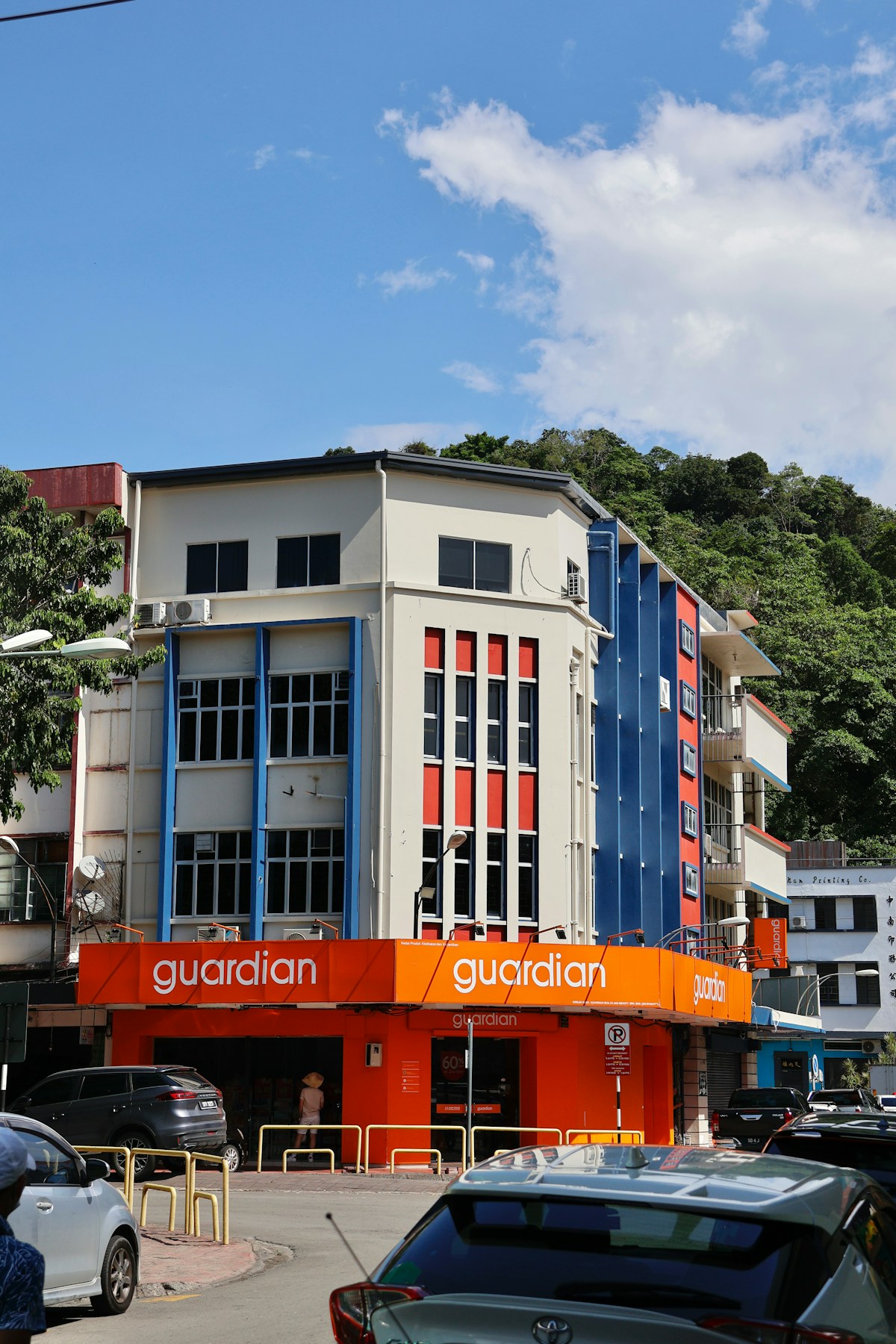
Guardian (orange branding) - the most common, found in every major shopping mall and many standalone locations. Stocks full OTC ranges including paracetamol, antihistamines, antidiarrhoeals, rehydration salts, sunscreen (SPF 50+ widely available), and insect repellents including DEET-based options.
Watsons - similarly widespread; similar product range. Sometimes slightly cheaper on certain personal care items.
Both chains have pharmacists on duty who can advise on minor ailments and recommend products.
Hours are typically 10am–10pm in mall locations. Standalone branches may close earlier.
Compare travel insurance, Get a Malaysia eSIM, or Book airport transfers.
Travel Insurance
Do not skip travel insurance for Malaysia. We recommend a policy that covers:
- Medical treatment and hospitalisation - private hospital costs can reach MYR 3,000–10,000+ per night in serious cases
- Medical evacuation - particularly important if you’re travelling to remote Borneo or doing adventure activities (diving, trekking)
- Trip cancellation and delay - the monsoon season can affect island ferry services and domestic flights
- Valuables cover - for electronics and camera equipment
Check the fine print for adventure activity exclusions. Many base policies exclude diving, mountain climbing (relevant for Mount Kinabalu), and trekking above a certain altitude.
For further trip planning, see our guide to getting around Malaysia and the best time to visit for seasonal health considerations. We also recommend reading the Malaysia travel insurance guide - medical evacuation cover is particularly important for remote Borneo trips and adventure activities.
Plan Your Trip
✈️ Book your flights to Malaysia 🛡️ Get travel insurance 📱 Stay connected with an eSIM 🚗 Rent a car