Malaysia is an underrated choice for solo travel. It is multicultural, English is spoken virtually everywhere, the food scene rewards curiosity, and the public transport network across the peninsula makes city-hopping straightforward. Prices are low even by regional standards, and the country has a long track record of welcoming independent travellers without significant friction.
Is Malaysia Good for Solo Travel?
The short answer is yes, and more emphatically than many travellers expect. The combination of good English proficiency, a functioning train and bus network, and a well-developed hostel and budget hotel sector makes logistics manageable for a first-time solo traveller or an experienced one looking for an easy re-entry after a long-haul flight.
Penang in particular stands out as one of the best solo bases in Southeast Asia. Georgetown has a dense, walkable core, a strong digital nomad community, excellent food at every price point, and enough cultural depth to justify a stay of a week or more. It is also compact enough that you will run into the same people repeatedly - that matters for solo travellers who want social momentum without actively seeking it.
Kuala Lumpur is bigger and more anonymous, but offers more in terms of connectivity, activity options, and nightlife. Kota Kinabalu in Sabah is the gateway to Borneo wildlife and dive trips - smaller, more relaxed, and with a strong adventure-travel crowd.
Safety for Solo Travellers
Malaysia is a safe country to travel alone. The main caution in Kuala Lumpur is petty theft - specifically bag snatching in the older parts of the city and tourist-heavy areas including Bukit Bintang and Petaling Street. The mitigation is practical: carry bags on the shoulder away from the road, avoid walking with a phone out on quiet streets, and use Grab rather than walking in unfamiliar areas after dark.
Borneo - Sabah and Sarawak - is safe. It has a more relaxed pace than KL and a smaller tourist crowd, which tends to make social interactions easier. The exception to note in Sabah is the far eastern coast near Semporna and the waters around Tawau, where there is a historical security advisory relating to incidents from southern Philippines. Major dive operators at Sipadan and Semporna operate normally and safely; check your government’s current travel advisory before booking offshore islands in that zone.
Solo Female Travel in Malaysia
Malaysia is generally manageable for women travelling alone. The cities - KL, Penang, Kota Kinabalu - are comfortable. The Grab app is genuinely important here: using a tracked, app-booked ride is significantly safer than flagging a street taxi, particularly at night.
Dress modestly outside of beach areas. In practice this means covering shoulders and knees in markets, near mosques, and in more conservative states like Kelantan and Terengganu on the east coast. In KL and Penang, dress code expectations in tourist areas are relaxed, though it is worth reading the context before visiting more conservative towns.
Harassment of foreign women is rare by Southeast Asian standards. Most solo female travellers report a positive experience, with the usual caveat that awareness and basic precautions apply as they would anywhere.
How to Meet People in Malaysia
Solo travel in Malaysia is genuinely social if you know where to look.
- Penang digital nomad community - George Town has a well-established coworking scene with regular social events. The community is easy to find via local coworking spaces and expat Facebook groups.
- “Expats in KL” and “Expats in Penang” Facebook groups - both are active and regularly post meetups, hiking trips, and casual social events that are open to short-term visitors, not just residents.
- InterNations Kuala Lumpur - holds regular networking events open to all nationalities. Good for meeting professionals and long-term expats rather than backpackers.
- Cameron Highlands and Gunung Kinabalu hiking groups - trekking the Gunung Kinabalu summit in Sabah almost always becomes a group experience; operators assign solo hikers to shared groups. The Cameron Highlands trail network attracts a more casual crowd of day-trippers.
- Borneo diving liveaboards - Sipadan dive slots are heavily restricted and usually sold through operators in Semporna (Scuba Junkie, Borneo Divers, Sipadan Scuba). Shared liveaboards and day boats naturally create small-group social environments - diving is one of the easiest ways to meet people in Sabah.
- KL hostel and backpacker areas - Chinatown (Petaling Street area) and Bukit Bintang both have hostel clusters with bar areas. This is the most straightforward social environment for younger budget travellers.
- Couchsurfing meetups in KL and Penang - both cities have active Couchsurfing communities that hold regular meetups open to anyone, not just Couchsurfers.
Best Bases for Solo Travellers
Penang (George Town) is the standout pick. Walkable, culturally rich, cheap to eat well, with a large nomad and backpacker community. Public transport within the city is basic, but most of what you need in George Town is reachable on foot or by Grab. A week here is rarely wasted.
Kuala Lumpur is the natural entry and exit point. Spend three or four nights: see Batu Caves, eat your way through KL’s hawker markets, use the MRT to move between areas. The KLCC area and Bukit Bintang are well-connected and safe. KL is large enough that you may not cross paths with many other solo travellers unless you seek them out in hostel common areas.
Kota Kinabalu (Sabah) is the right base for anyone adding Borneo to their trip. The city itself is small and approachable. Day trips to the Kinabatangan River for wildlife, Gunung Kinabalu for trekking, and Semporna for diving all originate from here or nearby. The tempo is slower than KL, which suits solo travellers who want to plan day by day rather than on a fixed schedule.
Group Tours Worth Taking
Some of Malaysia’s best experiences work better as part of a guided group - either because logistics are complex or because access requires a licensed operator.
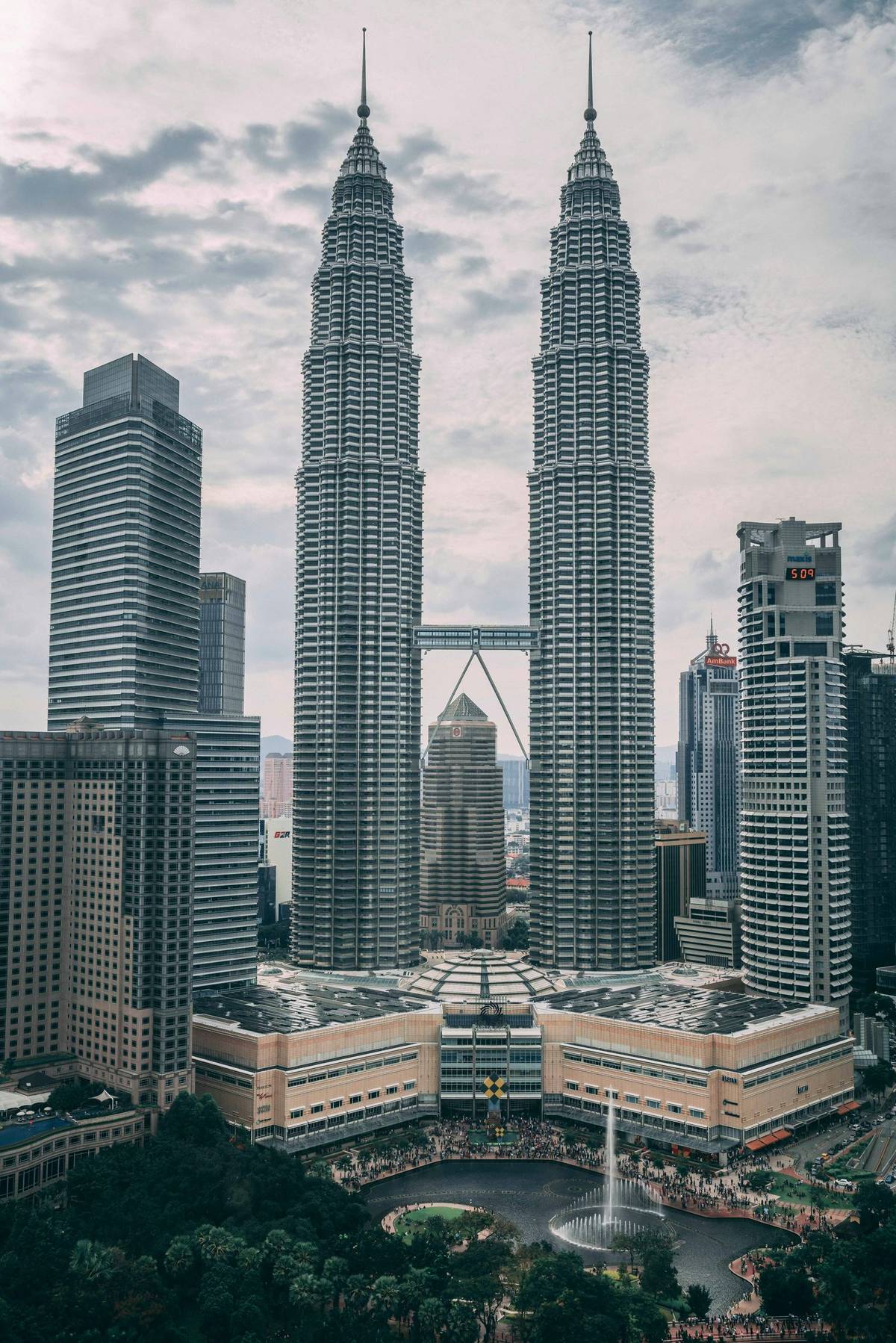
Orangutan sanctuary tours from Sandakan (Sepilok Rehabilitation Centre) and wildlife river cruises along the Kinabatangan River in Sabah are most efficiently done through a tour. Sipadan diving requires a tour operator by law - individual bookings are not possible. Petronas Towers sky bridge tickets can be booked independently but sell out fast; joining a KL city tour handles logistics and pairs well with the KLCC Park and Aquaria. For Borneo specifically, Sabah wildlife and dive tours bundle transport and permits that would be difficult to arrange individually as a solo traveller.
Practical Solo Tips
Budget: Mid-range solo travel in Malaysia runs approximately RM200–300 per day (around $45–70 USD as of 2026) - a private room in a guesthouse, hawker meals twice a day, and a Grab ride or two. Budget dormitory travel cuts this to RM100–150. Borneo is more expensive: Sipadan dive packages run from approximately RM900–1,400 for a day trip including permits and gear.
Transport: Download the Grab app before you arrive - it is the standard for getting around cities and is far more transparent on pricing than unregistered taxis. On the peninsula, the KTM Intercity train connects KL to Ipoh, Penang, and the Thai border. ETS trains are comfortable and bookable online. Long-distance buses are reliable and cheap; Plusliner and Transnasional are established operators.
Visa: Most Western nationalities (UK, EU, US, Australia, Canada) enter Malaysia visa-free for 90 days. Check the current requirements with your government’s travel advisory before booking - policies can change.
Connectivity: A local SIM card from Celcom, Maxis, or Digi is available at the airport and costs approximately RM30–50 for a tourist data package as of 2026. Coverage across peninsular Malaysia is good; remote Borneo areas have gaps.
Compare travel insurance, Get a Malaysia eSIM, or Book airport transfers.
Best Time to Go Solo
West coast Peninsular Malaysia (including KL, Penang, Langkawi, Ipoh, and Malacca): March through October offers the most reliable weather. The southwest monsoon from May to September brings some rain but rarely disrupts travel significantly. November and December see heavier rainfall on the west coast.
East coast islands (Perhentian, Redang, Tioman): May to September is the dry season; the islands are closed or very limited from November to March due to the northeast monsoon.
Sabah and Sarawak (Borneo): May through September is the best window for Sipadan diving and Gunung Kinabalu climbing. The east coast of Sabah gets year-round rain but is diveable most of the year outside heavy squall season. Check current conditions with your dive operator before booking.
If you are planning a full circuit - peninsula plus Borneo - April to June gives the best chance of good conditions across all regions.
Related guides: Malaysia vs Thailand | Malaysia with kids | Malaysia travel insurance
Plan Your Trip
✈️ Book your flights to Malaysia 🛡️ Get travel insurance 📱 Stay connected with an eSIM 🚗 Rent a car 🏨 Search hotels in Malaysia on Booking.com