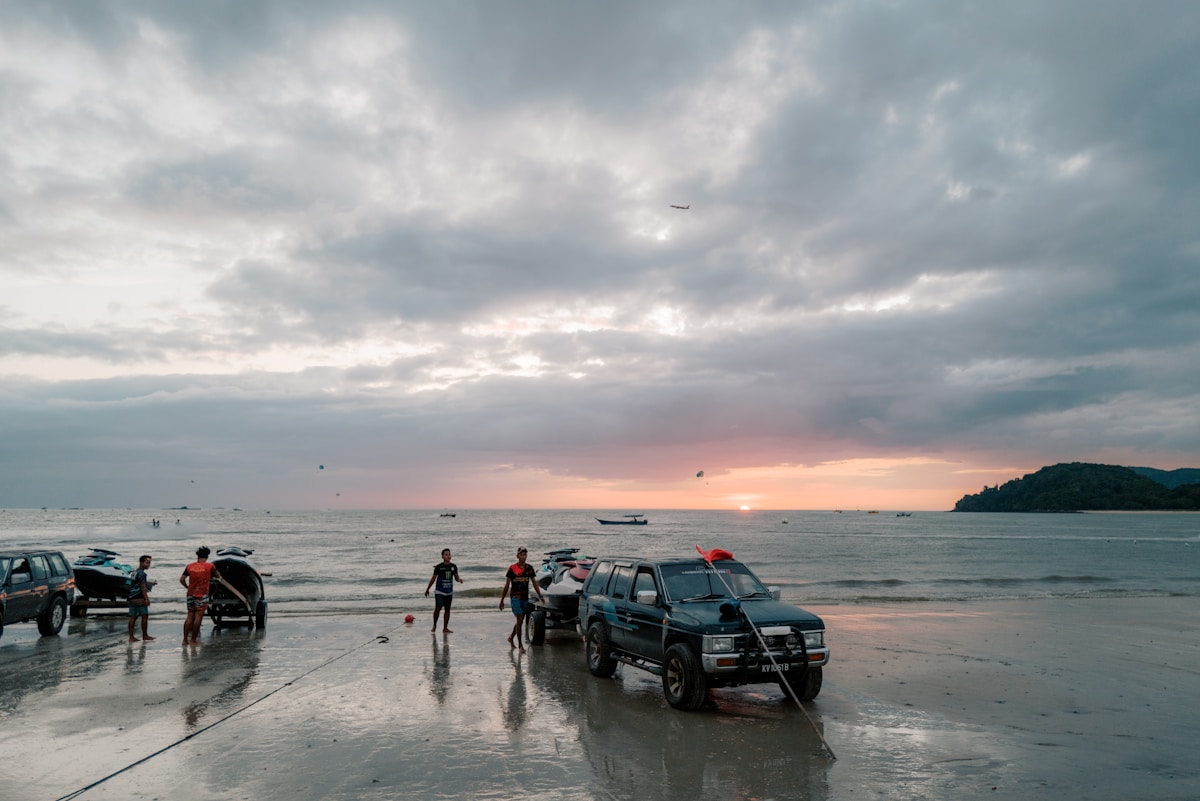
Malaysia is one of Southeast Asia’s most practical choices for a family holiday. English is spoken widely in hotels, restaurants, and tourist areas. The food is affordable and varied enough to satisfy even cautious young eaters. Public safety is good across the major destinations. And the mix of cities, beaches, hill stations, wildlife sanctuaries, and theme parks means there is something at every age and interest level - from a three-year-old at Legoland to a teenage wildlife enthusiast at Sepilok.
Costs are low compared with most Western destinations: a mid-range family of four can travel comfortably for MYR 600–900 per day (approximately USD 130–195) including accommodation, meals, and activities.
Why Malaysia Works for Families
A few things make Malaysia stand out compared with neighbouring Thailand or Indonesia for family travel.
English proficiency is genuinely high. Hotel staff, tour operators, and attraction staff in KL, Penang, Langkawi, and Johor Bahru communicate easily in English - navigating menus, asking for high chairs, or explaining medication needs rarely requires a translator.
Halal food is ubiquitous. Malaysia is a Muslim-majority country where halal certification is the norm rather than the exception. This removes the uncertainty that can come with pork-heavy or shellfish-heavy cuisines for families with dietary restrictions. See our guide to halal food travel in Malaysia for a full breakdown.
Grab makes ground transport frictionless. The Grab app works in every city and major tourist hub. No haggling, no language barriers - just book, track, and pay in-app. For families with tired children and luggage, this is meaningful.
Accommodation is genuinely family-oriented. Interconnecting rooms, family suites, and serviced apartments with kitchens are widely available across all price tiers. Beach resorts in Langkawi and Penang routinely offer children’s clubs, paddling pools, and babysitting services.
Best Family Destinations in Malaysia
Kuala Lumpur
KL makes a strong opening act for a family trip. The city is easy to navigate, well-connected by MRT, and packed with high-impact experiences that children remember.
Aquaria KLCC (inside the KL Convention Centre, beneath the Petronas Towers) is one of the best aquariums in Southeast Asia. Entry as of 2026: approximately RM85 for adults and RM65 for children aged 3–12. Highlights include a moving walkway through a glass shark tunnel and an excellent touch pool section for younger children.
KL Bird Park in Lake Gardens is the world’s largest walk-in aviary - over 3,000 birds in a landscaped tropical setting. Entry approximately RM67 for adults and RM43 for children. Feeding sessions run at scheduled times; check the noticeboard at the entrance.
Petronas Twin Towers - the Skybridge (level 41–42) and observation deck (level 86) are a must for older children who appreciate heights and views. Tickets are approximately RM100 for adults and RM40 for children (under 12). Book online in advance - walk-up availability is limited, particularly on weekends.
Batu Caves (30 minutes north of KL by MRT to Batu Caves station) are best suited to children aged 8 and above who can manage the 272 steep steps to the main cave temple. The golden Lord Murugan statue is genuinely dramatic and worth the effort. Entry is free; guided tours are approximately RM40 per person.
For accommodation in KL, serviced apartments in the KLCC or Bukit Bintang areas give families kitchen facilities that make managing meal times with young children significantly easier. Options like Lanson Place and Fraser Suites start from approximately RM350–500 per night for a one-bedroom unit as of 2026.
Langkawi
Langkawi is the right choice for families prioritising beaches and outdoor activities over city sightseeing. The island is vehicle-dependent (rent a car or use Grab), laid-back in pace, and free of the crowd density that can make Bali or Phuket exhausting with children.
Pantai Cenang is the main beach area - calm, sandy, and lined with restaurants and small resorts at every price point. The sea is swimmable year-round on the west coast of the island (the southwest monsoon brings some chop May–September, but swimming remains possible). Water sports operators (jet ski, banana boat, parasailing) on Cenang offer family options; be selective on safety standards and always check life jacket provision.
Langkawi Sky Cab and Sky Bridge - the cable car to Gunung Mat Cincang (700m above sea level) is a family highlight. Return cable car approximately RM55 for adults and RM40 for children aged 2–12 as of 2026. The Sky Bridge at the top adds approximately RM10 per person. It is busy on weekends - visit on a weekday morning for shorter queues.
Kilim Karst Geoforest Park - mangrove boat tours depart from Kilim jetty and typically include eagle feeding, bat caves, and fish farms. Tours run approximately 3 hours and cost RM100–150 per adult and RM80–120 per child through established operators at the jetty. Children aged 5 and above tend to engage well; the eagle feeding is a genuine spectacle.
Underwater World Langkawi in Pantai Cenang is a smaller alternative to Aquaria KLCC, with a glass walkway tunnel and penguin enclosure that younger children enjoy. Entry approximately RM58 for adults and RM44 for children as of 2026.
Resorts on Langkawi typically offer dedicated children’s pools and kids’ clubs. The Four Seasons Langkawi (from RM2,500/night) is at the top end; the Casa del Mar (from RM650/night) and Bon Ton Resort (from RM500/night) offer strong mid-range family options.
Penang
Penang’s George Town rewards curious children with street art, food exploration, and hands-on culture - it is better suited to families with older children (8+) who can handle walking-heavy days.
Entopia by Penang Butterfly Farm in Teluk Bahang has been extensively upgraded and now includes a nocturnal insect exhibit alongside the classic butterfly enclosure. Entry approximately RM69 for adults and RM52 for children aged 4–12 as of 2026. Allow 2–3 hours; children typically respond well to the interactive feeding stations.
Escape Adventureplay (also in Teluk Bahang, near Entopia) is an outdoor adventure theme park with rope courses, slides, ziplines, and a water park section. Entry approximately RM99 per person (one rate for adults and children); children under 90cm enter free. This is one of the best activity options in Malaysia for families with energetic older children.
Georgetown street art walks - the famous iron rod murals and large-scale painted wall art are scattered through Chinatown and the Armenian Street area. It requires only walking and is free. Carry a printed map (available from the tourist information office on Lebuh Pantai) and build it into a 2-hour morning walk that finishes at a hawker centre for breakfast.
Penang Hill (Bukit Bendera) - the funicular railway to the top runs approximately every 15–30 minutes. Return ticket approximately RM30 for adults and RM15 for children. The summit offers a cooler temperature (+5–6°C) and views across the Strait of Malacca. The Skywalk attraction at the top costs an additional RM20 per person.
Johor Bahru: Theme Park Central
Johor Bahru is primarily on the family itinerary for one reason: Legoland Malaysia, and it delivers.
Legoland Malaysia Resort in Medini is the first Legoland in Asia outside Japan. The park combines a Lego-themed ride and show park with a separate Water Park and the Legoland Hotel. Entry as of 2026 is approximately RM145 per child and RM165 per adult for the park; combo tickets with the Water Park run higher. Book online (legoland.com.my) for discounts of up to 25% versus gate price. The park is best suited to ages 3–12; older children may find it short.
Angry Birds Activity Park at KSL City Mall is an indoor soft play and entertainment venue themed around the Angry Birds franchise - useful for younger children and for a half-day on an unplanned rain day. Entry approximately RM30–50 depending on activity selection as of 2026.
JB is also the logical starting point for families arriving via Singapore (45 minutes by taxi or Grab across the Johor–Singapore Causeway), making it convenient to combine Malaysia and Singapore in a single family trip.
Cameron Highlands
For families who want relief from the coastal heat, Cameron Highlands - a plateau at 1,500m - offers a noticeably cooler climate (18–25°C year-round) and a very different set of activities.
BOH Tea Plantation (Sungai Palas estate) is the most accessible of the working tea estates. The visitor centre and café above the plantation serve excellent tea; entry to the viewing deck is free. The walk through the tea rows is manageable for children aged 4 and above. From Brinchang, it is approximately 30 minutes by car.
Strawberry farms along the main road through Tanah Rata and Brinchang let children pick strawberries directly. Prices for picked strawberries are approximately RM15–25 per 250g as of 2026. Quality varies by farm; Raaju’s Hill Strawberry Farm and Big Red Strawberry Farm are established options.
Mossy Forest on Gunung Brinchang - accessible by a short boardwalk trail from the summit road - is genuinely atmospheric and interests older children who have already done basic jungle walks. The mossy trunks and mist make it feel like a film set.
Borneo with Kids
Borneo adds significant wildlife credentials to a Malaysia family trip and works best for families with children aged 7 and above who have some patience for early morning departures and boat transfers.
Kota Kinabalu (Sabah)
Tunku Abdul Rahman Marine Park - a cluster of five islands 15–20 minutes by boat from KK Jetty - offers the best snorkelling and beach access near Kota Kinabalu. Boats depart from the Jesselton Point Ferry Terminal; return transfers cost approximately RM30–40 per person as of 2026. Snorkelling gear can be rented on the islands. Pulau Sapi and Pulau Manukan have the most consistent marine life for snorkelling.
Mari Mari Cultural Village (approximately 40 minutes from KK) offers guided tours through reconstructed longhouses representing five Sabahan indigenous communities, with demonstrations of blowpipe shooting, fire-making, and traditional food preparation. Entry approximately RM130 per adult and RM100 per child for the standard tour. Children aged 6 and above tend to engage well with the blowpipe and fire-starting activities.
Sandakan and Sepilok
Sepilok Orangutan Rehabilitation Centre is the single most impressive wildlife experience in Malaysia for children. Semi-wild orangutans come to feeding platforms twice daily (10:00 and 15:00) at close range - sometimes within a few metres. Entry approximately RM30 for adults; children under 18 enter free as of 2026. Arrive 20 minutes before feeding time for a good position.
The adjacent Bornean Sun Bear Conservation Centre adds sun bears - the world’s smallest bear species - to the visit. Entry approximately RM30 for adults, free for children under 18. The two centres together form a natural half-day pairing from Sandakan town (approximately 20 minutes by taxi).
Getting Around Malaysia with Kids
Domestic flights are the practical choice for covering long distances - KL to Kota Kinabalu is 2.5 hours versus 18+ hours overland. AirAsia and Malaysia Airlines both serve major routes. AirAsia does not provide car seats on board; if you need one for a car transfer at the destination, rent directly from a car rental company. AirAsia allows car seats to be checked as sports equipment at no extra charge.
Grab is the de facto family transport for cities and town transfers. Works across KL, Penang, JB, KK, and all major tourist hubs. Book GrabCar (sedan) or GrabFamily (MPV, available in KL) for more luggage or passenger space.
ETS and KTM trains connect KL with Ipoh, Penang, and the Thailand border. ETS Gold services are fast and comfortable; a family of four in economy class from KL to Penang (approximately 3 hours) costs approximately RM150–200 return as of 2026. See our ETS trains guide for booking and timetable details.
Car rental makes sense in Langkawi (where Grab is limited and public transport is minimal) and in Cameron Highlands. Book car hire in Malaysia - major international rental companies (Avis, Hertz, Mayflower) operate at KLIA and Langkawi Airport. Confirm child seat availability when booking - not all companies stock infant carriers. See our car rental guide for Malaysia.
Strollers are manageable in malls and modern attractions but challenging on Penang’s heritage streets (uneven paving, kerb drops) and any jungle or nature trail. A carrier or hip seat is more practical for toddlers in those environments.
Food with Kids in Malaysia
Hawker centres are noisy, fast, and cheap - and they suit family travel well despite some quirks.
High chairs are rare at hawker stalls; most open-air centres have plastic or metal chairs without arms. Bring a portable travel high chair or clip-on seat for infants.
Mild options are plentiful. Roti canai (flaky flatbread with lentil dahl) is almost universally accepted by children. Hainanese chicken rice (poached chicken, rice cooked in stock) is soft, mild, and available everywhere. Nasi lemak without the sambal is a practical order for picky eaters. Chinese-style fried noodles (mee goreng mamak without chilli) and plain rice with egg (nasi goreng telur) are reliable fallbacks.
Spice management: Most dishes in hawker centres can be ordered ‘less spicy’ or ‘no sambal’ - just ask. Kitchen staff at restaurants catering to tourists understand the request easily.
Supermarkets and convenience stores (7-Eleven, MyNews, Giant, Jaya Grocer) are ubiquitous and well-stocked with familiar snacks, yoghurt, UHT milk, fruit pouches, and baby food. Major shopping malls in KL (Pavilion, Mid Valley) have international grocery sections.
Health and Safety
Tap water: Not safe to drink anywhere in Malaysia. Use bottled water consistently - for drinking, brushing children’s teeth, and preparing baby formula.
Mosquitoes: Dengue fever is present year-round in urban and suburban areas of Malaysia. Use DEET-based repellent (at least 20% DEET for children over 2 months) morning and evening. Long sleeves and trousers at dawn and dusk significantly reduce exposure. Mosquito nets are provided in most jungle lodges and Borneo ecolodges.
Sun: Equatorial UV is strong year-round. Apply SPF 50 sunscreen before any outdoor activity, reapply after swimming, and schedule intensive outdoor activities in the morning (before 11:00) or late afternoon (after 16:00).
Medical care: International-standard hospitals are available in Kuala Lumpur (Pantai Hospital Bangsar, Gleneagles KL, Prince Court Medical Centre) and Penang (Gleneagles Penang, Penang Adventist Hospital). Outside of those two cities, medical facilities become progressively more limited - this is particularly relevant in remote Borneo. Carry a basic first aid kit and any required prescription medications from home. See our health and vaccinations guide for Malaysia for pre-trip medical preparation.
Travel insurance: Cover all family members, including children. Ensure the policy covers medical evacuation - this is especially important if your itinerary includes Borneo or remote national parks.
Budget Guide: Family of Four Per Day
All estimates in MYR and approximate USD as of 2026. Exchange rate used: 1 USD ≈ RM4.60.
| Category | Budget | Mid-Range | Comfort |
|---|---|---|---|
| Accommodation | RM200–300 (guesthouse/budget hotel) | RM400–700 (3-star hotel or service apt) | RM800–1,800 (4–5 star resort) |
| Meals | RM80–120 (hawker, mamak) | RM150–250 (mix of hawker + restaurant) | RM300–600 (mostly restaurants) |
| Transport | RM50–80 (Grab + bus) | RM100–180 (Grab + occasional taxi) | RM200–400 (Grab + day tours) |
| Attractions | RM80–150 (free/cheap sights) | RM200–400 (paid attractions + 1 tour) | RM500–1,000 (theme parks + guided tours) |
| Total/day (MYR) | RM410–650 | RM850–1,530 | RM1,800–3,800 |
| Total/day (USD approx.) | $89–141 | $185–332 | $391–826 |
These ranges widen considerably when visiting theme parks (Legoland entry alone costs approximately RM600 for two adults + two children) or joining Borneo wildlife tours (Sepilok + Kinabatangan river packages typically run RM500–900 per adult).
For a realistic 10-day family trip including flights within Malaysia, a budget of RM15,000–25,000 (USD 3,250–5,430) is a reasonable planning figure at the mid-range tier for a family of four.
Best Time to Visit Malaysia with Kids
March to October is the most reliable window for the west coast of Peninsular Malaysia (KL, Penang, Langkawi, Cameron Highlands, Malacca, Johor Bahru) and for Sabah and Sarawak in Borneo.
Avoid the east coast monsoon (November–February) if your itinerary includes the Perhentian Islands, Redang, or Tioman. These islands partially or fully close their accommodation from November to February due to rough seas and strong winds. The west coast remains accessible and largely unaffected.
December school holidays bring significant price increases and crowds at Legoland Malaysia, Aquaria KLCC, and Langkawi resorts. If travelling with school-age children during December, book accommodation and theme park tickets at least 6–8 weeks in advance. The weeks around Hari Raya Aidilfitri (dates shift annually - check current year’s calendar) also bring Malaysian domestic travel peaks that affect road traffic and accommodation availability.
April–June is generally the sweet spot: dry weather across the west coast, Borneo at its most accessible, post-Raya calm, and pre-peak school holiday prices. See our best time to visit Malaysia guide for monthly weather detail and regional variation.
Get a Malaysia eSIM, Compare travel insurance, or Browse tours and activities.
Practical Tips Summary
- Download Grab before arrival - it is your default transport solution
- Carry bottled water at all times; buy in bulk from supermarkets rather than hotels for better prices
- Book Legoland and Aquaria tickets online - gate prices are 15–25% higher
- Use SPF 50 + DEET consistently for children throughout the trip
- Serviced apartments in KL give families kitchen access that simplifies meal logistics significantly
- Check our Malaysia costs and budget guide for current price benchmarks
- Review the getting around Malaysia guide before planning your transport connections
- If including Borneo, allow at least 4 nights per destination - transfers and wildlife schedules require time
Plan Your Trip
✈️ Book your flights to Malaysia 🛡️ Get travel insurance 📱 Stay connected with an eSIM 🚗 Rent a car 🏨 Search hotels in Malaysia on Booking.com