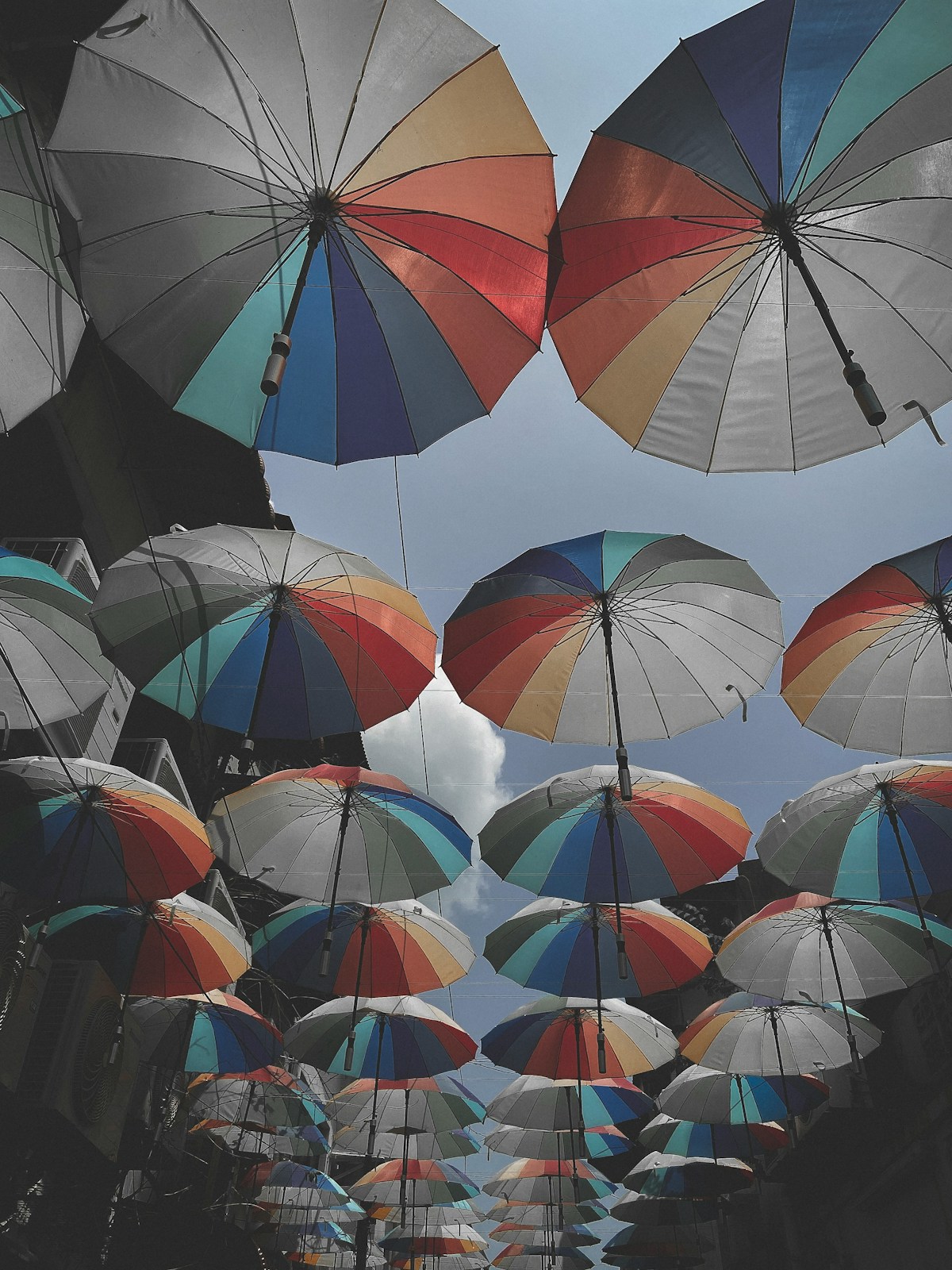
Penang Travel Guide
Georgetown UNESCO heritage, the best street food in Malaysia, Penang Hill, beaches, and how to get there from Kuala Lumpur.
Guides for Penang
Penang is a state on the northwest coast of Peninsular Malaysia, centred on an island of the same name. The island’s population is approximately 750,000, with most concentrated in and around Georgetown - the state capital and the main reason most visitors come here. Georgetown was jointly awarded UNESCO World Heritage status in 2008, alongside Malacca, recognising its unusually intact colonial streetscape and the living culture that has developed within it.
The city’s reputation is built primarily on food. Penang is widely considered to produce the best food in Malaysia, which is a meaningful claim given that Malaysia is one of the better food countries in the world. Char kway teow, Penang laksa, cendol, and nasi kandar are all dishes associated with Penang specifically, and the versions made here are generally different from what you find in KL or elsewhere in the country.
Georgetown
Georgetown is the core of any Penang trip. The UNESCO zone covers the historic core - roughly the area between Fort Cornwallis on the seafront and Penang Road inland - and within it you will find Chinese shophouses dating from the 19th century, clan temples, a functioning colonial-era streetscape, and the street art commissioned by the Penang state government from 2012 onward.
The neighbourhood structure is distinctly multicultural: Little India (Jalan Masjid Kapitan Keling area), Chinatown (Lebuh Chulia and the surrounding shophouse streets), the Malay kampung area near the Kapitan Keling Mosque, and the surviving colonial civic buildings along the esplanade. All of these sit within 2 km of each other, which makes Georgetown one of the most walkable heritage areas in Asia.
Food: Penang’s Primary Claim
Food is the organising logic of most Penang trips. The dishes most associated with the island are:
Char kway teow - flat rice noodles stir-fried with high heat over charcoal or gas. The Siam Road Charcoal Char Koay Teow is one of the most talked-about versions in the city, typically with a queue from noon onward.
Penang laksa (asam laksa) - a sour, tamarind and fish-based broth served with thick rice noodles, mint, cucumber, pineapple, and a thick prawn paste. It is a more complex and polarising dish than the coconut-cream laksa more common in KL. The version at Air Itam market is the most referenced.
Cendol - shaved ice with green rice flour jelly, coconut milk, palm sugar, and red beans. More refreshing than it sounds and better here than almost anywhere else in Malaysia. Penang Road Teochew Chendul is the most famous stall.
Nasi kandar - rice with a selection of curries poured over. Line Clear (Lorong Baru, open from 10pm to dawn) and Hameediyah (Jalan Campbell, open since 1907) are the two most historically significant.
Key Attractions
Penang Hill (Bukit Bendera) is the island’s highest point at 830 metres. The funicular railway runs from Penang Hill base station (reachable by Rapid Penang bus 204 from Georgetown) and takes 5 minutes at a maximum gradient of 1:2. Adult return ticket is RM30 (check for current pricing). At the summit: a colonial bungalow precinct, a café, a mosque and temple within 100 metres of each other, and sweeping views of Georgetown, the Penang Bridge, and the Malacca Strait on clear days.
The Clan Jetties are wooden stilt villages on the Georgetown waterfront, built by the Chinese clans that settled in Penang from the 18th century. Chew Jetty is the largest and most visited. Families still live here. Entry is free and the walk out along the jetty into the strait, looking back at the Georgetown skyline, is worth 30 minutes of anyone’s time.
Kek Lok Si Temple in Air Itam is the largest Buddhist temple in Malaysia and one of the most significant in Southeast Asia. The complex covers a hillside and includes a seven-tier pagoda (Ban Po Thar) and a 30-metre bronze statue of Kuan Yin. Entry to the temple grounds is free; the cable car to the Kuan Yin pavilion costs RM8 one way, RM12 return. Allow 1.5 hours. The temple is 6 km from Georgetown, reachable by Grab (RM10–14) or Rapid Penang bus.
Getting There
The fastest route from KL is to fly. The flight takes 50 minutes and AirAsia offers the cheapest fares - book in advance for RM60–120 one way. Penang International Airport (PEN) is in Bayan Lepas on the south of the island; a Grab to Georgetown takes 30–40 minutes (RM25–35).
The ETS train from KL Sentral to Butterworth station (on the mainland, directly facing Georgetown) takes 3.5–4 hours. From Butterworth, the public ferry to Georgetown’s Pengkalan Weld ferry terminal takes 15 minutes and costs RM1.20 (adults, one-way). The ferry runs from early morning until midnight.
Long-distance buses from TBS or Puduraya terminal in KL also serve Penang, taking 4–5 hours.
Getting Around Penang
Georgetown is small enough to walk or cycle. Several places along Lebuh Chulia and near the clan jetties rent bicycles for RM15–25 per day. Walking the UNESCO zone takes at most 25 minutes end to end.
Grab is the most practical option for anything beyond Georgetown - Batu Ferringhi, Penang Hill, Kek Lok Si, and the airport are all reasonable Grab distances.
Rapid Penang buses cover the island including the northern beach coast (bus 101 to Batu Ferringhi) and Penang Hill base station (bus 204). Fares are RM1.50–4 depending on distance and route. The bus system is functional but slower and less convenient than Grab for most visitors.
Climate
Penang is tropical and warm year-round, averaging 27–32°C. The wettest months are October and November when the northeast monsoon brings heavier rain to the island’s northern and eastern coasts. The driest period is typically December–February. Like most of Malaysia, rain comes in short afternoon bursts rather than sustained all-day drizzle, and the mornings are usually clear.
For a detailed look at what to eat and where, the Penang food guide covers the key dishes and the best places to find them. Browse hotels in Penang on Booking.com. For guided experiences - street art walks, food tours, and day trips - tours in Penang are a practical option if you want local context without the planning. If you’re booking close to your visit, last-minute tour availability is refreshed twice daily - Penang food walks and heritage tours tend to hold spots better than bigger-city experiences.
For visitors trying to choose between Malaysia’s two most popular northwest destinations, see Langkawi vs Penang. For a comparison with the capital, see Kuala Lumpur vs Penang. For a head-to-head with Malaysia’s other major UNESCO heritage city, see Penang vs Malacca.
Top Tours & Activities in Penang
The following tours are available on GetYourGuide with free cancellation on most options. Prices are in USD as of 2026 — confirm current availability when booking.
- Half-Day UNESCO Heritage Tour in George Town (4 hrs) — from $51 per person. Guided walk through Fort Cornwallis, St George’s Church, the Kapitan Keling Mosque, clan temples, and Lebuh Armenian street art; small-group format.
- Beyond The Plate Penang Morning Food Tour (3.5 hrs, 15+ tastings) — from $56 per person. Guided hawker trail starting at Chowrasta Market; covers char kway teow, Penang laksa, cendol, Nyonya kuih, and coffee shop culture with cultural commentary.
- Penang Island City Tour (5–6 hrs) — from $72 per person. Broader island circuit covering Fort Cornwallis, Little India, Chew Jetty, the Reclining Buddha at Wat Chayamangkalaram, and Kek Lok Si Temple.
- Penang National Park Hike or Boat Trip (8 hrs) — from $160 per person. Full-day trip to Penang’s oldest national park; choose between a jungle trail to Monkey Beach or a boat route through the mangrove coast to Pantai Kerachut turtle beach.
- Full Day Pulau Penang Exploration Tour (8 hrs with pickup) — from $102 per person. Comprehensive island day combining Georgetown heritage, Penang Hill (funicular included), Kek Lok Si Temple, and the northern beach coast.
[Browse all Penang tours on GetYourGuide →](/go/tours-penang)
More Penang Guides
- Things to do in Penang - Georgetown street art, Penang Hill, Kek Lok Si temple, Clan Jetties, and food tours
- Best hotels in Penang - Georgetown heritage hotels, Batu Ferringhi beach resorts, and budget guesthouses
- Food to try in Penang - char kway teow, Penang laksa, nasi kandar, and where to find the best hawker stalls
- Best restaurants in Penang - sit-down dining across Georgetown and Batu Ferringhi by price range
- Best cafes to work from in Penang - Wi-Fi cafes and co-working spots in Georgetown and Pulau Tikus
- Penang street food guide - the essential hawker centre and street stall trail through Georgetown
- Street art walking tour in Penang - Ernest Zacharevic murals and iron sculpture trail in Georgetown
- Penang beaches - Batu Ferringhi, Teluk Bahang, and Monkey Beach compared
- Day trips from Penang - Ipoh, Langkawi ferry, Penang National Park, and Butterworth
- Penang vs Malacca - choosing between Malaysia’s two UNESCO heritage cities
- Penang food guide - the full guide to Penang’s hawker heritage: which stalls, which dishes, which neighbourhoods
- Nyonya cuisine guide - Peranakan food history and the best Nyonya restaurants in Penang and Malacca
- Penang food tours - guided hawker trail walks, night market runs, and cooking classes in Georgetown with named operators and prices
- Vegetarian and vegan food in Malaysia - plant-based eating in Penang and across the country, from banana leaf restaurants to Chinese Buddhist hawker stalls
- Digital nomad guide to Penang - coworking spaces, neighbourhoods to live in, and visa options for remote workers in Georgetown
- 1 week Malaysia itinerary - how Penang fits into the classic KL–Penang–Langkawi west coast route
Upcoming Events in Penang
Penang International Food Festival 2026
penang
Penang International Food Festival 2026, October. Month-long celebration of Penang's UNESCO food culture with hawker trails, chef dinners, and classes.
Deepavali 2026 Malaysia: Dates, Celebrations & Where to Celebrate
Deepavali 2026 in Malaysia: public holiday 20 October. Kolam art and oil lamp displays in Brickfields KL and Penang's Little India, plus open houses.
Looking for somewhere to stay in Penang? Browse hotels in Penang , compare prices and book with free cancellation on most options.
Book an experience
Top experiences in Penang
Explore the best tours and activities in Penang, with instant confirmation and free cancellation on most bookings.