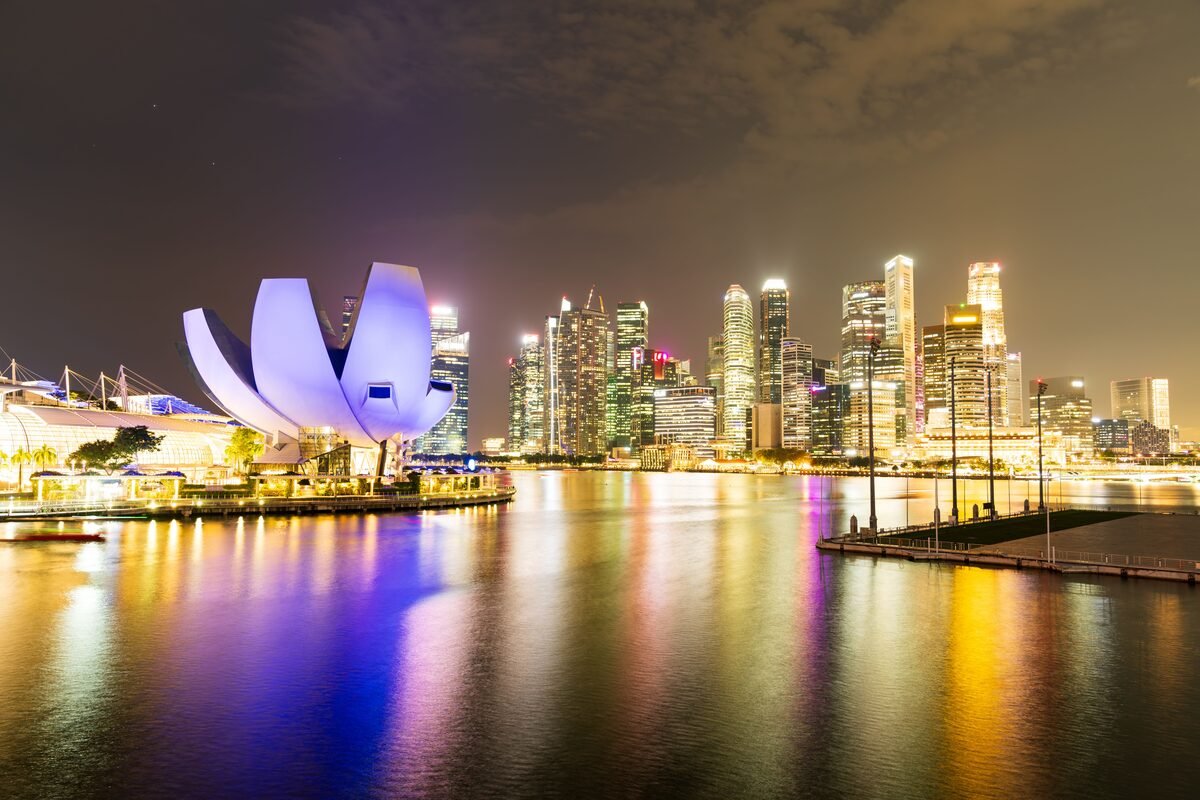
Kuala Lumpur and Singapore are the two obvious anchors of a peninsular Malaysia trip, sitting 350 km apart with efficient road, rail, and air connections between them. They compete for the same travel days - but they are not substitutes. Here is the honest comparison.
The Short Answer
- Choose KL if budget, food diversity, Islamic heritage, and a wilder pace matter most
- Choose Singapore if you want the most efficient, safest, and most polished city in Southeast Asia
- Do both if you have six or more days - the bus or train between them is genuinely easy
Cost of Travel
This is where the comparison is starkest. KL is one of Southeast Asia’s best-value cities; Singapore is one of its most expensive.
Kuala Lumpur daily costs (2026, per person):
- Street food meal: RM5–12
- Mid-range restaurant lunch: RM25–45
- Grab car across the city: RM10–25
- Mid-range hotel: RM180–350/night
- Petronas Towers observation deck: RM85
Singapore daily costs (2026, per person):
- Hawker centre meal: SGD5–12
- Mid-range restaurant lunch: SGD18–40
- Grab car across the city: SGD12–25
- Mid-range hotel: SGD180–320/night
- Gardens by the Bay conservatories: SGD28
Day-to-day living costs are similar in absolute terms - but the exchange rate means Malaysians and regional visitors effectively pay less in KL. A budget traveller can manage in KL on RM150–200/day including accommodation; the Singapore equivalent is SGD100–140.
Food
Both cities are world-class food destinations, but they have different characters.
Kuala Lumpur offers the widest variety on the peninsula: Malay nasi lemak and rendang, Chinese-Malaysian char kway teow and dim sum, Indian banana-leaf rice and roti canai, Nyonya laksa, and excellent modern Malaysian restaurants. Jalan Alor in Bukit Bintang is the most lively night street (satay from RM4/stick, massive seafood platters RM80–150 for two); Petaling Street has reliable roast duck and wonton noodles (RM12–18); Bangsar and TTDI are where the city’s better modern restaurants cluster. For the complete KL food picture, see our Kuala Lumpur food guide.
Singapore’s hawker centre system - Old Airport Road, Maxwell Food Centre, Lau Pa Sat - is extraordinarily well run, clean, and the most concentrated source of Michelin Bib Gourmand dishes in the world. The trade-off is that hawker stalls feel slightly institutional compared to KL’s street chaos. Singapore also has exceptional Japanese, contemporary Indian, and Chinese fine dining that KL’s restaurant scene does not yet consistently match.
For pure hawker food culture, KL and Penang together outpoint Singapore. For the overall dining range including fine dining, Singapore holds the edge.
Things to Do
Kuala Lumpur:
- Petronas Twin Towers Sky Bridge and observation deck (RM65–85, book well in advance)
- Batu Caves - 272 steps to the Hindu temple cave, free entry, 30 minutes by KTM Komuter
- Central Market and surrounding Chinatown murals
- Islamic Arts Museum Malaysia (RM25 - one of Asia’s best)
- KLCC Park - free, with fountain shows at night
- Bukit Nanas Forest Reserve - primary forest 500m from the city centre, free
Singapore:
- Gardens by the Bay Supertree Grove (free at night) and conservatories (SGD28)
- Universal Studios Singapore (SGD81+)
- Night Safari - world’s first (SGD50–55)
- National Museum and Asian Civilisations Museum (SGD20 each)
- Marina Bay Sands rooftop SkyPark (SGD26 without hotel stay)
- Sentosa Island beaches - free access, activities priced separately
KL offers more genuine urban exploration for lower cost. Singapore’s paid attractions are more polished and reliable - less variable, less adventurous.
Getting Around
Singapore is where public transport does everything right: the MRT is fast, clean, and air-conditioned, covers almost every tourist destination, and a journey across the city costs SGD1.50–2.50. You can navigate Singapore entirely without taxis if you choose to.
KL’s rapid transit system - LRT, MRT, KTM Komuter, monorail - is improving and covers most tourist areas, but transfers between lines require walking, and the system stops running by midnight. Grab is cheap and fills gaps. For the full KL transport picture, see our things to do in KL guide.
Safety and Ease of Travel
Singapore is one of the safest cities in the world by any metric. Petty crime is rare; the legal system is unusually strict; and the city is engineered for clarity - signage, food safety ratings, and transport are all managed to a high standard. First-time solo travellers and families find it exceptionally stress-free.
KL is a safe city by regional standards but requires more awareness. The Chow Kit area and parts of Jalan Pudu warrant standard urban caution at night. Traffic is chaotic. That said, millions of tourists navigate KL without incident - it is not a dangerous city, just a less managed one.
Where to Stay
KL concentrates the best-value hotels in Bukit Bintang (city centre shopping and food, MRT access) and KLCC (Petronas Towers on your doorstep). Budget hostels from RM60/night; mid-range hotels RM200–350; luxury from RM500 at properties like the Mandarin Oriental (RM700–900) and the Four Seasons (RM1,200+). See our KL hotels guide for specific picks.
Singapore’s best-located hotels cluster in Marina Bay, Orchard Road, and Chinatown. Budget stays are comparatively expensive (from SGD80 for a hostel dorm); mid-range from SGD160; Marina Bay Sands from SGD400–600+. Book early - Singapore hotels sell out during F1 season (September), CNY, and major conventions.
Getting Between KL and Singapore
| Option | Duration | Cost (one way, per person) |
|---|---|---|
| Bus (KL Sentral → Lavender/Queen St) | 4.5–5.5 hours | RM50–80 (SGD20–30) |
| Train (ETS to JB + cross via Causeway + Singapore MRT) | 5–6 hours | RM50–80 total |
| Flight (KLIA/KLIA2 → Changi) | 1 hour flying | RM80–200+ (varies wildly) |
| Grab/taxi (direct, not recommended) | 4–5 hours | RM400–600+ |
The bus is the most popular choice. Premium coaches (Aeroline, First Coach) cost more but run door-to-door between KL city hotels and Singapore. Budget on 30–60 minutes for immigration at the Johor/Singapore border, longer during public holiday weekends.
Our Verdict
KL wins on value, food diversity, and the authentic urban buzz of a rapidly developing Southeast Asian city. Singapore wins on polish, safety, efficiency, and sheer density of world-class infrastructure. They are different experiences, not competing ones - KL is more interesting to explore; Singapore is more comfortable to be in. For a first trip to the region, doing both with a bus or train in the middle gives you the complete picture: five nights in KL, three nights in Singapore is a natural split for a ten-day trip.
Plan Your Trip
✈️ Book your flights to Malaysia 🛡️ Get travel insurance 📱 Stay connected with an eSIM 🚗 Rent a car in Malaysia 🏨 Hotels in Kuala Lumpur · Hotels in Singapore
More Comparisons
- KL vs Penang - the capital versus the island
- Malaysia vs Singapore itinerary - how to combine both in one trip
- Langkawi vs Penang - northwest Malaysia island decision