Penang and Phuket attract similar travellers - those looking for Southeast Asian island culture, food, and beach access in a single destination. They are often discussed as alternatives to each other, and for some itineraries, genuinely are. But they deliver very different things. Here is the direct comparison, with prices as of 2026.
The Short Answer
- Choose Penang for world-class hawker food, UNESCO heritage architecture, and a genuine city-on-an-island experience
- Choose Phuket for swimmable beaches, resort infrastructure, island-hopping, and diving access
- Do both if you have more than a week - the direct flight is under an hour
Beaches
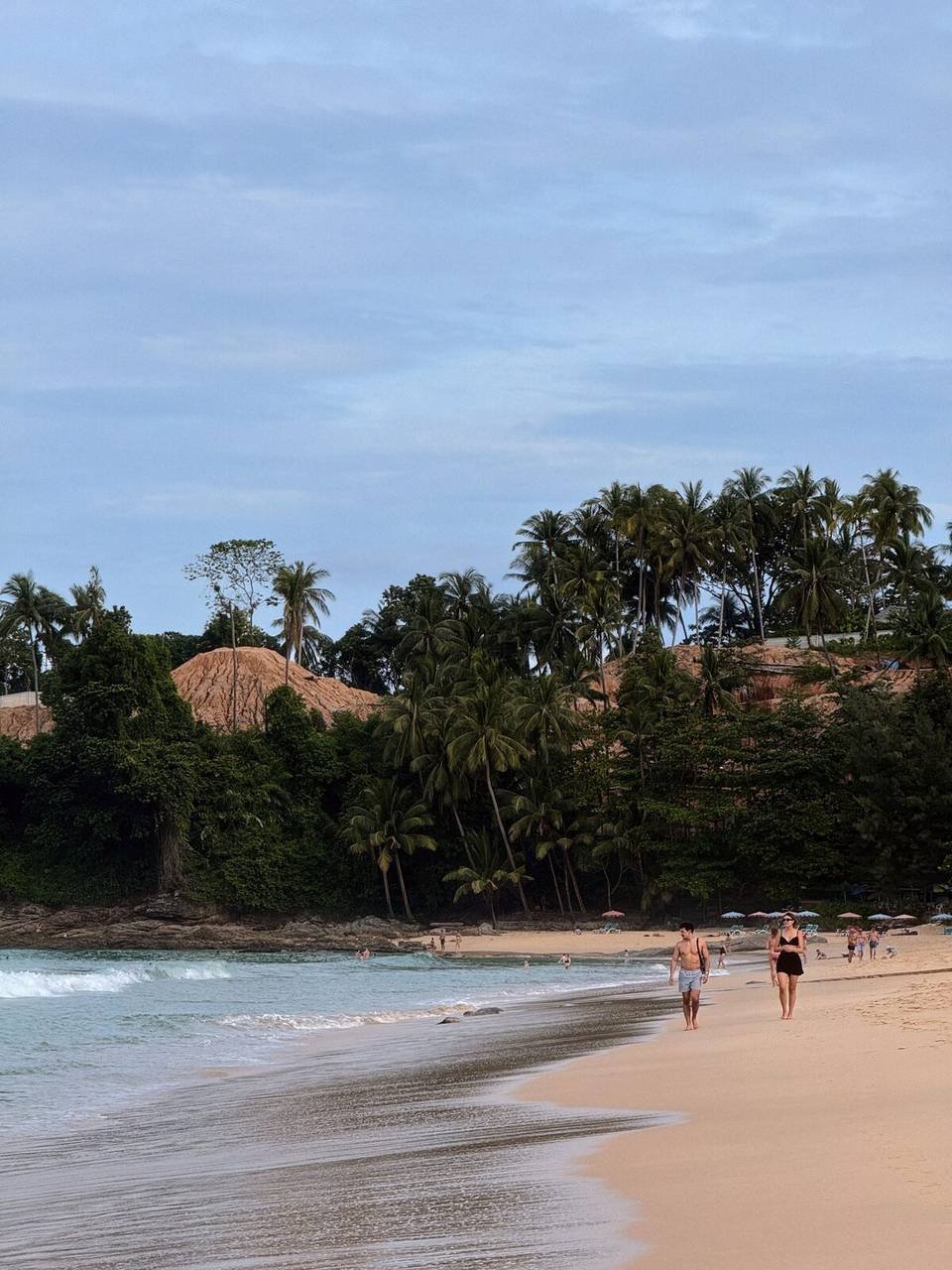
Phuket wins by a wide margin. Kata Noi, Kata Yai, Karon, and Kamala offer white sand and clear enough water for swimming. Surin and Banana Beach are quieter. Phi Phi Island day trips (from approximately THB1,200–1,800 per person) are genuinely beautiful, and the Similan Islands liveaboard and day-trip circuit is accessible from Khao Lak two hours north.
Penang’s Batu Ferringhi beach is busy, lined with accommodation, and popular for jet-skiing and parasailing - but the Straits of Malacca water is cloudy and warm, not swimmable in the way Andaman water is. Penang Hill, Penang National Park’s Monkey Beach (reachable by boat or 5 km trek), and Pantai Kerachut are pleasant natural spaces, but if a beach is your primary reason for traveling, Penang will disappoint.
Food
Penang wins, and it is not a marginal call. Penang is regarded by many food writers and travellers as the best hawker food city in Southeast Asia, a claim that is not easy to argue against.
The must-eats: asam laksa at Air Itam (RM4–6, one of Malaysia’s most complex and addictive dishes), Siam Road char kway teow (RM8–12, smoky and rich with lard and cockles), the hawker stalls on Gurney Drive (100+ options, nightly, RM5–15 per dish), and nasi kandar at Restoran Kapitan or Line Clear (RM12–20 for a full plate with curries). The diversity - Malay, Chinese-Malaysian, Indian, and Nyonya - is what distinguishes Penang from single-cuisine food destinations.
Phuket is not without serious food: Phuket Old Town (Thalang Road area) has excellent Baba Nyonya or Peranakan food that reflects the island’s mixed Chinese-Malay heritage - mee sua, khanom jeen, and oh tao are genuine regional specialities. Rawai and Chalong pier areas have good seafood restaurants. But the beachside tourist strip (Patong especially) is a wall of mediocre pizza and pad thai aimed at package tourists, and it is easy to eat badly in Phuket.
Verdict: Penang for depth of food culture; Phuket for beachside seafood feasts.
Heritage and Culture
Penang holds a clear advantage. George Town’s UNESCO-listed historic core is one of Southeast Asia’s best-preserved colonial-era cities, with Chinese clan temples, Armenian Street street art, Khoo Kongsi clan house (RM10), Peranakan Mansion (RM25), Fort Cornwallis, and the Cheong Fatt Tze Blue Mansion (guided tours RM17). The city feels lived-in and layered, not curated for tourism.
Phuket’s Old Town in Phuket Town (not Patong - these are different places) has attractive Sino-Portuguese shophouses and a genuine local scene that most package tourists never visit. Wat Chalong and the Big Buddha are popular temple stops. But the cultural depth and authenticity of George Town is not replicated here. The bulk of Phuket’s tourism infrastructure is aimed at beach holidays, not cultural exploration.
Nightlife
Phuket (specifically Patong) is Southeast Asia’s most concentrated party destination outside Kuta, Bali. Bangla Road’s bars, clubs, and live music venues are not for everyone, but they exist in a density and energy that Penang does not attempt to match. Phuket elsewhere - Kata, Kamala, Surin - has a calmer bar scene.
Penang’s nightlife centres on George Town’s bars, rooftops, and cocktail spots. Trendy enough for younger travellers, quieter than a beach resort, and the better choice if you want craft cocktails over club music.
Getting There
Penang (PEN) has direct flights from Kuala Lumpur (1 hour, RM60–150), Singapore (1.5 hours, RM150–250), Bangkok (1.5 hours, RM150–300), and several regional cities. Penang’s airport is efficiently small.
Phuket (HKT) has direct international flights from more origins, including direct services from Europe, Australia, and Northeast Asia during peak season. From KL: about 1.5 hours (RM150–280). From Singapore: about 1.5 hours. The Penang–Phuket direct flight (AirAsia, under 1 hour) is the key connection for combining both.
Costs
| Penang | Phuket (beach areas) | |
|---|---|---|
| Street meal | RM5–12 | THB80–180 (RM25–55) |
| Mid-range hotel/night | RM280–500 | THB2,500–5,000 (RM300–600) |
| Day trip (boat) | RM50–100 | THB1,200–2,000 (RM140–240) |
| Beer at a bar | RM15–18 | THB100–160 (RM12–20) |
Note: Phuket Old Town accommodation is significantly cheaper than beachfront hotels. If budget is a concern and beaches are not the priority, basing yourself in Phuket Town and day-tripping to beaches can dramatically reduce costs.
Where to Stay
Penang - George Town heritage hotels are the standout accommodation choice: boutique shophouse conversions in the UNESCO core (from RM280), the Eastern & Oriental Hotel for old-world grandeur (from RM700). Batu Ferringhi beach resorts (Shangri-La Rasa Sayang from RM800) suit those who want both. For named picks, see our Penang hotels guide, and book Penang tours for food trails and heritage walks.
Phuket - Kata Noi and Surin beach have the most tasteful resort options; Patong is convenient and noisy. Budget travellers do better in Phuket Old Town and shuttle to beaches. Kamala is the best mid-range beach area for quieter resort stays.
Our Verdict
These two islands are not genuine substitutes - they offer different things. Penang is for food obsessives, heritage travellers, and anyone who wants to understand Malaysia through its most culinarily distinctive city. Phuket is for travellers who want a beach holiday with good infrastructure, island day trips, and a proven resort ecosystem. If you can only choose one: Phuket for beaches, Penang for culture and food - every time. If you have eight or more days in the region, the under-one-hour direct flight makes the pairing one of Southeast Asia’s best two-stop itineraries.
Plan Your Trip
✈️ Book your flights to Malaysia 🛡️ Get travel insurance 📱 Stay connected with an eSIM 🏨 Search Penang hotels on Booking.com
More Comparisons
- Langkawi vs Penang - Malaysia’s two most-visited islands compared
- Penang vs Malacca - two of Malaysia’s best heritage cities
- Malaysia vs Thailand - the full country-to-country comparison