Malaysia is a welcoming destination with low rates of violent crime, but like any major tourist country it has a handful of recurring scams targeting visitors. Knowing what to watch for keeps your trip smooth - and understanding local tipping culture saves awkward moments at the checkout.
Common Tourist Scams in Kuala Lumpur
Taxi Meter Refusal
The most frequently reported scam in KL. You hail a metered taxi at KLCC, Bukit Bintang, or near major attractions, and the driver quotes a fixed price - invariably two to four times the metered rate.
How to avoid it: Use Grab for every journey in KL. The app shows the fare before you book, the route is live-tracked, and payment can be cashless. If you must take a metered taxi, sit down and confirm the meter is running before the car moves. If the driver refuses, get out.
Friendly Stranger / Gem Scam
A well-dressed local approaches you, strikes up a conversation about your home country, and casually mentions that a relative owns a jewellery or gem export business. You’re invited to visit “just to look.” Prices seem suspiciously low because, you’re told, the shop needs international receipts for tax reasons. The gems are synthetic or grossly overpriced.
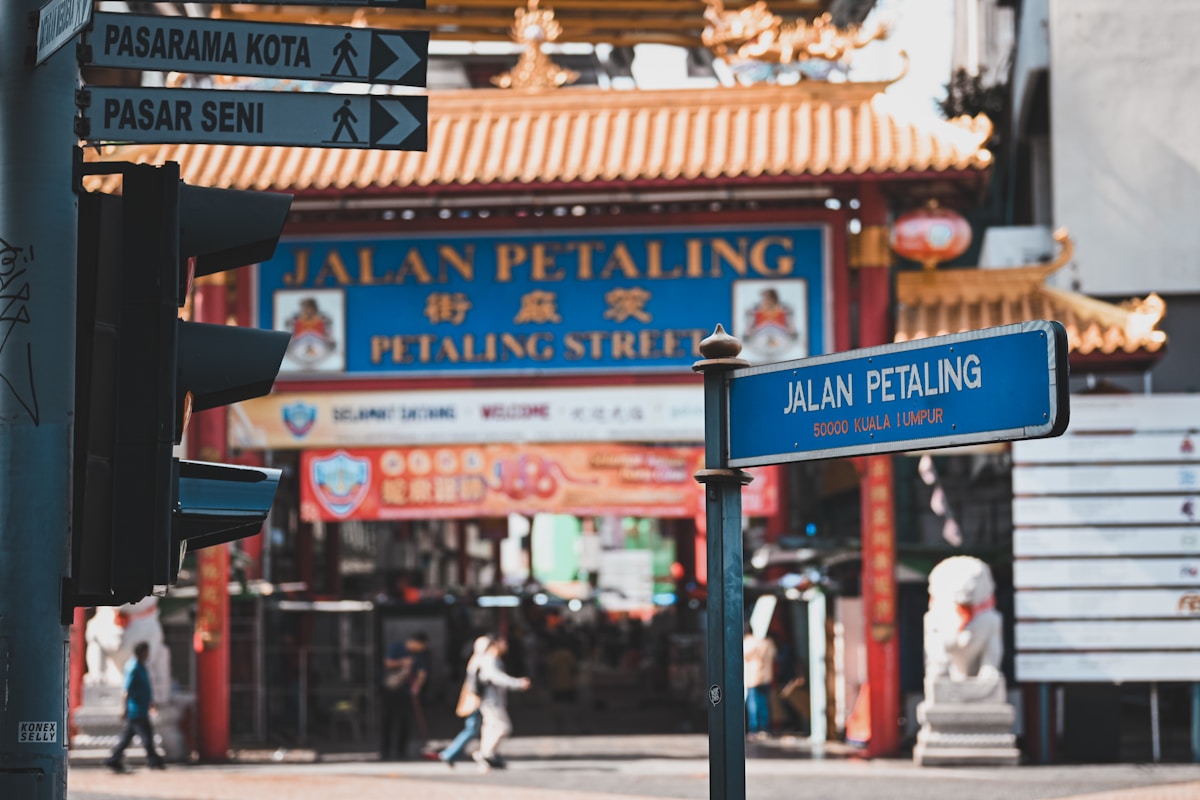
How to avoid it: No stranger is taking you to a gem deal out of goodwill. Decline politely and move on. This scam is well-documented around Petaling Street and Bukit Bintang.
Fake Tour Guides at Attractions
At Batu Caves, KLCC, and the KL Bird Park, unofficial “guides” approach tourists offering commentary and shortcuts. Once the tour ends they demand MYR 100–200 (approximately MYR 100–200 as of 2026) for services you never agreed to pay for.
How to avoid it: Official guides at major attractions wear identifying badges and agree on fees in writing beforehand. If you want a guide, book through your hotel or a licensed operator. Our Batu Caves guide has details on what you can see independently without a guide.
Short-Change at Markets
Busy night markets and hawker centres are genuine, but some stalls target tourists by counting change incorrectly. Notes of MYR 50 and MYR 100 can be misrepresented in poor lighting.
How to avoid it: Familiarise yourself with Malaysian Ringgit notes before you travel. Count your change immediately. Using GrabPay or Touch ‘n Go e-wallet sidesteps this entirely.
Overpriced Rickshaws in Malacca
Malacca’s brightly decorated trishaws (beca) are a legitimate local icon, but some operators quote one price to board and demand far more at the destination.
How to avoid it: Agree the full fare in writing (or on the driver’s phone) before stepping in. A reasonable 20–30 minute sightseeing ride costs approximately MYR 30–50 as of 2026.
Scams in Penang
Georgetown has a strong local community and scams are less aggressive than in KL, but two situations recur:
Unofficial art tours: Someone posing as an artist or cultural guide offers a private walking tour of Georgetown’s street murals. There’s no firm quote, and the “suggested donation” at the end is steep.
Avoid by: using the free self-guided street art maps available at the Penang State Museum and at most guesthouses. The murals are all in public spaces.
Overpriced trishaw rides: Same pattern as Malacca - agree the price before boarding.
Scams in Langkawi
Langkawi is largely low-risk. The main issue is unofficial island-hopping boat tours sold at the jetty that don’t match what’s advertised. Operators may cancel snorkelling stops if seas are rough, with no refund.
Avoid by: booking island-hopping tours through your hotel or a licensed counter inside the ferry terminal. Check that refund and cancellation terms are on paper.
Snatch Theft - Practical Awareness
Snatch theft (bag and phone snatching, usually from motorcycles) does occur in KL, particularly in Chow Kit, Masjid India, and Petaling Street. It also happens in Penang’s Komtar area. Victims are rarely physically harmed, but phones and cameras are lost.
Practical steps:
- Carry bags on the side away from the road
- Keep your phone in a front pocket or internal bag pocket in busy areas
- A cross-body bag with a slash-resistant strap (widely sold in KL malls) is a sensible investment
- Don’t walk looking at Google Maps on a phone in a busy street; stop, check, pocket, walk
Tipping in Malaysia - What’s Expected
Service Charge vs. Tipping
Malaysia operates a 10% + 6% tax structure in licensed restaurants. The bill will often show:
- Service charge: 10% - goes to the restaurant, not necessarily to your server
- SST: 6% (Sales and Service Tax)
When this is on the bill, an additional tip is entirely optional. At hawker centres (gerai), kopitiam coffee shops, mamak stalls, and market food stalls, there is no service charge and tipping is not expected.
When to Tip - Practical Guidance
| Setting | Tip Expected? | Suggested Amount (as of 2026) |
|---|---|---|
| Hawker centre / food court | No | - |
| Kopitiam / mamak | No | - |
| Mid-range restaurant (service charge included) | No | MYR 5–10 if you want to reward great service |
| Mid-range restaurant (no service charge) | Optional | MYR 5–10 |
| Upscale restaurant (service charge included) | Rare | MYR 10–20 if exceptional |
| Hotel porter | Optional | MYR 2–5 per bag |
| Hotel housekeeping | Optional | MYR 5–10 per day |
| Taxi (metered) | Optional | Round up to nearest MYR |
| Grab driver | Not expected | In-app tip option exists |
| Tour guide (full-day) | Optional | MYR 20–50 per person |
| Spa / massage | Optional | MYR 10–20 |
Tipping by City
Kuala Lumpur: Mid-range and upscale restaurants almost always include the service charge. Budget restaurants and food courts do not expect tips. Hotel staff in international properties are happy to receive small amounts.
Penang: Similar pattern. At Georgetown’s hawker stalls - even famous ones like the Penang Road Famous Teochew Chendul - tipping is not done. At sit-down restaurants without service charge, rounding up is fine.
Langkawi: Resort staff in higher-end properties often receive tips from international guests. MYR 10–20 per night for housekeeping is generous but appreciated.
Borneo (Kota Kinabalu, Kuching): Wildlife guides and jungle trek guides work hard for modest base pay. Tipping MYR 50–100 per person for a full-day wildlife tour as of 2026 is appreciated and common among experienced travellers.
How to Tip
Cash in hand is clearest. If paying by card, tell your server directly. There’s no formal tipping envelope culture in Malaysia - handing cash to the staff member you want to thank is fine.
Compare travel insurance, Get a Malaysia eSIM, or Book airport transfers.
Reporting Scams
Tourist Police Hotline: 1300-88-5050 (free, operates daily)
Tourist Police offices are located at:
- KL City Centre (near Suria KLCC)
- Bukit Bintang, Kuala Lumpur
- Georgetown, Penang
- Jonker Street area, Malacca
For taxi overcharging, you can also report to SPAD (Land Public Transport Commission) via their website, though results are slow. For urgent incidents, dial 999.
Malaysia’s scam ecosystem is manageable with basic awareness. The gem scam and meter-refusal taxi are the two situations where real money is at risk. For everything else, a confident manner and Grab on your phone handles most situations.
For broader safety context, see our full Malaysia safety guide.
Plan Your Trip
✈️ Book your flights to Malaysia 🛡️ Get travel insurance 📱 Stay connected with an eSIM 🚗 Rent a car