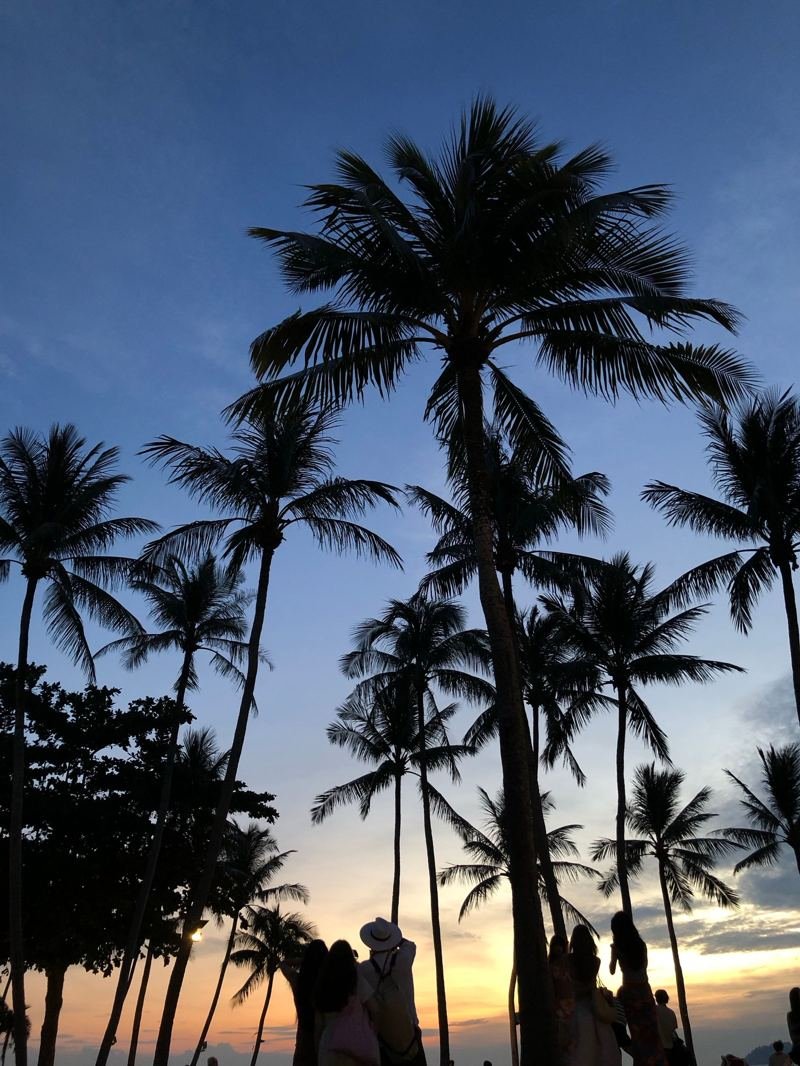
Malaysian Borneo is divided between two states - Sabah in the northeast, Sarawak stretching along the northwest coast - and most travellers only have time for one. They are genuinely different: Sabah is wildlife and altitude; Sarawak is jungle, caves, and living indigenous culture. Here is how to pick.
The Short Answer
- Choose Sabah for orangutans plus other wildlife, a mountain climb, world-class diving, and a compact set of major highlights
- Choose Sarawak for the Mulu caves, Iban longhouse culture, urban Kuching, and a broader jungle experience
- Do both only if you have 12+ days and accept that connecting flights often route through KL
Sabah’s Highlights
Sabah’s appeal is concentrated in three areas:
Kinabatangan River Wildlife Corridor - the most accessible wildlife destination in Borneo. Two or three nights at a river lodge (from approximately RM250–400 per night including meals and guided boat trips) puts you in range of pygmy elephants, proboscis monkeys, orangutans, crocodiles, and hornbills. This is one of Asia’s best wildlife experiences and the logistics are simple - fly to Sandakan (from KK, about 45 minutes), lodge picks you up.
Sepilok, Sandakan - the Sepilok Orangutan Rehabilitation Centre (RM30 entry) holds feeding sessions at 10am and 3pm; the adjacent Bornean Sun Bear Conservation Centre (RM50) is the only place in the world dedicated to sun bears. Both are a 30-minute Grab ride from central Sandakan.
Mount Kinabalu - at 4,095m, Southeast Asia’s highest peak outside Papua. A two-day climb requires a permit (approximately RM200–300 for the summit package, RM1,000–1,500 with guide fees and accommodation - book months in advance). The via ferrata routes and half-day Kinabalu Park walks are more accessible alternatives (park entry RM50). The mountain itself is viewable from Kota Kinabalu on clear mornings.
Kota Kinabalu (KK) and the islands - the capital is a relaxed, walkable city with an excellent waterfront night market (fresh seafood, RM60–120 for two). Tunku Abdul Rahman Marine Park’s five islands are a 20-minute ferry ride from KK (RM25 return); the snorkelling is decent and the beaches quiet outside school holidays.
Semporna and the Coral Triangle - Sipadan Island consistently ranks as one of the world’s top ten dive sites. Sipadan permits are strictly controlled (120 divers/day, roughly RM40/permit from SABAH PARKS). Book a dive package through reputable operators in Semporna six to twelve months ahead for peak months. Even without Sipadan, Mabul and Kapalai offer excellent macro diving. See our Sandakan vs Semporna guide for full logistics.
Sarawak’s Highlights
Sarawak’s stronger suit is cultural depth and the most spectacular cave system in the world.
Gunung Mulu National Park - a UNESCO World Heritage Site and the must-see of Malaysian Borneo for many travellers. The Deer Cave is the largest cave passage on earth; the Sarawak Chamber is the largest cave room. Show cave tours run daily (RM25–40 per cave); the Pinnacles trek at Gunung Api is more strenuous (two days, approximately RM100–200 with guide fees). Mulu is reached by MASwings flight from Miri or Kuching (RM100–200 one way).
Bako National Park - Sarawak’s oldest and most accessible national park, 37 km from Kuching (RM20 boat, RM10 entry). Proboscis monkeys are almost guaranteed; the park also holds bearded pigs, sambar deer, and pitcher plants. Overnight accommodation is basic (RM40–75/night for a hostel bunk) but puts you in the forest after day-trippers leave.
Iban longhouses - Sarawak is home to more than 40 indigenous ethnic groups; Iban longhouse visits along the Skrang, Rejang, and Batang Ai rivers are one of the most culturally distinctive experiences in Southeast Asia. Organised tours from Kuching (from approximately RM400–600 for a two-night longhouse trip) are the easiest entry. The Batang Ai Hilton resort area is more polished; the Skrang and Rejang give a less curated experience.
Kuching - Sarawak’s capital is widely considered the most liveable city in Malaysian Borneo, with a compact waterfront, excellent Sarawak Museum (free), strong food scene (kolo mee, laksa Sarawak, manok pansoh), and a well-established digital nomad and expat base. Compared to Kota Kinabalu, Kuching feels more culturally layered.
Niah National Park - near Miri, the Niah caves contain some of the oldest human archaeological evidence in Southeast Asia (40,000 years). Entry RM20, birdnest collectors still operate here. A more serious and less-touristed cave experience than Mulu, but lower on the visual spectacle.
Practical Comparison
| Sabah | Sarawak | |
|---|---|---|
| Capital | Kota Kinabalu | Kuching |
| Ideal duration | 5–8 days | 6–10 days |
| Top wildlife | Orangutans, pygmy elephants, hornbills | Orangutans, proboscis monkeys, sun bears |
| Top experience | Kinabatangan River cruise | Gunung Mulu caves / longhouse stay |
| Diving | World-class (Sipadan) | Limited |
| Mountain trekking | Mount Kinabalu | Gunung Mulu Pinnacles |
| Cultural depth | Kadazan-Dusun festivals | Iban longhouses, Dayak culture |
| Budget (mid-range/day) | RM250–400 | RM200–350 |
Getting Around
Sabah - KK to Sandakan by bus takes 5–6 hours (RM35) or by MASwings flight 45 minutes (RM80–150). Most Sabah wildlife destinations are connected by self-drive or pre-arranged lodge transfers. Car rental from KK is available and practical for the Kinabalu/Ranau area.
Sarawak - Kuching to Miri by express bus takes 14–15 hours; the flight is 55 minutes (RM100–180). Mulu is unreachable by road from the coast - the MASwings flight or a very long river journey are the only options. Within Kuching, Grab is cheap and reliable.
Weather and Timing
Both states share a broadly similar tropical pattern - heavy rain possible year-round, with drier months between March and October and the wettest period November to February. The Kinabatangan River floods can affect access December–February. Sabah’s east coast is also affected by the northeast monsoon November–February.
Our Verdict
For a first trip to Malaysian Borneo on a week-long schedule, Sabah is the more rewarding single destination - the Kinabatangan River plus Sepilok delivers a wildlife experience that rivals anywhere in Asia, and KK provides an easy base. Sarawak is the better choice for travellers prioritising cultural immersion, the most dramatic cave system in the world, or who are already returning to Borneo with the major Sabah highlights checked off. If Mulu is a genuine priority, Sarawak is the only answer.
Plan Your Trip
✈️ Book your flights to Malaysian Borneo 🛡️ Get travel insurance 📱 Stay connected with an eSIM 🏨 Search hotels in Borneo on Booking.com
- Kota Kinabalu: Kota Kinabalu tours and activities · Kota Kinabalu hotels on Booking.com
- Kuching: Kuching tours and activities · Kuching hotels on Booking.com
More Comparisons
- Kota Kinabalu vs Kuching - the two Borneo capitals compared
- Sandakan vs Semporna - wildlife vs diving on Sabah’s east coast
- Borneo vs Bali - if you’re weighing Borneo against Indonesia’s most popular island
Related reading: Best Time to Visit Borneo.