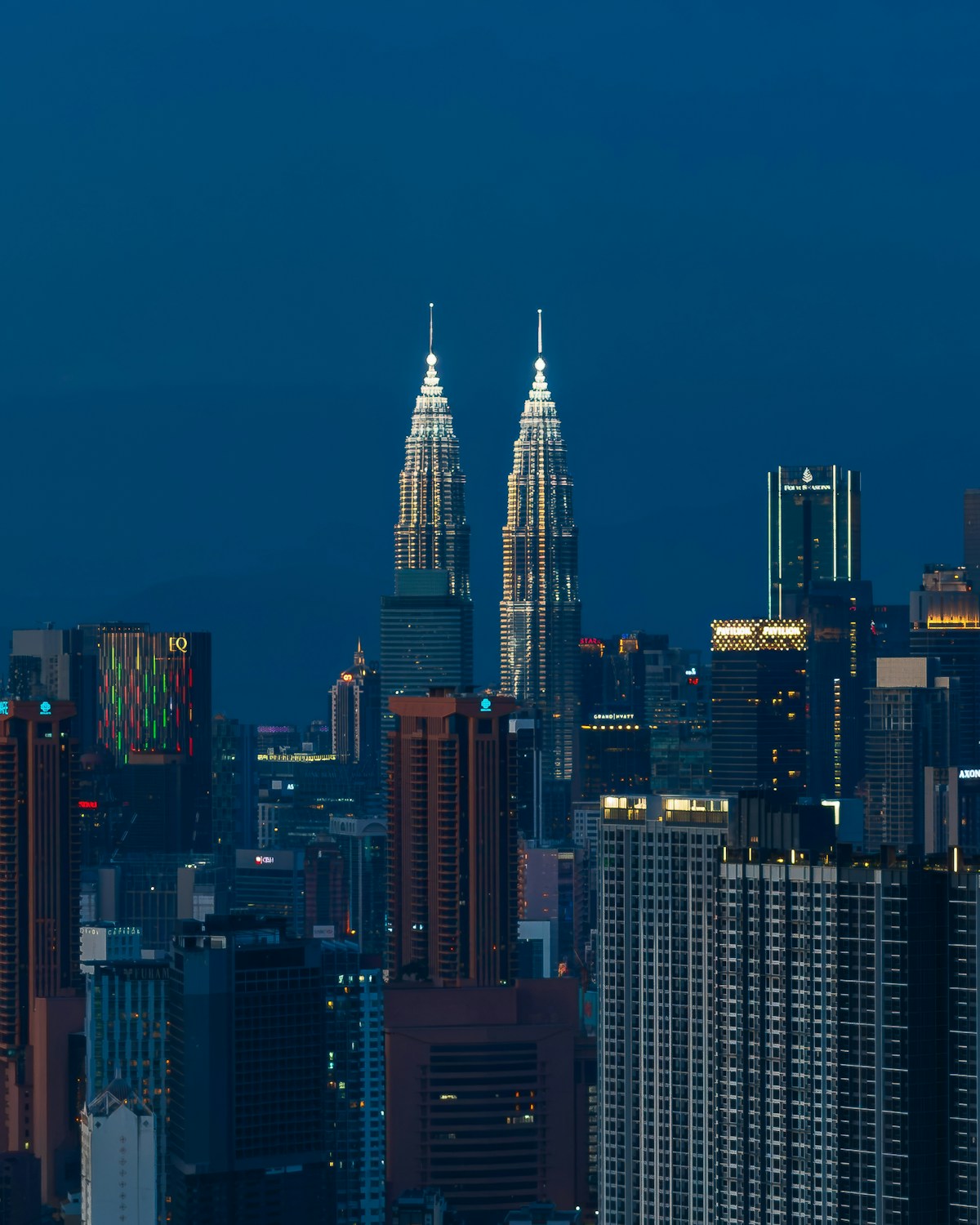
January sits in the middle of the northeast monsoon season, which means two very different Malaysias depending on where you go. The west coast - Kuala Lumpur, Penang, Langkawi, and the Cameron Highlands - enjoys some of its best weather of the year. The east coast is shut down entirely, with the Perhentian Islands, Redang, and Tioman closed to visitors until March.
Weather Across the Regions
Kuala Lumpur averages 28–32°C in January with lower rainfall than the October–December peak. Afternoon showers still occur but they are short, sharp, and clear within an hour. Humidity is lower than the wet months, making city exploration comfortable.
Penang is in prime condition - warm days, calm seas around the north coast, and Georgetown’s street food stalls operating at full capacity. January is one of Penang’s driest months, averaging around 70mm of rain compared to 250mm+ during the southwest monsoon.
Langkawi is at its absolute best. The Andaman Sea is flat, island-hopping is reliable, and mangrove tours run without cancellation. January through March is Langkawi’s peak season and accommodation books out, particularly over Chinese New Year if the dates fall in late January.
East coast (Perhentian Islands, Redang, Lang Tengah, Tioman): closed. The northeast monsoon brings 2–4 metre swells and 400–600mm of monthly rainfall to the South China Sea coast. Boat services are suspended and most resorts are shuttered. Do not plan east coast island travel in January.
Borneo (Sabah and Sarawak) is in its wetter period but remains accessible. Kota Kinabalu gets rain but the Kinabalu National Park is open. Kuching averages heavy rainfall in January - expect daily downpours, though mornings are often clear. Sipadan diving is technically possible but visibility drops compared to the April–September peak.
Festivals and Events
Thaipusam falls in January or February depending on the Tamil calendar. This is one of Malaysia’s most dramatic religious festivals - Hindu devotees carry ornate kavadi (metal frames decorated with peacock feathers and attached to the body with hooks and skewers) in a procession to Batu Caves, just north of KL. The event draws over a million participants and spectators. The caves are accessible by KTM Komuter train and the atmosphere is extraordinary, though the crowds are intense. If Thaipusam falls in January, expect road closures around Batu Caves and a public holiday.
Chinese New Year preparations begin in earnest in January. KL’s malls launch their CNY decorations from early January, and Chinatown (Petaling Street) fills with red lanterns and festival goods. If CNY falls in late January (it varies between late January and mid-February), expect significant domestic travel surges. Flights and accommodation prices spike 30–50% during CNY week. Georgetown in Penang has some of Southeast Asia’s most authentic CNY celebrations.
Costs and Crowds
January is mid-range for pricing outside of CNY and Thaipusam. West coast beach resorts (Langkawi, Pangkor) charge high-season rates from December through February. KL hotels are stable and good value. If your dates overlap with CNY or Thaipusam, book accommodation and domestic flights 6–8 weeks ahead - last-minute availability evaporates.
Malaysian school holidays do not fall in January (they run mid-March, June, August, and November–December), so domestic tourist pressure is lower outside of festival dates.
What to Do in January
The Cameron Highlands are at their best - cool mornings (15–20°C), tea plantations shrouded in mist, and strawberry farms in full production. The BOH tea estate is open for tours and the highland temperatures offer relief from KL’s heat.
Penang’s food scene peaks in January. Hawker stalls along Gurney Drive and the New Lane food court operate without the afternoon rain disruptions of the wet season. Durian is out of season (it peaks June–August in Penang), but cempedak - a related jackfruit-family fruit - is available at roadside stalls.
KL in January is ideal for the Batu Caves, the Islamic Arts Museum, and the Petronas Twin Towers Skybridge. The dry conditions make walking between Bukit Bintang, KLCC, and Merdeka Square comfortable.
The Bottom Line
January is one of the best months for western Peninsular Malaysia. If your itinerary focuses on KL, Penang, Langkawi, and the highlands, conditions are close to ideal. Skip the east coast entirely - those islands reopen in March. Borneo is accessible but wetter than average, so plan indoor alternatives for Kuching and be flexible with Kinabalu summit attempts.
Get a Malaysia eSIM, Compare travel insurance, or Browse tours and activities.
Plan Your January Trip
- Langkawi travel guide - peak dry season: flat seas, reliable island hopping, and the best beach conditions of the year
- Penang travel guide - ideal conditions for Georgetown food crawls, Penang Hill, and hawker stall dining
- Cameron Highlands travel guide - cool mist mornings, BOH tea estates in full production, and hiking without the heat
- Kuala Lumpur travel guide - dry and comfortable for Batu Caves, the Twin Towers, and neighbourhood walking
- Best time to visit Malaysia - full month-by-month breakdown and the best season for each region
Plan Your Trip
✈️ Book your flights to Malaysia 🛡️ Get travel insurance 📱 Stay connected with an eSIM 🚗 Rent a car 🏨 Search hotels in Malaysia on Booking.com