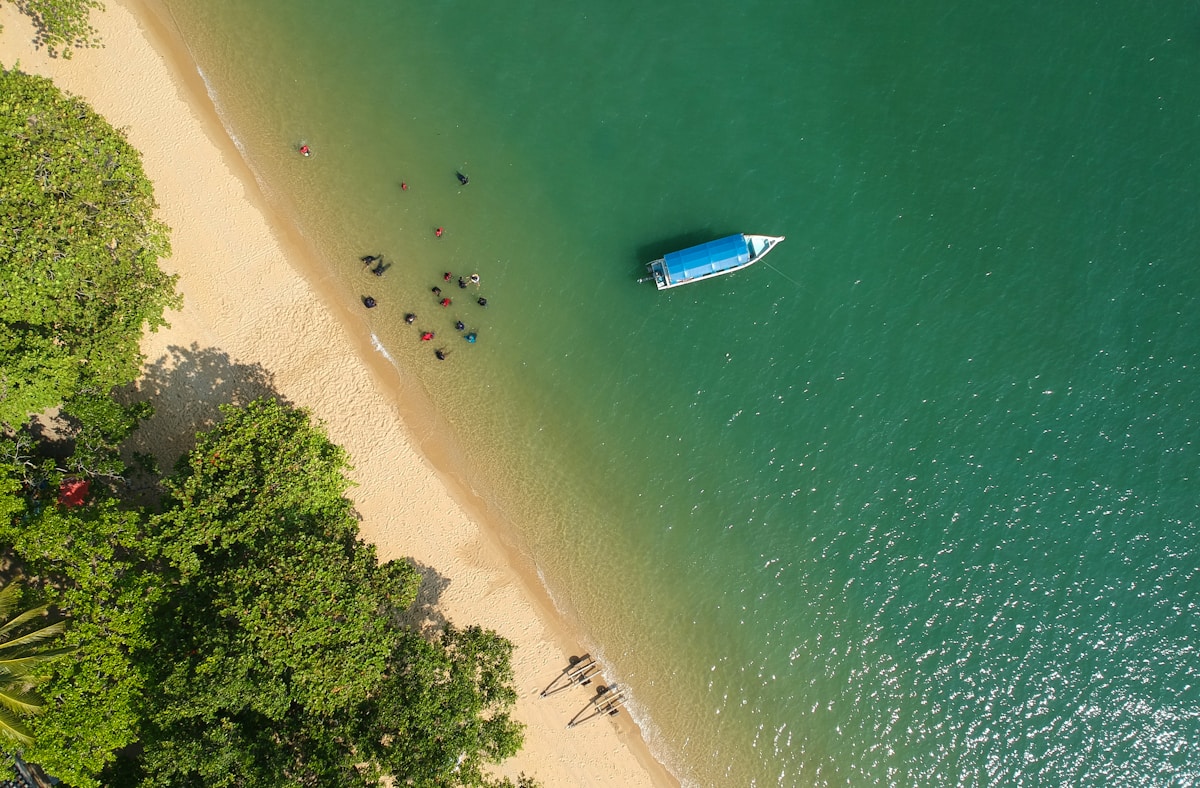
Pangkor Island sits 5 km off the Perak coast in the Straits of Malacca, close enough to peninsular Malaysia to reach on a day trip but far enough away to feel like a genuine island escape. It’s a working fishing island first - the smell of drying fish paste and the sound of boat engines in the harbour make that clear - but the west-facing beaches at Teluk Nipah and Pasir Bogak draw a steady stream of Malaysian weekenders and the occasional international traveller looking for somewhere quieter than Langkawi.
The island is roughly 8 km long and 2 km wide. A single road loops around the perimeter, served by pink-roofed taxis that charge fixed rates by zone. The interior is hilly jungle. There is no commercial airport; everyone arrives by ferry from Lumut.
Getting to Pangkor Island from Lumut
The ferry crossing from Lumut to Pangkor Town takes approximately 30–35 minutes. Ferries depart roughly every 30 minutes between 7am and 8pm daily; the last boat back from Pangkor is around 8pm, though schedules shift by season. Tickets cost approximately RM8–12 per adult one way as of 2026 and are bought at the counter on the Lumut jetty - no advance booking needed.
From Kuala Lumpur, the drive to Lumut takes around 3 hours on the highway via Ipoh. Plusliner and Transnasional run express bus services from Terminal Bersepadu Selatan (TBS) in KL to Lumut, taking approximately 4 hours. From Ipoh, Lumut is about 90 minutes by road; buses and taxis run regularly from Ipoh bus stations.
Once on the island, pink taxis are the main way to get around. Fares are fixed by zone - approximately RM5–15 per ride depending on distance. Motorcycles and bicycles can also be rented from several shops near Pangkor Town jetty for those wanting to explore at their own pace (approximately RM30–50 per day for a motorbike as of 2026).
A free ferry shuttle also connects Pangkor Town to the Royal Belum Rainforest Resort on the smaller Pangkor Laut Island to the south - but only for guests of that resort.
Teluk Nipah: The Best Beach
Teluk Nipah on the northwest coast is the beach most visitors come for. The water is calm, warm, and relatively clear from November to April, and the offshore rocks and reef patches within swimming distance make it the best spot on the island for snorkelling without a boat. The beach itself is lined with casuarina trees rather than towering palms, which keeps the sand shadier than you’d expect.
Budget and mid-range guesthouses line the road behind the beach. Seafood restaurants sit close to the sand, and the atmosphere is unhurried - this is the part of the island most likely to convince you to extend your stay by a day.
Hornbill feeding is a draw in itself at Teluk Nipah. Rhinoceros hornbills and Oriental pied hornbills visit several guesthouses in the late afternoon; the birds have become accustomed to banana offerings and will land within arm’s reach. The Purnama Beach Resort and several smaller guesthouses on the Teluk Nipah road are the best spots. Ask on arrival - staff will tell you the reliable feeding times.
Pasir Bogak: The Main Beach
Pasir Bogak is the longest beach on the island and the most developed. It has more hotels, a wider road, and water sports operators offering jet skis, banana boats, and kayak rentals. The sand is good and the water swimmable, but the beach feels less special than Teluk Nipah and the sea can be murky from boat activity near the jetties.
It’s the better choice if you’re travelling with young children who want activities rather than snorkelling, or if you want more accommodation options at various price points.
Kota Belanda: The Dutch Fort
The Dutch Fort (Kota Belanda) is the main historical site on Pangkor. Built by the Dutch East India Company in 1670 to protect the tin trade route through the Straits of Malacca, it was abandoned, rebuilt, and eventually fell out of use - but the stone walls, a carved VOC inscription, and remnant cannon emplacements have been partially restored.
The fort sits on a small hill south of Teluk Gedung on the island’s east coast, reached by a short unpaved path. Entry is free. It’s not a grand site by any standard - more a set of ruined walls than a dramatic fortress - but it provides a physical connection to Pangkor’s role in the regional tin trade that shaped colonial Southeast Asia.
The carved stone nearby, which locals call the “Batu Bersurat”, shows a child or small figure alongside a tiger, and has been the subject of various historical interpretations. Whatever the true origin, it adds texture to the stop.
Foo Lin Kong Temple
Foo Lin Kong is a Chinese temple complex built into a hillside near Teluk Nipah. It’s a working Taoist temple with shrines, ceramic figurines, and mosaic-decorated walls spread across several terraced levels. A miniature replica of the Great Wall of China winds up the hillside behind the main shrine - an unexpected sight in a Malaysian fishing village.
The temple is free to enter and respectful dress applies (cover shoulders and knees). It’s a 10–15 minute walk from Teluk Nipah beach or a short taxi ride. Allow 30–40 minutes for a visit. The views over the coconut palms from the upper levels are worth the climb.
Snorkelling and Water Activities
Snorkelling from Teluk Nipah beach is the most accessible water activity on the island. The rocks at the northern end of the bay and the patch reef offshore host angelfish, parrotfish, and occasional turtles. Water visibility is highest from December to March. No equipment hire is available directly on the beach; bring your own or rent from guesthouses.
Boat trips to the cleaner reefs around Giam Island and Mentagor Island can be arranged through guesthouses and water sports operators at Pasir Bogak. These typically run 2–3 hours and cost approximately RM60–120 per person depending on group size as of 2026, including snorkel equipment.
Kayak rental at Pasir Bogak costs approximately RM20–40 per hour. Jet ski sessions start at around RM80 for 15 minutes.
Seafood at Pangkor
Fresh seafood is one of the main reasons Malaysians come to Pangkor. The island’s fishing fleet is active, and restaurants at both Teluk Nipah and Pasir Bogak buy direct from the boats. Pomfret, squid, mantis prawns, and steamed river fish are the staples.
Most seafood restaurants at Teluk Nipah operate on a point-and-price model - choose your fish from the ice display, agree a price, and it comes back grilled, fried, or steamed. A full seafood meal for two with rice and vegetables typically costs RM60–120 depending on what you order and the restaurant. The small stalls on the Teluk Nipah road are consistently better value than the larger air-conditioned restaurants closer to Pasir Bogak.
Where to Stay on Pangkor Island
Budget (under RM100/night): Sunset View Chalet at Teluk Nipah offers basic chalets facing the beach from around RM70–90/night as of 2026. The Nipah Bay Villa is a perennial backpacker favourite with dormitories and simple sea-view rooms. Most budget accommodation in this range is in wooden chalets or older concrete buildings - functional, clean, close to the beach.
Mid-range (RM150–350/night): Pangkor Laut Resort is the area’s headline property but sits on a private island (Pangkor Laut) accessible only to guests, accessible via the resort’s own ferry from Lumut - expect to pay substantially more. On Pangkor island itself, the Teluk Nipah area has a growing number of newer boutique guesthouses in the RM150–250/night range, some with pools. The Purnama Beach Resort at Teluk Nipah is a reliable mid-range option with direct beach access.
Booking ahead is essential during Malaysian school holidays and long weekends when the island is popular with domestic tourists.
Best Time to Visit
November through April is the optimal window. Pangkor’s beaches face west and this period covers the dry season for the west coast of Peninsular Malaysia - seas are calm, rain is infrequent, and snorkel visibility is at its best.
May to October sees the southwest monsoon bringing more rain and choppier conditions. The island remains open and visitable but beach days are less predictable. The plus side: fewer crowds and lower accommodation prices.
Weekdays are consistently quieter than weekends year-round.
Pangkor Island Tours on GetYourGuide
The main tour format available from KL is a guided day trip that handles all logistics — hotel pickup, transfer to Marina Jetty in Lumut, sea ferry to the island, and a guided circuit of Pangkor’s main sites. Prices as of 2026; confirm current availability when booking.
- Pangkor Island Joined-In Day Trip from Kuala Lumpur (14 hrs) — early hotel pickup at 5am from KL, transfer to Marina Jetty, ferry to Pangkor, guided visits to Dutch Fort (Kota Belanda), Foo Lin Kong Temple, the Indian temple, duty-free shopping areas, and beach stops. All-in price from approximately USD 193 per person (as confirmed from GetYourGuide listings). Long day but removes the need to navigate Lumut jetty and ferry logistics independently.
For independent travellers, taking the KTM Komuter from KL Sentral to Batu Gajah or Taiping and then a bus to Lumut is considerably cheaper — but the early ferry departure (Lumut–Pangkor boats run from 6am) and the need to arrange onward transport on the island make a guided tour worthwhile for first-time visitors.
[Browse Pangkor Island and west coast tours on GetYourGuide →](/go/tours-malaysia)
Related Guides
- Langkawi travel guide - Malaysia’s most popular resort island, with cable car, mangrove tours, and duty-free beaches
- Best diving in Malaysia - Pangkor snorkelling in context with Sipadan, Perhentians, and Langkawi’s dive sites
- Getting around Malaysia - how to reach Lumut by bus or train from KL, and onward ferry to Pangkor
- Best time to visit Malaysia - November–April is the optimal window for Pangkor’s west coast beach conditions