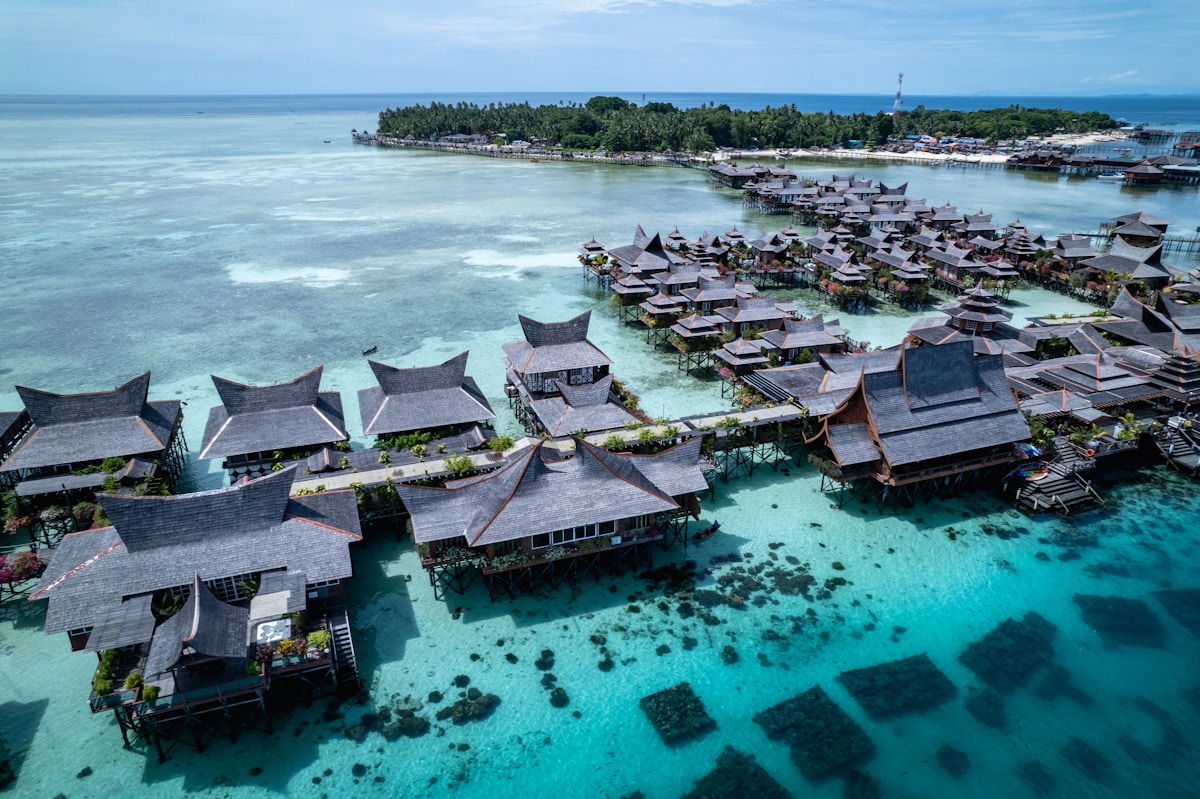
July is peak season for Malaysia’s east coast islands and one of the best months of the year for diving anywhere in the country. The southwest monsoon affects the west coast with afternoon showers, but conditions remain functional across all major destinations. School holidays drive domestic travel and push accommodation prices up at beach resorts - book ahead if the Perhentians or Redang are on your list.
Weather Across the Regions
Kuala Lumpur averages 28–33°C with afternoon thunderstorms most days. The southwest monsoon brings moisture from the Straits of Malacca, but mornings are typically clear and warm. Rain rarely lasts more than an hour. Humidity is high - indoor attractions with air conditioning are worth scheduling during the 2–5pm window.
Penang is in its wetter period. Afternoon and evening showers are frequent but Georgetown’s street food scene and covered hawker centres operate regardless. Average monthly rainfall sits around 170–200mm, spread across 15–17 rain days. Mornings are sunny and the food scene is at full strength.
Langkawi catches the edge of the southwest monsoon. Seas on the western side can be rougher than the December–April peak, and some island-hopping boat trips may be affected. The interior attractions - the SkyCab cable car, mangrove tours, and Kilim Geopark - run normally. Langkawi still works in July, but it is not at its best.
East coast (Perhentian Islands, Redang, Lang Tengah, Tioman) is in peak season. The South China Sea is calm, visibility reaches 15–25 metres at the better dive sites, and snorkelling conditions are excellent. July and August are the two strongest months for the east coast - this is when to go if marine life is a priority. Whale sharks occasionally appear around Perhentian Besar during this window, though sightings are not guaranteed.
Borneo (Sabah and Sarawak) is in good shape. Sipadan diving peaks from July through September - calm conditions and strong currents attract large pelagic species including barracuda tornados and resident green turtles. Kota Kinabalu is relatively dry. The Danum Valley and Kinabatangan River are accessible for wildlife watching, with orangutan sightings at Sepilok consistent year-round.
Cameron Highlands offer relief from the lowland heat. Temperatures hover around 15–22°C regardless of season, making the highlands a year-round escape. Tea plantations, mossy forests, and strawberry farms are all open.
Festivals and Events
Hari Raya Haji (Eid al-Adha) falls in July in some years, depending on the Islamic calendar. This is a public holiday across Malaysia - mosques hold morning prayers and families gather for open houses. If your dates overlap, expect domestic travel surges similar to Hari Raya Aidilfitri, though slightly less intense. Accommodation in kampung (village) areas and east coast towns fills quickly.
KL Mega Sale Carnival runs from June through September. Major malls across Kuala Lumpur - Pavilion, Suria KLCC, Mid Valley - offer discounts of 30–70% on fashion, electronics, and local brands. If shopping is part of your KL plan, July falls squarely in the sale window.
George Town Festival in Penang runs through July and August with street performances, art installations, and cultural events across the UNESCO heritage zone. It adds a layer of activity to an already compelling food-and-heritage destination.
Durian Season
July is the tail end of the west coast durian season, which peaks from June through August. Penang’s Balik Pulau area is famous for premium Musang King and D24 varieties, with roadside stalls and durian farms open for tasting. Prices drop slightly from the June peak as supply increases. KL’s SS2 durian street in Petaling Jaya is a popular spot for late-night durian sessions. If you have never tried durian, this is the month - the west coast fruit is considered superior to imports.
Costs and Crowds
July falls within the Malaysian school holiday period (roughly mid-June to late August), which increases domestic pressure on beach resorts and island accommodation. Perhentian and Redang room rates are at their annual peak - 30–50% above shoulder season. Book 6–8 weeks ahead for popular island resorts.
KL hotels remain relatively stable in price and offer good value. International visitors benefit from favourable exchange rates throughout the year. Budget hawker meals in KL, Penang, and Ipoh cost RM 5–12 regardless of season.
What to Do in July
The Perhentian Islands should be the priority for divers and snorkellers - this is the window. Sipadan permits (limited to 120 per day) require advance booking through licensed dive resorts in Semporna; do not leave this until arrival.
Borneo wildlife watching is strong. The Kinabatangan River in Sabah offers boat safaris with reliable sightings of proboscis monkeys, pygmy elephants, and hornbills. The Sepilok Orangutan Rehabilitation Centre feeding times (10am and 3pm) are open to visitors daily.
For those staying on the Peninsula, a Penang–Cameron Highlands–KL loop covers food, cool highlands, and city culture without needing to compete for east coast island rooms.
The Bottom Line
July is one of Malaysia’s strongest months for diving, marine life, and fruit. The east coast is at its peak, Sipadan is world-class, and durian season is in full swing. The west coast is functional despite afternoon rain, and KL’s mega sale adds shopping incentive. Plan around school holiday pricing by booking island accommodation early.
Get a Malaysia eSIM, Compare travel insurance, or Browse tours and activities.
Plan Your July Trip
- Semporna travel guide - Sipadan is at its best in July with peak whale shark season and outstanding coral reef diving
- Perhentian Islands travel guide - peak season with best visibility; book ahead as June–August fills fast
- Sandakan travel guide - Kinabatangan pygmy elephant sightings peak in July; Sepilok orangutans daily
- Penang travel guide - durian season in full swing; head to Balik Pulau for the freshest Musang King from local orchards
- Best time to visit Malaysia - full month-by-month breakdown and the best season for each region
Plan Your Trip
✈️ Book your flights to Malaysia 🛡️ Get travel insurance 📱 Stay connected with an eSIM 🚗 Rent a car 🏨 Search hotels in Malaysia on Booking.com