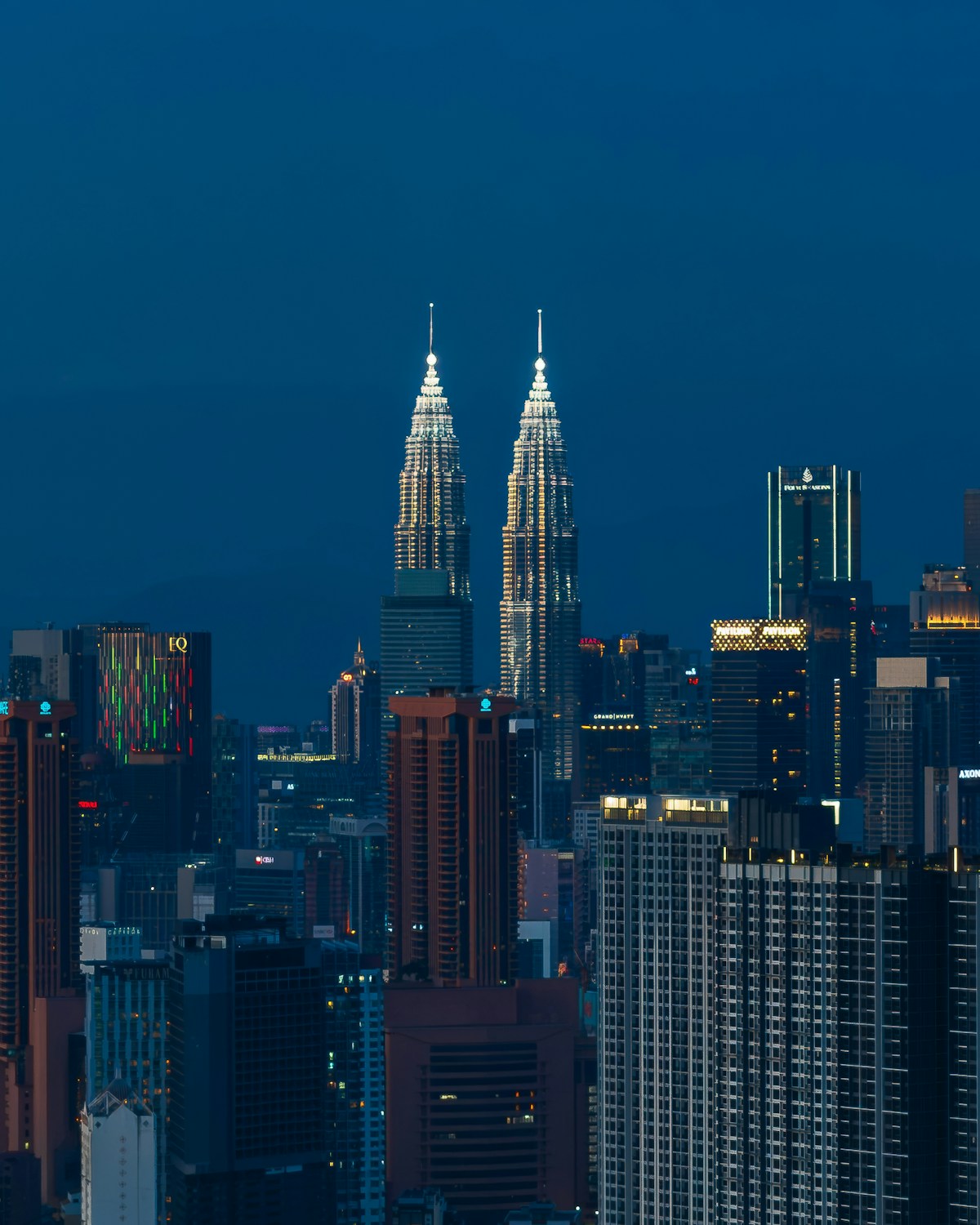
The Singapore Institute of International Affairs (SIIA) and Malaysia’s Department of Environment have both flagged August–September 2026 as a high-risk period for transboundary haze, driven by intensifying hotfires in Sumatra and Kalimantan. Multiple monitoring stations in Peninsular Malaysia registered “Red” API (Air Pollutant Index) readings — above 200 — during late July, indicating unhealthy to very unhealthy air quality.
What “Red” API Means
Malaysia’s API scale:
- 0–50: Good
- 51–100: Moderate
- 101–200: Unhealthy (sensitive groups affected)
- 201–300: Very unhealthy (Red — all groups affected)
- 300+: Hazardous (emergency measures may apply)
Readings above 200 trigger health advisories from the Ministry of Health, school closures in the worst-affected districts, and voluntary limits on outdoor activity. Several districts in Selangor and Perak breached 200 during the final week of July.
Affected Areas and Current Situation
Kuala Lumpur and the Klang Valley have seen intermittent haze throughout July, with visibility reduced to under 3 km on the worst days. The situation is dynamic — readings fluctuate with wind direction and rainfall.
Penang recorded moderate readings in late July with localized spikes on days when winds carried smoke directly from Sumatra across the Strait of Malacca.
Sabah and Sarawak are experiencing some of the most severe air quality impacts in East Malaysia due to local agricultural burning.
Practical Advice for Visitors
- Check the MyAQI app or DOE’s real-time API portal before outdoor activities each morning
- Carry and use an N95 mask — standard surgical masks offer very limited filtration of fine particulate matter
- Consider rescheduling rooftop bars, outdoor markets, and nature activities (Batu Caves, Taman Negara trails) to indoor alternatives on red-alert days
- Travellers with asthma or respiratory conditions should carry medication and consider an itinerary review
Our Kuala Lumpur city guide lists a range of indoor alternatives for haze days — galleries, air-conditioned food courts, shopping centres, and museum complexes. Our Penang guide similarly notes which island activities are best moved indoors during August haze season.
For general health planning, see our health and vaccinations page. Given the risk of itinerary changes during haze season, travel insurance for Malaysia is worth having in place before you arrive.
Forecast
The September–October period typically sees some improvement once the southwest monsoon weakens and ASEAN haze negotiation pressure mounts. However, above-average El Niño-related dryness forecast for 2026 means elevated risk is likely to persist through September.