Malaysian Borneo splits between two states: Sabah (northeast, wildlife and mountains) and Sarawak (northwest, rainforest and indigenous culture). This 10-day route covers both, starting with Sabah’s headline attractions and finishing in Kuching, Sarawak’s underrated capital.
Route overview
| Days | Destination | Focus |
|---|---|---|
| 1–2 | Kota Kinabalu | City, islands, seafood |
| 3–4 | Mt Kinabalu | Summit climb (4,095m) |
| 5 | Sandakan | Orangutans, sun bears |
| 6–7 | Kinabatangan River | Wildlife river cruises |
| 8–9 | Semporna / Mabul | Diving and snorkelling |
| 10 | Kuching | Sarawak culture, food |
Budget overview (per person, 10 days)
| Category | Budget | Mid-range |
|---|---|---|
| Accommodation | MYR 500–1,000 | MYR 2,000–4,000 |
| Food | MYR 300–500 | MYR 700–1,200 |
| Transport (flights + local) | MYR 600–1,000 | MYR 800–1,300 |
| Activities & tours | MYR 1,200–2,000 | MYR 2,500–4,500 |
| Total | MYR 2,600–4,500 (USD 560–970) | MYR 6,000–11,000 (USD 1,300–2,375) |
All prices approximate as of 2026. Activities (Mt Kinabalu climb, Sipadan diving, Kinabatangan lodge) are the largest cost category in Borneo - budget accordingly.
Days 1–2: Kota Kinabalu
Getting there
Fly into Kota Kinabalu International Airport (BKI). AirAsia, Malaysia Airlines, and Firefly operate direct flights from KL (2.5 hours, from approximately MYR 120–300 one way). International flights arrive from Singapore, Hong Kong, Seoul, and several Chinese cities.
Grab from the airport to the city centre costs approximately MYR 15–25 (15 minutes).
You will clear Sabah immigration on arrival - carry your passport even on domestic flights.
Day 1: KK city and waterfront
Afternoon: Walk the KK waterfront - the city faces the South China Sea with Mt Kinabalu as a backdrop on clear days. Visit the Sabah State Museum (entry approximately MYR 15) for an overview of Borneo’s indigenous cultures, natural history, and WWII history.
If you arrive on a Sunday, the Gaya Street Sunday Market runs 07:00–13:00 - hundreds of stalls selling handicrafts, jungle produce, plants, and street food.
Evening: KK Waterfront Night Market - the open-air seafood market is one of Borneo’s great food experiences. Grilled fish with sambal from approximately MYR 15–20, tiger prawns from approximately MYR 25 per plate, stingray in banana leaf from MYR 12. Point at the seafood you want and the stall grills it to order.
Stay:
- Budget: Borneo Backpackers - dorms from approximately MYR 35/night. Social, well-located.
- Mid-range: Jesselton Hotel - from approximately MYR 200/night. Heritage building, central.
- Comfort: Hyatt Centric Kota Kinabalu - from approximately MYR 400/night. Waterfront, pool, modern rooms.
Search hotels in Kota Kinabalu on Booking.com.
Day 2: Island hopping - Tunku Abdul Rahman Marine Park
Morning: Speedboat from Jesselton Point Ferry Terminal to the marine park islands - Sapi Island and Manukan Island have the best snorkelling. Return boat ticket approximately MYR 30–50. Island entry fee approximately MYR 10 per island.
Snorkel set rental from approximately MYR 20–30. The coral starts close to shore, especially off Sapi’s northern beach. Sea kayak rental from approximately MYR 30 per hour.
Pack water and snacks - island stall food is overpriced (nasi goreng from MYR 15–20).
Afternoon: Return to KK. Walk through Filipino Market (Handicraft Market) - pearls, woven baskets, and wood carvings. Bargaining is expected.
Evening: Dinner at Wah May Kopitiam - Sabahan-style kolo mee (from MYR 7), kopi-o (from MYR 3), roti kahwin (toast with butter and kaya jam, from MYR 3).
Late evening: Head to Signal Hill Observatory Platform for sunset/twilight views over KK and the islands. Free entry.
Days 3–4: Mt Kinabalu
Getting there
Minivan or bus from KK to Kinabalu Park HQ at 1,563m - approximately 2 hours, from MYR 25–35. Grab costs approximately MYR 120–150 for the one-way trip.
The 2-day climb
Day 3 - Timpohon Gate to Laban Rata (6km, 1,563m → 3,273m):
Arrive Kinabalu Park HQ by 08:00. Registration, briefing, and guide assignment. The climb starts at Timpohon Gate (1,866m) - a 15-minute shuttle from HQ.
The trail is well-maintained with wooden steps and handrails in steep sections. No technical skills required, but 6km of continuous uphill over 4–6 hours is physically demanding. The vegetation transitions from tropical rainforest to cloud forest to alpine scrub.
Arrive Laban Rata resthouse (3,273m) in the afternoon. Dinner and sleep are included in the package. The accommodation is basic - bunk beds, shared bathrooms, buffet meals. Set your alarm for 02:00.
Day 4 - Summit push and descent (Low’s Peak, 4,095m):
Depart Laban Rata at 02:30. The final 2.7km to Low’s Peak crosses exposed granite slabs - headtorch essential, fixed ropes provided. Most climbers reach the summit by 05:30–06:00 for sunrise.
On a clear morning, the sunrise from 4,095m reveals Borneo’s spine of mountains, the Crocker Range, and the coast. Cloud cover is common - summit views are never guaranteed but are spectacular when they happen.
Descend to Laban Rata for breakfast, then continue down to Timpohon Gate (total descent approximately 5–7 hours). Collect your certificate at Park HQ.
Cost breakdown (as of 2026):
| Item | Cost (approx.) |
|---|---|
| Climbing permit (foreigner) | MYR 200 |
| Mountain guide (mandatory, per group) | MYR 230 |
| Laban Rata accommodation + meals | MYR 450–600 |
| Insurance | MYR 7 |
| Porter (optional) | MYR 130+ |
| Total per person (2 sharing a guide) | MYR 780–950 (USD 168–205) |
Book through Sutera Sanctuary Lodges - the sole concessionaire for Laban Rata accommodation. Slots fill up 2–4 weeks ahead in peak season (March–April, July–August). Book at least 1 month ahead.
Alternative: If the summit climb is too demanding, the Kinabalu Park nature trails at 1,500m are excellent for birdwatching and montane forest walks (park entry MYR 15, no guide required).
Return to KK in the evening or stay overnight at Kinabalu Park.
Day 5: Sandakan - Orangutans and Sun Bears
Getting there
Fly KK to Sandakan (50 minutes, AirAsia from approximately MYR 70–150). The bus takes 6 hours - the flight is worth the premium.
Sepilok
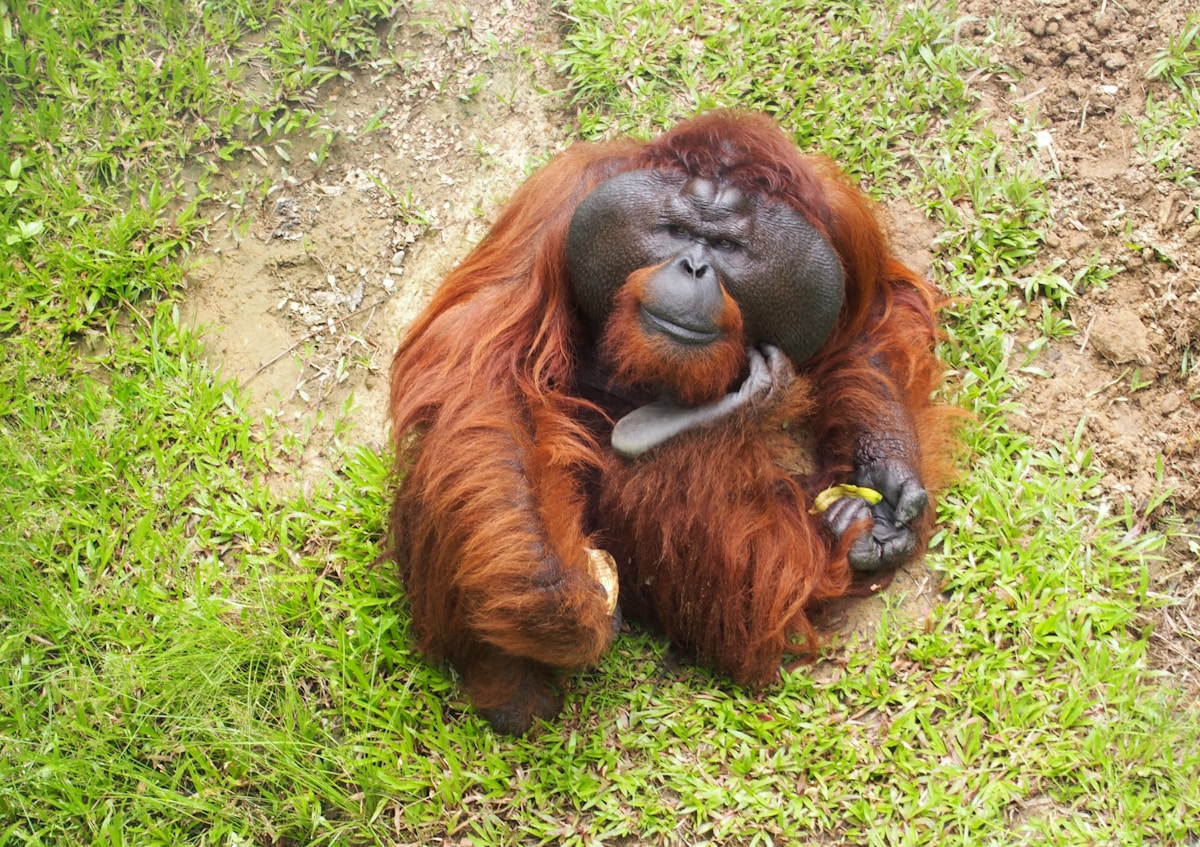
Sepilok Orangutan Rehabilitation Centre - entry approximately MYR 30 for foreigners as of 2026. Feeding platforms at 10:00 and 15:00 - arrive 30 minutes early for a good viewing spot. The 10:00 session typically draws more orangutans.
The centre rehabilitates orphaned and rescued orangutans for release into the wild. The feeding platform allows you to observe semi-wild orangutans in a natural canopy setting.
Walk next door to the Bornean Sun Bear Conservation Centre - entry approximately MYR 30. The bears are most active during morning feeding (09:30). The elevated boardwalk offers close views without disturbing the animals.
Rainforest Discovery Centre (adjacent to Sepilok) - entry approximately MYR 15. The canopy walkway sits 28m above the forest floor and is excellent for birdwatching - Bornean bristleheads and eight species of hornbill are recorded here.
Afternoon: Transfer to Sukau on the Kinabatangan River (approximately 2.5 hours by road). Most lodges include this transfer.
Days 6–7: Kinabatangan River
Why Kinabatangan
The Lower Kinabatangan is one of the easiest places in Borneo to see wildlife in the wild. The river corridor supports all of Borneo’s primate species - orangutans, proboscis monkeys, gibbons, and several macaque species - plus pygmy elephants, crocodiles, hornbills, and storm’s storks.
What to expect
Most lodges operate three river cruises per day:
- Dawn cruise (05:30–07:30): Best for proboscis monkeys, elephants, and hornbills. The river is calm and animals come to the banks to drink.
- Afternoon cruise (15:30–18:00): Proboscis monkeys return to riverside sleeping trees. This is the most reliable viewing window.
- Night cruise (20:00–21:30): Spotlight cruise for crocodiles, civets, kingfishers, and sleeping birds. The night sounds of the Borneo rainforest are worth the trip alone.
Between cruises, lodges offer oxbow lake walks and jungle treks. Leeches are present on forest trails - wear long socks and leech-proof gaiters if your lodge provides them.
Lodge options
- Bilit Rainforest Lodge - from approximately MYR 450 per person for 2D1N package (meals, transfers, 3 boat cruises). Mid-range, experienced guides.
- Kinabatangan Wetlands Resort - from approximately MYR 350 per person for 2D1N. Budget option, same river.
- Sukau Rainforest Lodge - from approximately MYR 1,200 per person for 2D1N. Upscale, National Geographic–affiliated, excellent guides.
Search Kinabatangan River lodges on Booking.com.
A 3D2N package (2 full days of cruises) significantly increases your chances of seeing elephants and orangutans.
Days 8–9: Semporna and Mabul Island
Getting there
Overland from Kinabatangan to Semporna (5–6 hours by shared van, approximately MYR 60–80 per person). Alternatively, return to Sandakan and fly to Tawau (30 minutes, from approximately MYR 80), then Grab from Tawau to Semporna (approximately MYR 50–70, 1 hour).
Diving and snorkelling
Semporna is the gateway to Sipadan - consistently ranked among the world’s top 5 dive sites. The wall dives drop from 1m to 600m and support massive schools of barracuda, jacks, bumphead parrotfish, and resident green and hawksbill turtles.
Sipadan logistics: Limited to 120 divers per day via permit. Book through a licensed dive operator 4–8 weeks ahead, especially for April–September (peak visibility).
Day 8 - Sipadan (if permit secured): 3-dive day trip from approximately MYR 800–1,200 per person. Includes permit, boat, tanks, weights, lunch. Highlight dives: Barracuda Point (tornado of barracuda), South Point (manta rays in season), Turtle Tomb (advanced - underwater cave with turtle skeletons).
Day 9 - Mabul/Kapalai: Even without a Sipadan permit, the house reefs around Mabul are world-class for macro diving - pygmy seahorses, blue-ringed octopus, flamboyant cuttlefish. Snorkelling day trips to Mabul from approximately MYR 150–250.
Non-divers: Snorkelling at Mabul and Kapalai is excellent. Turtles are common on the surface.
Where to stay
- Scuba Junkie Mabul - on Mabul Island. Dive packages from approximately MYR 500 per person per night including 3 dives.
- Sipadan-Kapalai Dive Resort - overwater chalets. From approximately MYR 1,500 per person for 3D2N including unlimited house reef diving.
- Semporna town: Budget hotels from approximately MYR 60/night. Use as a base for day trips if not staying on an island.
Search hotels in Semporna on Booking.com.
Day 10: Kuching, Sarawak
Getting there
Fly Tawau (nearest airport to Semporna) to Kuching. No direct flights - connect through KL or KK. AirAsia operates multiple daily flights on both routes. Total journey approximately 4–6 hours including layover. Budget approximately MYR 200–400 for the flights.
You will clear Sarawak immigration on arrival - passport required.
What to see
Kuching is compact and walkable. Even with a half-day, you can cover the highlights:
Kuching Waterfront: A 1km esplanade along the Sarawak River with views of the Astana (Governor’s Palace) and Fort Margherita across the water. Sampan (small boat) crossings cost MYR 1.
Sarawak Museum (Borneo Cultures Museum) - entry free. Malaysia’s best ethnographic museum, covering Iban longhouse culture, Orang Ulu art, and colonial history. Budget 1–2 hours.
Main Bazaar - the oldest commercial street in Kuching. Antique shops, tribal art, woven baskets, and Sarawak pepper. Good for last-minute shopping.
Food in Kuching:
- Choon Hui Cafe - Sarawak laksa (from MYR 8). Kuching’s version uses a coconut-prawn broth with bee hoon and is distinct from Penang laksa.
- Kek Seng Cafe - kolo mee (from MYR 6), the Sarawak noodle staple.
- Top Spot Food Court - rooftop hawker centre specialising in fresh seafood. Butter prawns from approximately MYR 25, midin (jungle fern) stir-fry from MYR 10.
If you have an extra day, add the Semenggoh Wildlife Centre (20 minutes from Kuching, entry approximately MYR 10) - semi-wild orangutan feeding at 09:00 and 15:00. Smaller and less crowded than Sepilok.
What to pack for Borneo
- Leech socks or gaiters - essential for Kinabatangan jungle treks and Mt Kinabalu.
- Headtorch - required for the Mt Kinabalu summit push and useful for night walks.
- Quick-dry clothing - humidity is 80–95% and rain is frequent.
- Waterproof dry bag - protects electronics on river cruises and island boats.
- DEET insect repellent - mosquitoes carry dengue; apply at dawn and dusk.
- Reef-safe sunscreen - required near marine parks.
- Layers for Mt Kinabalu - temperatures at Laban Rata (3,273m) drop to 5–10°C at night. The summit can reach 0°C with wind chill.
- Dive certification card - if planning to dive at Sipadan/Mabul. Minimum Open Water required.
- Cash (MYR) - ATMs are scarce in Kinabatangan and Semporna. Withdraw in KK or Sandakan.
When to go
| Month | Condition |
|---|---|
| March–April | Dry season starts, clear summit views on Kinabalu, diving season opens |
| May–August | Peak diving visibility at Sipadan, busiest for Mt Kinabalu |
| September–October | Shoulder season, fewer crowds, still good conditions |
| November–February | Wet season in Sabah - river levels high (good for Kinabatangan wildlife), diving visibility reduced, Mt Kinabalu often cloud-covered |
The Kinabatangan River is actually excellent in the wet season - rising water levels push wildlife to the riverbanks where they are easier to spot from boats. For everything else on this route, March–October is the stronger window.
Browse tours and day trips or Get a Malaysia eSIM.
Deeper Guides for This Route
- Kota Kinabalu travel guide - full city guide including diving at Tunku Abdul Rahman Marine Park and Kinabalu Park logistics
- Climbing Mount Kinabalu guide - permit booking, training requirements, what to pack, and what to expect on summit day
- Sandakan travel guide - Sepilok orangutans, Kinabatangan River lodge options, and Sandakan Death March Memorial
- Kinabatangan River cruise guide - lodge comparison, what to see by season, and booking logistics
- Semporna travel guide - Sipadan permit process, dive operator comparison, and Mabul island accommodation
- Sipadan diving guide - world-class dive sites, permit logistics, and the best time to go
- Kuching travel guide - Sarawak’s capital: Bako National Park, Semenggoh orangutans, and Sarawak laksa
- Two-weeks Borneo and Malaysia itinerary - an extended version combining this route with peninsular Malaysia
- Last-minute Malaysia tours - same-week Borneo tour packages and guided activity openings
Book Your Trip
- Flights - Find the best fares to Malaysia
- Travel Insurance - Get covered before you go
- eSIM - Stay connected from landing
- Airport Transfers - Pre-book your transfer from Kuala Lumpur International
- Car Rental - Compare prices across providers
- Tours & Activities - Browse Malaysia tours on GetYourGuide