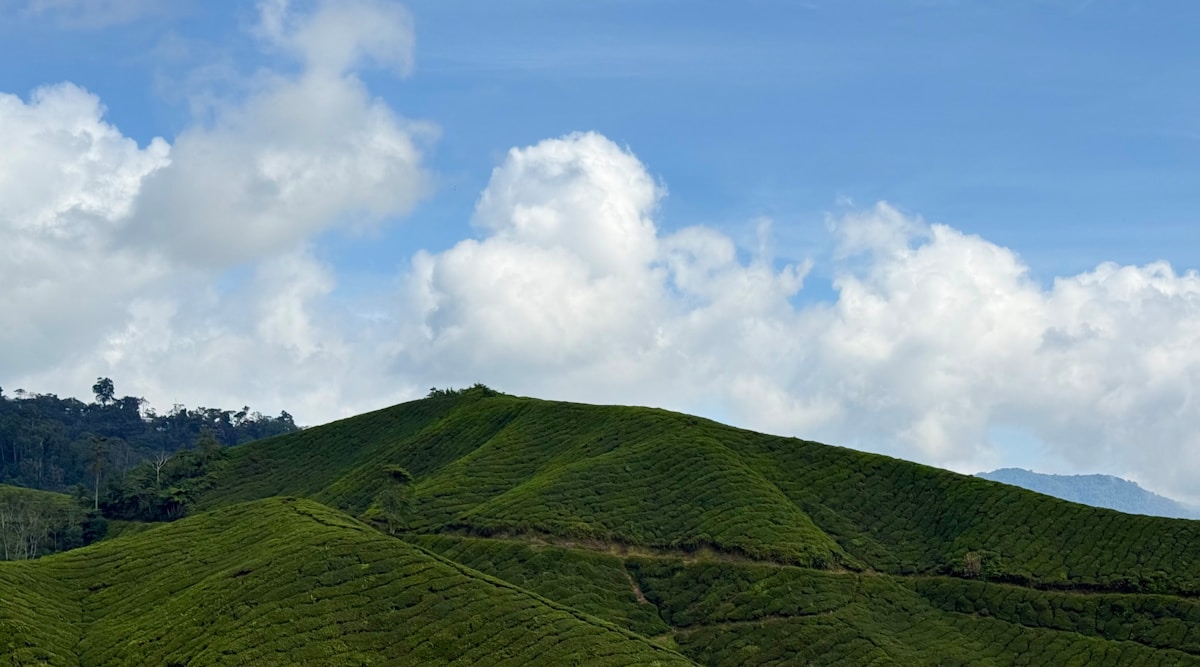
Tea cultivation defines the visual character of Cameron Highlands more than any other single element. The rows of closely cropped Camellia sinensis plants covering steep hillsides - a deep, consistent green against the cooler highland sky - are what most visitors picture when they think of the region. That image comes almost entirely from the BOH Tea Company’s Sungai Palas estate.
Why Cameron Highlands Produces Tea
Tea plants grow best in conditions that Cameron Highlands provides almost by accident: altitude above 1,000 metres (slowing growth and concentrating flavour), consistent rainfall, moderate temperatures, and well-drained hillside slopes. The British colonial administration planted the first Cameron Highlands tea estates in the 1920s and 1930s, recognising the similarity of conditions to Darjeeling and the Nilgiris.
BOH Tea Company was founded in 1929 - the name stands for “Boh,” a place in Pahang - and has grown to become the largest tea producer in Southeast Asia. Cameron Bharat, established later, is the second significant estate in the Highlands. Together they produce most of the tea that Malaysians drink daily and that appears on supermarket shelves across the country.
BOH Sungai Palas Tea Centre
The Sungai Palas estate in upper Cameron Highlands is the most photographed site in the region and the one most visitors include in their itinerary. The public visitor centre sits at the top of the estate, with a glass-fronted tearoom looking directly out over the rows of tea bushes on the slope below. On clear mornings the view extends down the valley.
Visiting: Entry is free. The tearoom serves BOH tea by the pot (RM6–9), along with scones, cakes, and sandwiches. The tea factory below the centre can be viewed through windows - the withering racks, rolling machines, and drying chambers are visible from the path.
Hours: Tuesday to Sunday, 9am to 4.30pm. Closed Mondays.
Getting there: By car, 25 minutes from Tanah Rata via the Brinchang road and then a steep estate road. The estate road is narrow - passing oncoming vehicles requires care. By taxi, RM25–35 from Tanah Rata. Grab does not reliably reach Sungai Palas.
Best time: Mornings on weekdays. Weekend afternoons are the most crowded - the viewing deck and car park fill quickly. Arriving before 10am on a Tuesday to Friday gives the best combination of clear skies and fewer visitors.
Cameron Bharat Tea Estate
Located near Ringlet in the southern part of Cameron Highlands, Cameron Bharat is smaller than BOH and receives fewer visitors - an advantage if you prefer a less crowded experience.
Guided factory tours run approximately 45 minutes and cover the complete production process:
- Withering: Freshly picked leaf is spread on long mesh racks and left overnight, losing 40–50% of its moisture. This makes the leaf flexible enough to roll without breaking.
- Rolling: Rolling machines twist and break the leaf cells, releasing enzymes that begin oxidation. The degree of rolling affects the final tea character.
- Oxidation (fermentation): The rolled leaf is left in a cool, humid room. The longer the oxidation, the darker and stronger the tea - black tea is fully oxidised; green tea is not oxidised at all; oolong sits between the two.
- Drying: The oxidised leaf passes through drying chambers, halting the chemical process and fixing the flavour profile.
- Grading and sorting: Mechanical sieves separate the dried tea by particle size - the different grades (BOP, FBOP, dust) are sold to different buyers.
Tour cost: RM25. Weekend bookings are advisable - call ahead or book through your guesthouse.
Browse tours and activities, Get a Malaysia eSIM, or Compare travel insurance.
Buying Tea
At the estates: Both BOH and Cameron Bharat sell directly at their visitor centres. BOH teas are also available at supermarkets and convenience stores across Malaysia - the estate centre prices are not significantly cheaper, but the selection is wider.
As souvenirs: Cameron Bharat teas make better souvenirs than BOH for one practical reason: they are less widely available outside the Highlands. A box of Cameron Bharat Gold or Cameron Bharat Premium is something the recipient is unlikely to have encountered before.
The full range of Cameron Highlands activities - including the mossy forest, strawberry farms, and Brinchang market - sits alongside the tea estates for a two-day itinerary. For accommodation, search hotels in Cameron Highlands on Booking.com.