The Cameron Highlands sits at 1,400–1,800 metres above sea level - cool enough that a jacket is practical in the evenings, and cool enough that the food culture is shaped by that climate as much as by any culinary tradition. The highlands produce tea, strawberries, and vegetables that supply lowland supermarkets across Malaysia, and several of these products are best consumed here where freshness and price both favour the visitor.
The main towns for eating are Tanah Rata (the most visitor-friendly, with the greatest concentration of restaurants) and Brinchang (slightly higher altitude, more local in character, good for the morning market).
Tea
BOH and Cameron Valley are the two plantation brands grown in the highlands, and both operate plantation cafes where you can drink the tea overlooking the fields where it was grown. BOH’s Sungai Palas plantation cafe (above Brinchang) is the better-known stop - open daily except Monday, no entry fee, simple food and a view of the terraced bushes. Cameron Valley Tea House near Habu is quieter and less visited.
Cream tea with scones - a colonial inheritance that never quite left the highlands - is available at the Cameronian Inn and at the Cameron Highlands Resort, the latter with more formal service and a price to match. For a straightforward pot of locally grown tea without the scones, every hawker stall and kopitiam in Tanah Rata serves BOH as a matter of course; it costs RM1.50–2.50 per cup and is unremarkable precisely because it is the standard.
Where to eat it: Boh Sungei Palas Tea Centre (Brinchang Road) - Boh’s hilltop visitor centre with a glass-fronted café overlooking the plantation; free entry, tea and scones. Cameron Highlands Resort (Tanah Rata) for formal afternoon tea.
Steamboat (Hot Pot)
The cool evening temperatures make steamboat the dominant dinner option in Cameron Highlands, and Tanah Rata town centre has dozens of steamboat restaurants within a few hundred metres of each other. The format is a pot of boiling broth at the centre of the table - typically clear chicken, tom yam, or dual-flavour - with plates of raw ingredients: thinly sliced beef and mutton, fish balls, tofu, vegetables, mushrooms, and glass noodles, cooked at the table by the diner.
Prices run RM20–40 per person including the broth and a selection of ingredients, with drinks on top. The restaurants are busy on weekend evenings and during Malaysian school holidays; the quality difference between establishments is small. Some restaurants operate on a fixed-price buffet model; others charge per plate of ingredients. Either works. The experience of eating something hot in a cool mountain evening is most of the appeal.
Where to eat it: Kwan Kee Restaurant (Tanah Rata) - long-running steamboat specialist, the standard recommendation in town. Lord’s Café (Tanah Rata main road) for a more casual version.
Fresh Strawberries
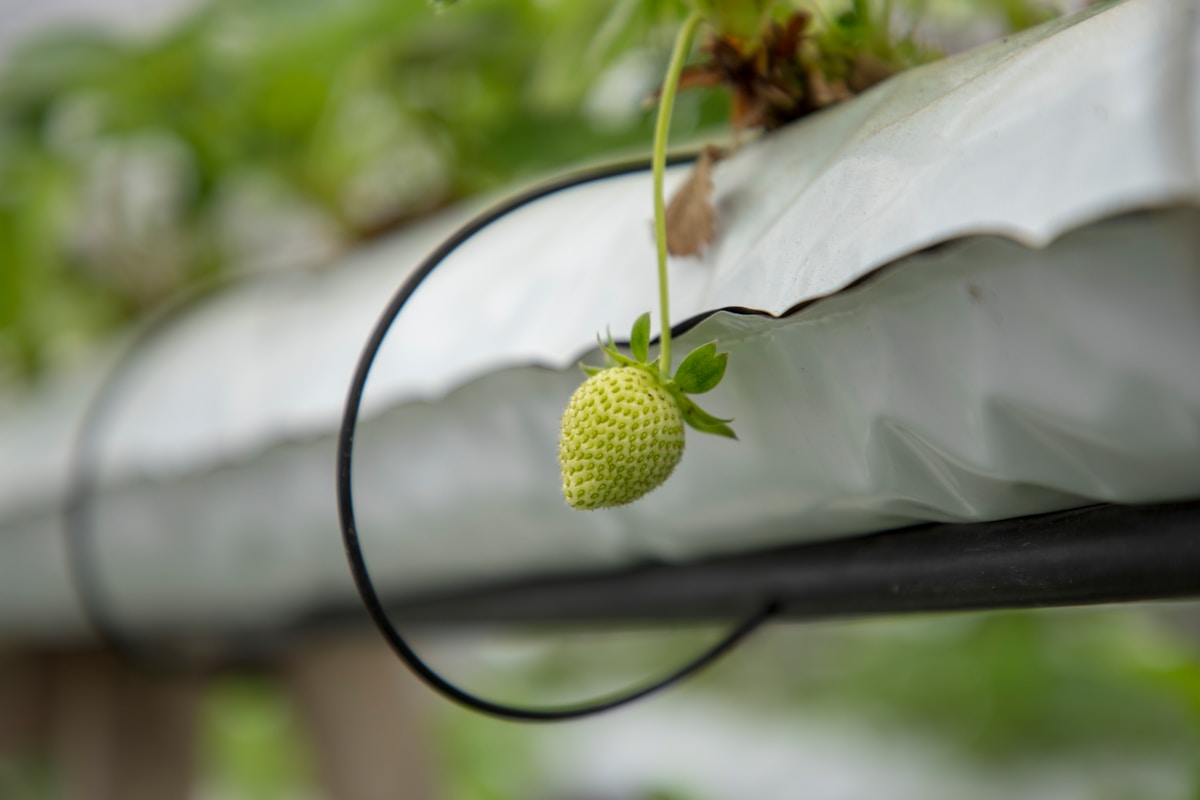
Strawberry farms line the main roads through the highlands - particularly between Brinchang and Tringkap - and most sell fresh berries by weight from roadside stalls. Prices are RM8–15 per punnet depending on size and season. The strawberries are smaller than the large commercial varieties common in supermarkets, firmer, and more flavourful when fresh.
Strawberry jam, strawberry juice, strawberry ice cream, and various strawberry-branded products are sold everywhere in the highlands; the jam is genuinely good and worth buying as a practical souvenir. The farms nearest Brinchang are the most accessible without a car.
Where to eat it: Roadside stalls and pick-your-own farms between Tanah Rata and Brinchang. Big Red Strawberry Farm (Brinchang) is the largest and most accessible.
Grilled Corn (Jagung Bakar)
Roadside stalls throughout the highlands sell grilled corn - sweetcorn ears cooked over charcoal and brushed with butter or margarine. The highland corn is notably sweeter than lowland varieties, attributed to the cooler growing conditions. A cob costs RM3–5 and is eaten immediately, standing at the stall. It is a minor food experience but a characteristic one.
Indian Food
The Tamil community in Cameron Highlands descends from the workers brought to the tea estates in the colonial period and is a substantial and permanent presence in the highlands. The Indian restaurants and mamak stalls in Tanah Rata produce some of the most reliable food in the area: roti canai with dal and curry costs RM2–4 per piece, banana leaf rice with multiple vegetable dishes and a protein runs RM12–18 per person. The Indian food is consistently good and open early - useful if you need breakfast before a morning hike or plantation visit.
Where to eat it: Restoran Kumari (Tanah Rata) - reliable mamak, open early, the standard local breakfast stop in town.
Take a Guided Food Tour of Cameron Highlands
Cameron Highlands has a food identity shaped by its altitude and unusual population: Malay families, the Tamil Indian tea estate community, Chinese market gardeners who supply half of Malaysia’s highland vegetables, and a wave of boutique cafes that arrived with the tourism boom. A guided food tour takes in the morning market in Brinchang, the strawberry farms, a tea estate tasting, and the Tamil mamak circuit in Tanah Rata — a spread that would take days of self-navigation to cover and is best understood with a guide who can explain how the tea estate history connects to the community that still cooks the food here.
Book a guided food tour of Cameron Highlands.
Highland Vegetables
The morning market in Brinchang (operating from around 6am to noon) sells the highland vegetables that are otherwise shipped to lowland cities: cabbage, Chinese cabbage, celery, pak choi, carrots, leeks, and several varieties of mushroom. Prices are a fraction of what the same produce costs in Kuala Lumpur. For visitors with kitchen access this is worth a visit; for others it is simply interesting to see the scale of production.
Where to eat it: Pasar Brinchang (Brinchang morning market) - the best place to buy and see highland produce; vendors also cook simple dishes on-site. The Saturday night market in Brinchang also has cooked vegetable options.
For more on planning a trip here, see our Cameron Highlands travel guide.