September is a transitional month across Malaysia. The southwest monsoon eases on the west coast, the east coast islands remain open but start watching the horizon for the approaching northeast monsoon, and Malaysia Day on September 16 brings a public holiday and cultural events. Pricing drops from the school holiday peak, making September a good value month for visitors willing to accept slightly less predictable weather on the islands.
Weather Across the Regions
Kuala Lumpur averages 28–32°C with the southwest monsoon weakening. Afternoon thunderstorms continue but become less frequent through the month. The haze season - caused by agricultural burning in Sumatra and Kalimantan - can affect KL and the west coast in September and October. On bad years, the Air Pollution Index spikes and outdoor activities become uncomfortable. Check the API forecast before booking outdoor excursions.
Penang improves through September as the southwest monsoon fades. Rainfall drops below August levels, and by late September conditions are noticeably drier. The food scene is unaffected by weather - hawker centres operate under cover year-round. Georgetown’s heritage zone is comfortable for walking in the mornings.
Langkawi enters a transition toward its best season. The southwest monsoon is losing strength, and by late September conditions approach the excellent October–April window. Early September can still be choppy on the western beaches, but the situation improves week by week.
East coast (Perhentian Islands, Redang, Lang Tengah, Tioman) remains open but this is the final weeks of the season. Most resorts stay open through September, though some begin closing in late September if early monsoon swells arrive. Diving conditions are still good - visibility averages 10–15 metres - but less consistent than the July–August peak. Check with specific resorts about their closing dates before booking.
Borneo is transitioning into increasingly dry conditions. Sipadan diving remains strong through September, and the Kinabatangan River is accessible for wildlife safaris. Kuching in Sarawak dries out relative to the earlier months. Mount Kinabalu summit attempts benefit from drier mornings, though afternoon cloud cover is standard.
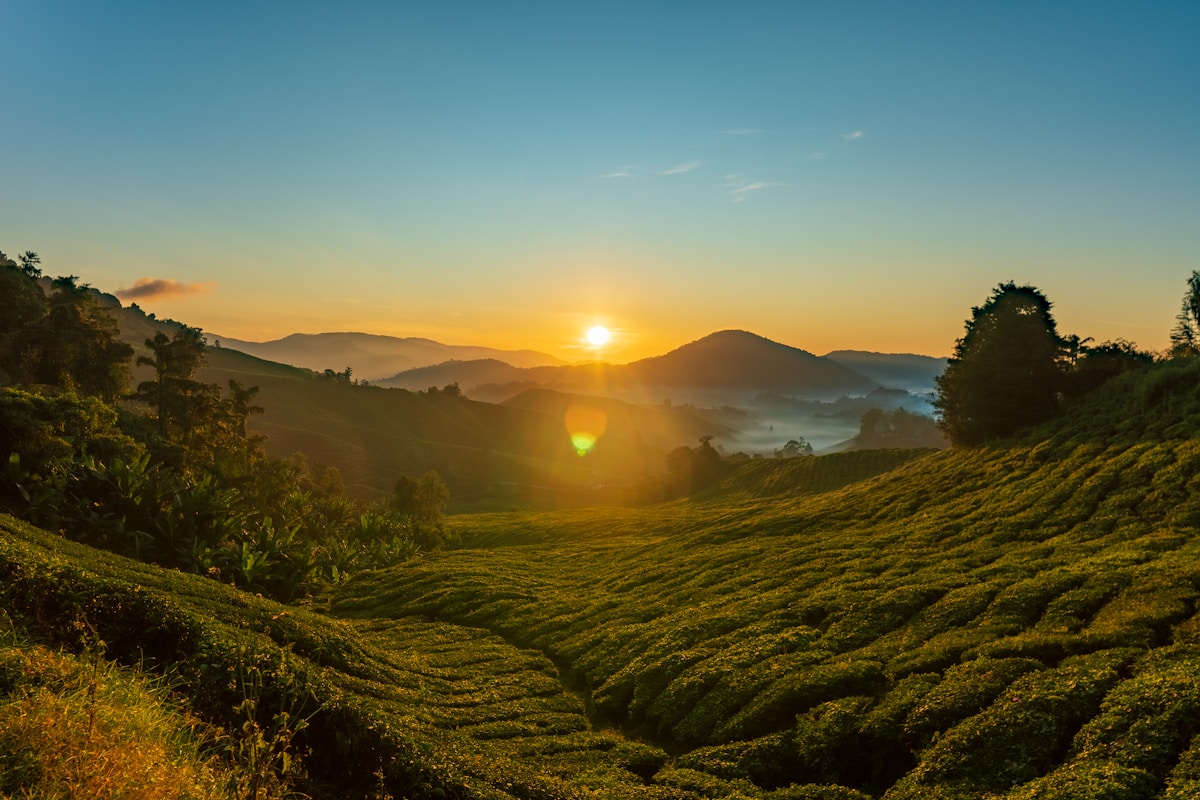
Cameron Highlands are in their element. Cool temperatures (15–22°C), tea plantations at peak green, and the Mossy Forest trail open for guided walks. The highlands are entirely unaffected by the monsoon transitions happening at sea level.
Festivals and Events
Malaysia Day (September 16) commemorates the formation of Malaysia in 1963, when Sabah, Sarawak, and Singapore joined the Federation of Malaya. This is a public holiday nationwide with celebrations particularly significant in Sabah and Sarawak, where the date carries more local resonance than Merdeka Day. Cultural performances, parades, and open-air events take place in Kota Kinabalu and Kuching. In KL, the celebrations are lower-key than Merdeka but still marked with events around Dataran Merdeka.
KL Mega Sale Carnival ends in September. The final weeks often bring the steepest markdowns as retailers clear stock. Pavilion KL, Suria KLCC, and Mid Valley are the primary destinations. If you have been putting off shopping, late September offers the best end-of-sale reductions.
Mid-Autumn Festival (Mooncake Festival) falls in September or early October depending on the lunar calendar. Malaysia’s Chinese community celebrates with mooncakes, lantern processions, and family gatherings. George Town in Penang and KL’s Chinatown both hold lantern displays and cultural performances. Mooncakes - dense pastries filled with lotus seed paste and salted egg yolk - are available at bakeries and hotel gift shops throughout the month.
Haze Season Advisory
September is historically the worst month for transboundary haze from Indonesian agricultural fires. Not every year is affected, and the severity varies dramatically. In bad years (2015 was the most severe on record), the API can exceed 200 and outdoor activities become inadvisable. Schools close, flights are occasionally disrupted, and face masks become necessary.
In mild years, you may not notice the haze at all. Monitor the Malaysian Department of Environment API readings in the weeks before your trip. KL, Penang, and Langkawi are the most affected areas; the east coast and Cameron Highlands are typically clearer.
Costs and Crowds
September is shoulder season. School holidays ended in late August, and the east coast islands are winding down. Accommodation prices drop 20–30% from the July–August peak at beach resorts and island properties. KL hotels are at their most affordable outside of the December festive period.
Domestic flights are competitively priced. AirAsia and Malaysia Airlines sales for September travel often appear in July–August. Borneo flights to Kota Kinabalu and Sandakan are good value compared to the school holiday months.
What to Do in September
If the east coast islands are your target, go early in September - conditions deteriorate as the month progresses, and you risk resort closures in late September. Sipadan diving remains strong through the full month.
Attend Malaysia Day celebrations in Kota Kinabalu or Kuching on September 16 for a cultural experience with genuine local significance, particularly in Borneo where indigenous communities play a central role.
KL is comfortable for city exploration - the Petronas Towers, Islamic Arts Museum, and Batu Caves benefit from slightly cooler conditions as the southwest monsoon fades. Pair KL with a Cameron Highlands retreat for a city-and-highlands itinerary that avoids monsoon risk entirely.
The Bottom Line
September is a good-value transitional month. The east coast is still accessible (but book early in the month), Borneo is increasingly dry, and the west coast is improving. Malaysia Day adds a cultural event worth planning around, and prices are lower than the school holiday peak. Watch the haze forecast - it is the one variable that can affect an otherwise solid September trip.
Get a Malaysia eSIM, Compare travel insurance, or Browse tours and activities.
Plan Your September Trip
- Kota Kinabalu travel guide - Malaysia Day (September 16) has its biggest celebrations in Sabah; good conditions for Kinabalu climb
- Semporna travel guide - Sipadan diving remains excellent through September; last chance before conditions shift
- Langkawi travel guide - west coast transitioning to dry season; late September offers improving beach conditions at lower prices
- Kuala Lumpur travel guide - comfortable city exploring with fewer crowds and good hotel rates before the festive season
- Best time to visit Malaysia - full month-by-month breakdown and the best season for each region
Plan Your Trip
✈️ Book your flights to Malaysia 🛡️ Get travel insurance 📱 Stay connected with an eSIM 🚗 Rent a car 🏨 Search hotels in Malaysia on Booking.com