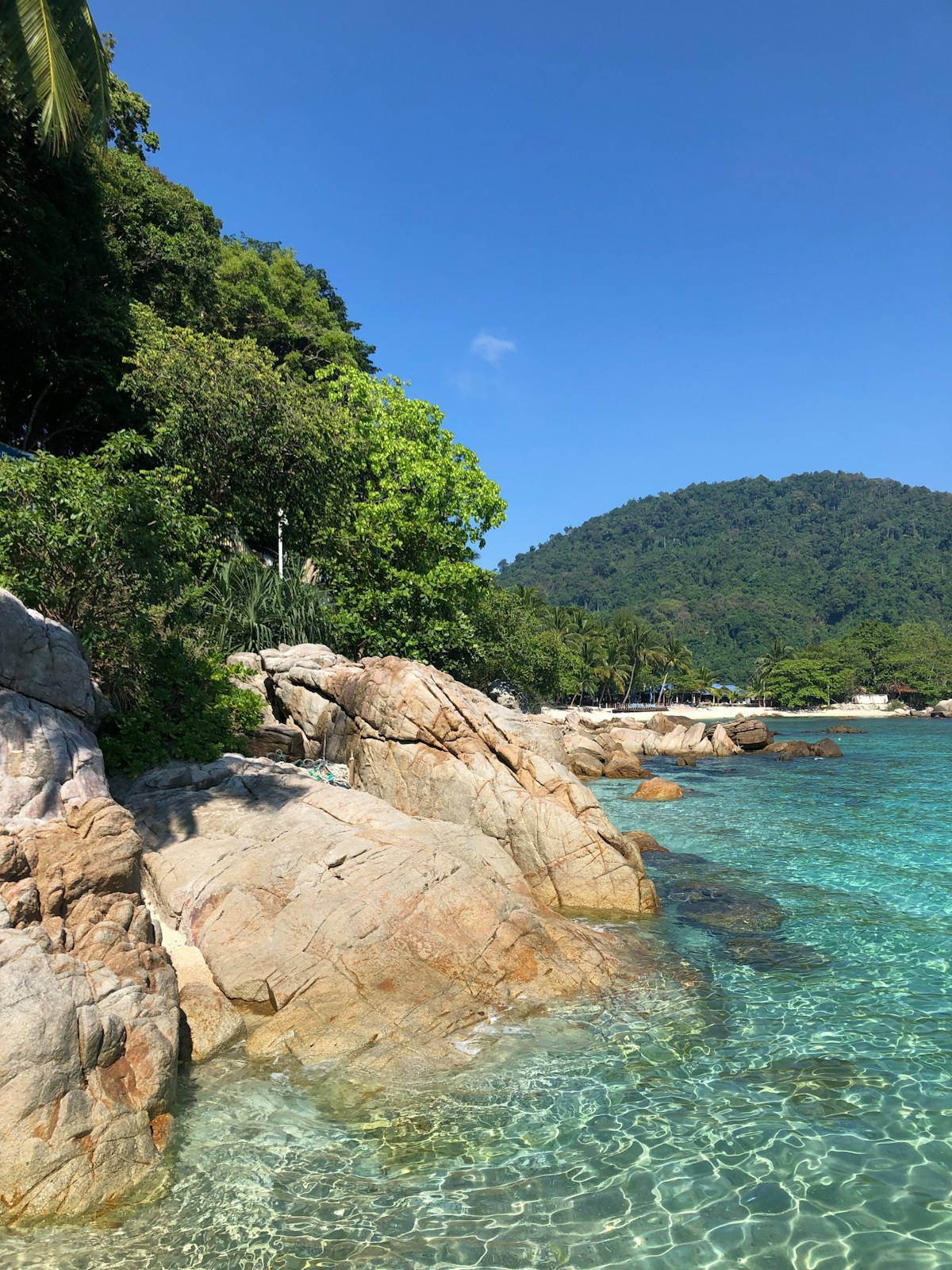
Malaysia’s east coast is home to some of the best island beaches in Southeast Asia, and the Perhentians and Redang consistently top the list. They are both closed during the Northeast Monsoon, both serve primarily as water-based destinations, and both attract travellers looking to disconnect from the mainland for a few days. The differences matter, though: the Perhentians are independent-traveller territory with a social beach scene and budget options; Redang runs primarily on full-board packages and appeals to a slightly more comfort-oriented crowd. Understanding those differences saves a lot of planning confusion.
What Each Island Offers
The Perhentian Islands are actually two islands: Pulau Besar (the big island) and Pulau Kecil (the small island), despite Kecil being the more densely visited of the two. Kecil has Long Beach, which carries the reputation for the social scene - beach bars, hammocks, fire shows, and a range of accommodation from backpacker chalets to mid-range resorts. Besar is quieter and more suited to couples or those wanting fewer people on their stretch of sand. Both islands have sea turtle nesting sites, and spotting turtles in the water (particularly at Turtle Beach on Kecil) is one of the most reliable wildlife experiences in Peninsula Malaysia.
Redang Island is a single, larger island closer to the coast of Terengganu. It has fewer independent accommodation options - the dominant model here is full-board packages that include meals, accommodation, and guided snorkelling trips. The upside is that Redang’s coral coverage is arguably more pristine than the Perhentians, and the water clarity around Marine Park sites like Pulau Lima and the Marine Park Jetty area is exceptional. The downside is less flexibility: most visitors arrive pre-packaged, meals are served at fixed times, and departing before the package ends requires separate arrangements.
Getting to Each Island
Perhentian Islands: The standard route from KL is a bus to Kuala Besut jetty in Terengganu, from which speedboats depart for the islands. Flying to Kota Bharu (approximately MYR 80-150 from KL as of 2026, 45 minutes) then taking a taxi to Kuala Besut is the fastest option. The bus from KL takes approximately 6-8 hours. The speedboat from Kuala Besut costs approximately MYR 45 per person and takes 30-45 minutes, dropping passengers at their chosen beach.
Redang Island: Ferries depart from Merang jetty, approximately 45 kilometres north of Kuala Terengganu. The return ferry costs approximately MYR 70-90 and takes around 45 minutes. Most visitors arrive as part of packages arranged from KL or Singapore, which include transport logistics. Independent travellers need to organise the Merang jetty transfer separately.
There is no direct connection between the two islands - they sit in different parts of the Terengganu coast.
Where to Stay on Perhentian Islands
Perhentian Island Resort on Pulau Besar is the most established resort option, with full-board packages starting from approximately MYR 300 per night as of 2026. The property has its own beach and dive centre.
Bubu Long Beach Resort on Pulau Kecil sits directly on Long Beach with rooms ranging from approximately MYR 180-350 per night. The location puts guests at the centre of the island’s social activity.
Matahari Chalets on Perhentian Kecil is one of the longer-established budget options, with basic fan-cooled chalets from approximately MYR 80 per night. The rooms are simple and the beach access is direct.
Where to Stay on Redang Island
The Taaras Beach & Spa Resort is the top-end property on Redang, with beachfront villas and rooms in a secluded bay. Full-board packages start from approximately MYR 800 per night as of 2026 and include meals, a snorkelling trip, and use of facilities.
Coral Redang Island Resort is one of the island’s most-visited mid-range options, with package rates running approximately MYR 350-600 per person per night including full board and guided snorkelling.
Laguna Redang Island Resort offers similar package pricing at approximately MYR 300-500 per person per night, with a beachfront location and in-house dive operation.
Food and Eating Out
The Perhentian Islands have more independent food options. The beach stalls and small restaurants along the main beach on Pulau Kecil serve a mix of local and Western dishes - nasi goreng, grilled fish, pasta, and fruit shakes - at approximately MYR 10-25 per meal as of 2026. Most resorts also serve food to non-guests, so you have reasonable flexibility about where to eat each day.
Redang’s food situation is largely determined by your package. Full-board resorts serve buffet meals at set times, and most visitors eat exclusively at their resort. There are a small number of local restaurants near the main jetty and village, but independent dining is the exception rather than the rule.
Diving and Snorkelling
Both islands sit within protected marine park areas, but they offer different underwater experiences.
The Perhentians have strong snorkelling directly from the beach at multiple spots, particularly around the southern tip of Kecil and off Besar’s quieter bays. Dive sites include shallow coral gardens suitable for beginners and deeper walls and wrecks for certified divers. Turtle encounters are common. PADI courses are widely available and competitively priced.
Redang’s underwater strengths lie in its water clarity and the density of fish life around the marine park sites. The snorkelling around Pulau Lima and the marine park jetty is frequently cited as the best in Terengganu. Dive sites include deeper coral slopes and good soft coral coverage. Whale shark sightings have been reported at Redang, though they are seasonal and unpredictable.
Best Season to Visit
Both islands are best visited between March and October. This is the dry season for the east coast, with calm seas and good visibility for diving and snorkelling. Peak conditions for underwater visibility fall between May and September.
The Northeast Monsoon runs from November through February. During this period, rough seas make ferry crossings dangerous, and most resorts close entirely or operate with skeleton staffing. Do not book either island during the monsoon without confirming directly with your resort that they are open.
Book a diving or snorkel trip, Get a Malaysia eSIM, or Compare travel insurance.
Who Each Island Suits
Choose Perhentian Islands if you are an independent traveller, travelling on a budget, want flexibility in your meals and schedule, or want the social beach scene on Long Beach. The Perhentians also suit solo travellers more naturally - the backpacker infrastructure makes it easy to meet people.
Choose Redang Island if you want pristine beaches with less backpacker density, prefer the all-inclusive ease of a package holiday, are travelling as a couple seeking more privacy, or are specifically targeting the marine park snorkelling sites. The full-board model removes the logistical friction of finding food and organising activities each day.
Visit our Perhentian Islands guide for full details on transport, accommodation options by beach, and the best snorkelling and diving sites. For accommodation, search hotels near Perhentian Islands on Booking.com.