Kuantan Travel Guide
Plan your trip to Kuantan: Pahang's east coast capital, gateway to Teluk Cempedak beach, Cherating, Tasik Chini, and the interior national parks.
Guides for Kuantan
Kuantan is the capital of Pahang state and sits on Malaysia’s east coast at the mouth of the Kuantan River, roughly 250km from Kuala Lumpur. With a population of around 600,000 in the broader municipality, it is the largest city on the east coast and a practical base for exploring a stretch of coastline and interior that most visitors overlook in favour of Penang or Langkawi. The city itself is largely modern and functional - a working administrative and commercial centre with strong Malay-Muslim character - but the access it provides to beaches, surf breaks, a jungle lake, and national park edges makes it a genuinely useful stop on any east coast route.
Getting to Kuantan
The most common approach from Kuala Lumpur is by road. The KARAK Highway (E8) connects KL to Kuantan through the Titiwangsa mountain range; the journey takes three to four hours depending on traffic through the Gombak toll section near KL. Buses depart frequently from Terminal Bersepadu Selatan (TBS) in KL’s south, run by Transnational and several smaller operators, and arrive at Hentian Kuantan bus terminal in the city centre. Fares are typically RM20–35 each way.
Domestic flights from KL operate to Sultan Ahmad Shah Airport (IATA: KUA), roughly 20km from the city. The flight takes under an hour, though for most travellers the bus is more convenient given airport transfer time.
Northbound from Kuantan, buses to Kota Bharu take approximately four to five hours; southbound to Mersing (for Tioman island) is around three hours.
Getting Around
Within Kuantan, Grab is the most reliable way to get around. The city is spread out enough that walking between major attractions is impractical; fares within the city centre and to Teluk Cempedak are typically RM8–15. Car rental is available at the airport for those planning to explore Cherating, Tasik Chini, or further afield independently.
Teluk Cempedak
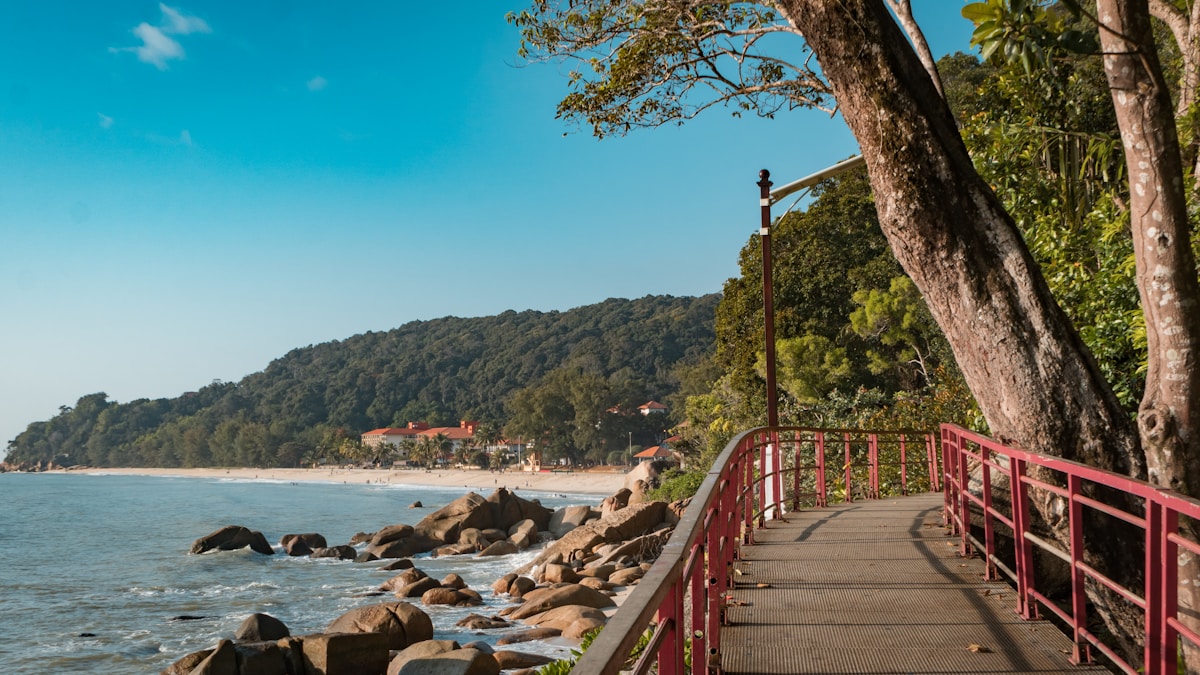
The most-visited beach near Kuantan is Teluk Cempedak, a calm sandy bay backed by forested hills about 5km from the city centre. The beach is clean, relatively uncrowded outside Malaysian public holidays, and has a handful of hotels, food stalls, and a functioning promenade. Swimming is generally safe in calm conditions; there are lifeguards on the beach during peak times. Chalets and budget accommodation are available at the beach itself, or you can stay in central Kuantan and take a short Grab ride.
Cherating
About 45km north of Kuantan, Cherating is a low-key beach village with a longstanding backpacker presence and a working surf break. The surf here - a right-hander that works in the monsoon swell - is best from November to February, which is also the roughest period for sea conditions generally on the east coast. Outside the surf season, Cherating is a quiet beach with turtle-nesting activity (green turtles nest here between May and September), affordable guesthouse accommodation, and a casual nightlife scene built around open-air bars and food stalls.
The stretch between Kuantan and Cherating has several additional beaches - Beserah and Balok among them - that are easy to explore by car or scooter.
Tasik Chini
Tasik Chini is a system of twelve natural lakes approximately 60km southwest of Kuantan, set within a forest reserve and surrounded by Jakun Orang Asli (indigenous community) settlements. The lakes are known for their lotus blooms, which flower from June to September and cover parts of the surface in pink. Boat trips on the lake are arranged through the resort on the eastern shore and take you through the lotus fields and into the surrounding jungle waterways. Day tours from Kuantan that combine Tasik Chini with a lotus boat ride and an Orang Asli village stop are also available, saving the logistics of driving and arranging permits independently.
The experience is genuinely distinctive - a large freshwater lake system within intact forest, with kingfishers and hornbills overhead and the Orang Asli communities along the edges. Infrastructure is basic: a single resort, a handful of homestay options in the village. Access is by road from Kuantan, approximately 90 minutes.
National Park Access
Kuantan sits at the edge of Pahang’s vast interior, which includes Taman Negara - one of the world’s oldest rainforests, covering some 4,343 sq km - and the Endau-Rompin park system to the south. Taman Negara’s main access point is Kuala Tahan, around three hours from Kuantan; Endau-Rompin is accessible from Mersing to the south. Kuantan is not the closest gateway to either, but travellers on an east coast route can use it as a realistic staging point for interior trips.
Food and Culture
Kuantan has strong Malay culinary traditions - nasi kerabu (blue rice with herbs and coconut), ikan bakar (grilled fish), and a variety of kuih (Malay sweets and snacks) are well-represented in the market areas. The central market near the bus terminal has a productive wet market section in the morning and cooked food stalls through the day. Seafood restaurants along the waterfront and near Teluk Cempedak are consistent - fresh fish, prawns, and squid at prices significantly below what you’d pay in KL or Penang.
The city is predominantly Malay-Muslim in character; dress modestly in public areas, and be aware that alcohol is not widely available outside hotel bars and Chinese-operated establishments.
When to Go
September to March is the east coast dry season and the optimal window for beach activity, outdoor exploration, and relatively settled weather. The northeast monsoon (November to February) brings the heaviest rain, occasionally restricting access to offshore locations, though Kuantan and its surroundings remain accessible. April to August is generally fine in Kuantan itself, though conditions vary.
Browse tours and activities, Book airport transfers, or Get a Malaysia eSIM.
For accommodation, search hotels in Kuantan on Booking.com.
More Kuantan Guides
- Things to do in Kuantan - Teluk Cempedak beach, Balok Beach, Tasik Chini lake, and day trips into Pahang’s interior
- Where to stay in Kuantan - beach hotels at Teluk Cempedak, city centre options, and budget guesthouses
- Taman Negara national park guide - Malaysia’s oldest rainforest, canopy walkway, and river trips from Kuala Tahan
- Best national parks in Malaysia - Taman Negara, Endau-Rompin, and Bako in context with Kuantan’s interior access
- Tioman Island travel guide - the nearest island destination from Kuantan’s direction, via Mersing to the south
- 2 weeks in Malaysia itinerary - the east coast route through Kuantan in a comprehensive peninsular Malaysia trip
Upcoming Events in Kuantan
Deepavali 2026 Malaysia: Dates, Celebrations & Where to Celebrate
Deepavali 2026 in Malaysia: public holiday 20 October. Kolam art and oil lamp displays in Brickfields KL and Penang's Little India, plus open houses.
Looking for somewhere to stay in Kuantan? Browse hotels in Kuantan , compare prices and book with free cancellation on most options.
Book an experience
Top experiences in Kuantan
Explore the best tours and activities in Kuantan, with instant confirmation and free cancellation on most bookings.