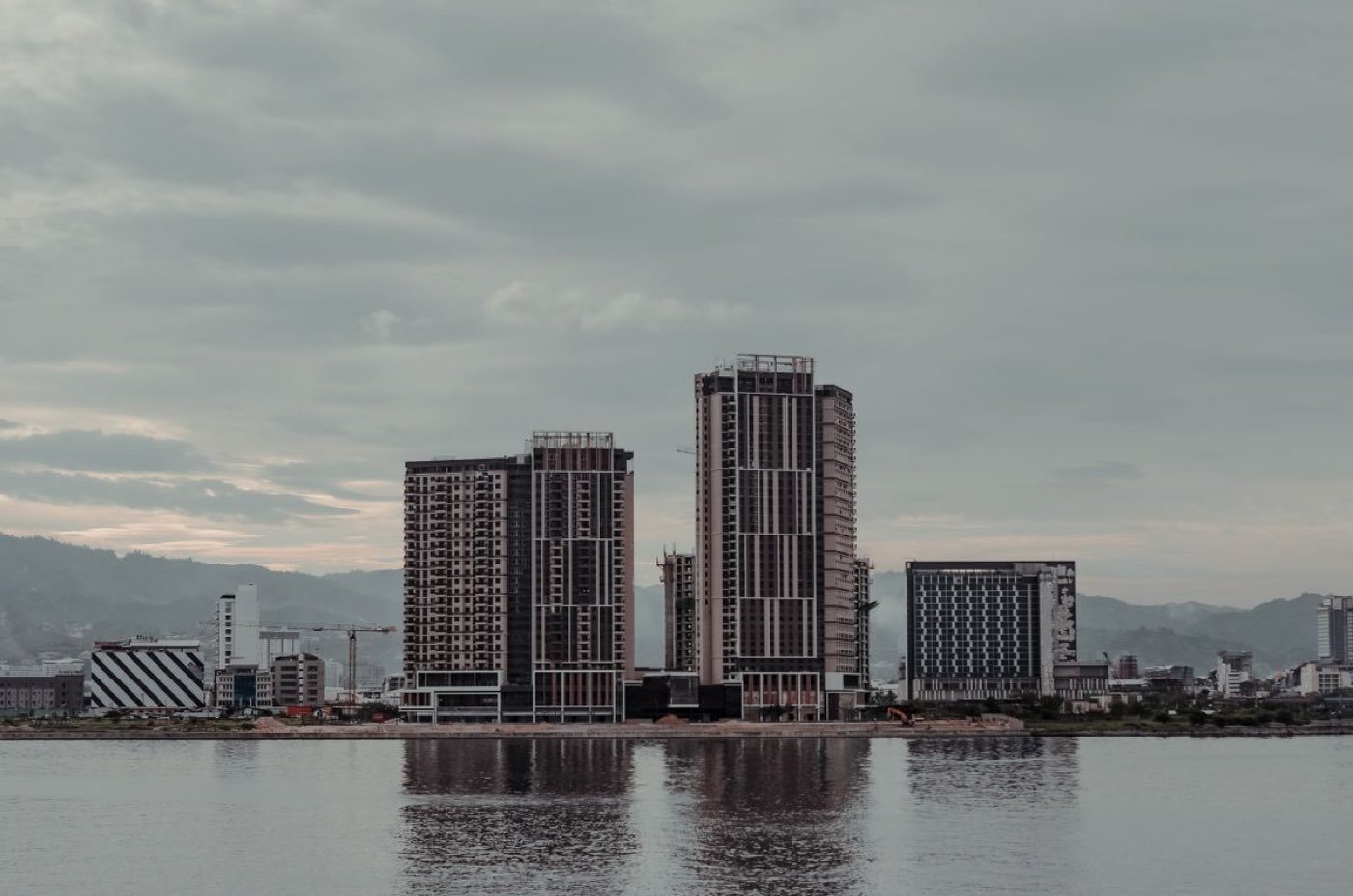
Kota Kinabalu sits at the intersection of Kadazan-Dusun, Hakka Chinese, Malay, and Filipino food cultures, and the result is a dining scene that has more distinctiveness than its modest skyline suggests. The best meals here are rarely the most expensive. A bowl of Tuaran Mee from a worn kopitiam counter and a plate of grilled grouper from the Filipino Market - both under RM20 - will be more representative of the city than any hotel restaurant. What follows covers the full range, from proper sit-down Sabahan food to waterfront seafood tables.
Sabahan and Kadazan Food
Sang Chai Loh in central KK is the most cited place for traditional Sabahan and Kadazan cuisine. The hinava (fresh fish cured in lime with sliced bitter gourd, chillies, and shallots) is the dish to order first - it is the most Sabah-specific item on any menu and this kitchen does it properly. The bosou (fermented meat with rice and tapai) is for adventurous diners; the Tuaran Mee and Sabahan-style pork dishes are more universally accessible. A full meal for two runs RM35–60 with drinks. The room is straightforward and busy at lunch.
The Sabah State Museum restaurant (inside the museum grounds in Bukit Petrajaya, about 3km from the city centre) serves hinava and other traditional preparations at lunch. The cooking is less refined than Sang Chai Loh but the setting - a traditional longhouse-style structure inside a public museum - adds context. Budget RM15–25 per person for a light meal. Good for combining with a visit to the museum’s ethnobotanical garden.
Kopitiam and Chinese Coffee Shops
Jalan Gaya has the best concentration of Chinese-influenced breakfast and lunch spots in KK. These are old-school Hainanese and Cantonese kopitiams with worn marble tables, ceiling fans, and menus that have not changed significantly in decades. The standard order: wonton noodles or pork noodles (RM7–12), kaya toast with soft-boiled eggs (RM5–8), and a glass of Nanyang white coffee or teh tarik (RM2.50–4). Most open before 7am and close by early afternoon.
Fatt Kee on Jalan Gaya is one of the older establishments, with pork noodles and wonton soup that draw a queue on weekend mornings. The broth is long-cooked and the char siu (barbecue pork) quality is noticeably better than at faster-turnover spots. Budget RM8–15 for a bowl with extras.
The Central Market (Pasar Besar) upper floor has Malay and Sabahan cooked food stalls that open early and are best for a RM6–10 breakfast - nasi lemak with sambal ikan bilis, laksam, and various rice and noodle options. The produce stalls on the ground floor are worth a pass even if you are eating elsewhere; the quality of local tropical fruit here is as good as anywhere in the state.
Waterfront Seafood and Mid-Range
Alu-Alu Kitchen near the KK waterfront is the city’s most established upscale seafood restaurant and a practical option for visitors who want a proper sit-down meal without resorting to a hotel dining room. The menu focuses on Sabahan and Malay-style seafood preparations - steamed fish with ginger and soy, butter prawns, clams in chilli paste - with produce sourced fresh daily. Mains run RM35–80; the whole-fish dishes are the best value and the kitchen’s recommendation varies by catch. Booking ahead is advisable on weekends.
For a less formal version of the same idea, the seafood restaurants along the Kampung Nelayan waterfront (about 3km north of the city centre) serve live fish and crustaceans by weight with minimal seasoning - charcoal grilled, steamed, or stir-fried. These restaurants are plainly furnished but the produce quality is consistently high and the prices are fair: RM25–60 per person for a full meal with a shared fish, prawns, and vegetables.
Hawker Centres and Evening Eating
The Lintas Hawker Centre and the cluster of stalls around Lintas Plaza (approximately 5km from the city centre, reachable by Grab for RM8–12) are where KK residents eat most weekday evenings. The range covers Sabahan-Chinese stalls, Malay nasi campur, grilled chicken wings, fried rice, and several stalls serving Tuaran Mee and claypot dishes. Prices run RM5–15 per dish. This is the most authentic hawker experience in KK for the effort of getting there.
Damai (one district east of Lintas, also about 5–6km from the waterfront) has a parallel cluster of evening stalls. Locals debate which is better; both are significantly more representative of how the city eats than anything in the immediate city centre.
Western and International
Cock & Bull on Jalan Gaya is a long-running British pub and bistro that serves burgers, grilled mains, and a dependable range of draught beers in an air-conditioned interior. Mains run RM25–45. It is not a destination in itself but useful as a low-effort option near the waterfront hotels, particularly for groups with mixed preferences.
KK has a thin but functional Indian food scene around the city centre, with several small North Indian restaurants serving thali lunches (RM10–18) and roti canai available at mamak stalls throughout the day.
For the full overview of the area, see our Kota Kinabalu travel guide. Related reading: Best Cafes in Kota Kinabalu.
Practical Notes
For an overview of what dishes to try rather than where to eat them, the Kota Kinabalu food guide covers hinava, Tuaran Mee, ambuyat, and the Filipino Market in more detail. For guided access to the best stalls and markets, food tours of Kota Kinabalu cover the Filipino Market, Gaya Street kopitiams, and the night market in a single evening outing. For accommodation, search hotels in Kota Kinabalu. Our Kota Kinabalu hotels guide lists named picks by budget.