An honest starting point: KK is a logistics hub for Sabah’s wildlife, not a wildlife destination in itself. The city’s immediate surroundings offer some options for seeing Borneo animals without extensive travel, but the best wildlife encounters in Sabah require either a 250km journey east to the Kinabatangan River or a flight to Sandakan. Understanding this distinction prevents disappointment and helps you plan the right number of days.
Lok Kawi Wildlife Park
Located 20km south of KK, Lok Kawi Wildlife Park is Sabah’s closest equivalent to a zoo - though with significantly more space than a conventional zoo, and a genuine conservation function for some species. Entry costs RM30 for adult foreigners (around USD 6.40) and the park is reachable by Grab in 30–40 minutes from the city centre.
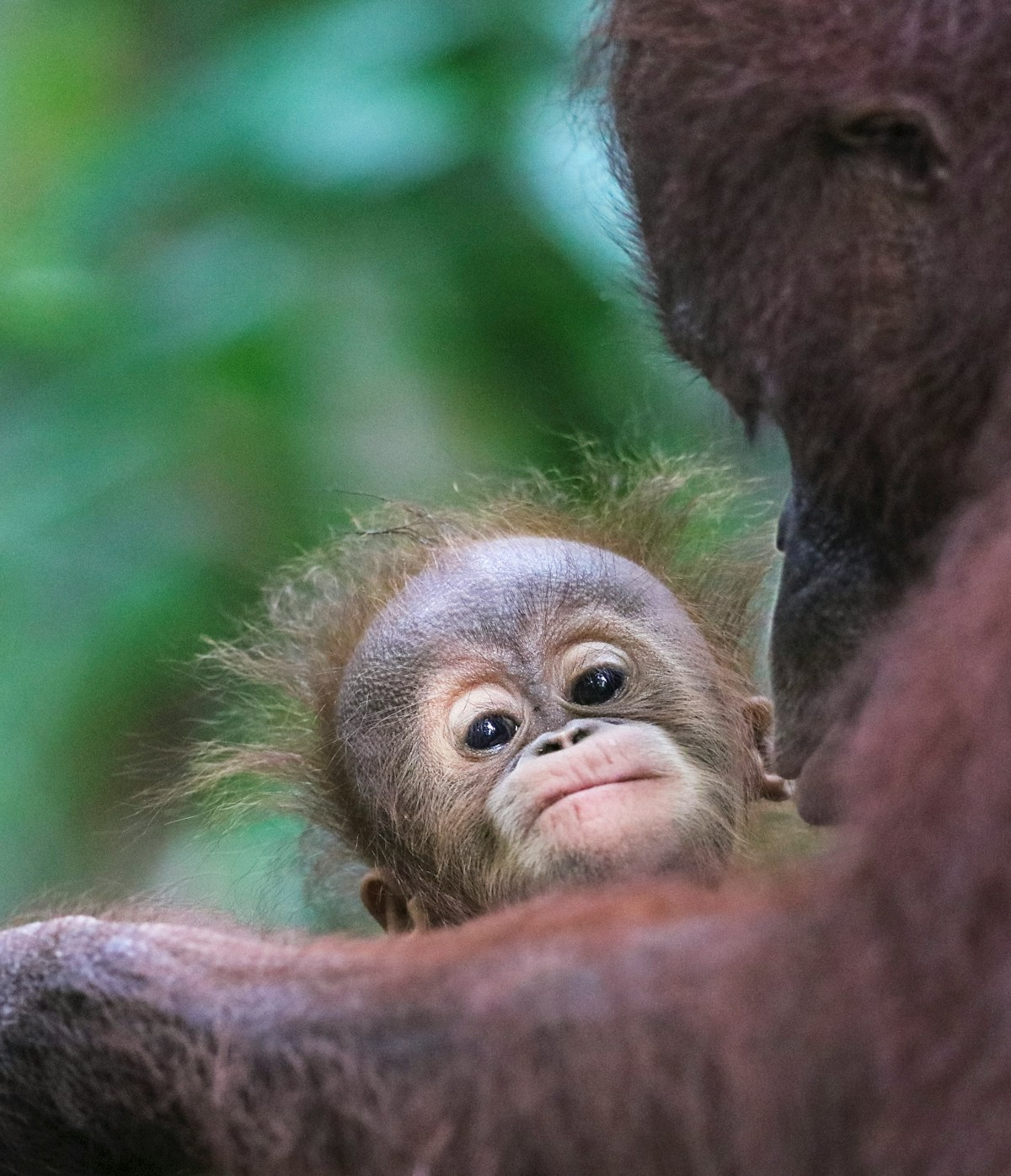
The resident animals include Borneo pygmy elephants - the world’s smallest elephant subspecies, found only in Borneo - as well as Bornean orangutans, Malayan sun bears, proboscis monkeys, and an enclosure for the critically endangered Sumatran rhinoceros (the rhino here is significant - it is part of a captive breeding programme; wild Sumatran rhinos are functionally extinct in Sabah). There are also saltwater crocodiles, binturong, hornbills, and numerous bird species.
Lok Kawi is a reasonable half-day option if you have children in your group or if your overall Sabah itinerary is short. It gives a reliable encounter with species that are genuinely difficult to see in the wild. That said, watching orangutans in a large enclosure is a different experience from watching them forage in forest - keep expectations calibrated accordingly.
Kinabatangan River
The Kinabatangan is the best wildlife river in Malaysia and one of the most productive wildlife corridors in Southeast Asia. The lower Kinabatangan - around the villages of Sukau and Bilit - is where forest, oxbow lakes, and the river itself concentrate wildlife at a density unusual even for Borneo.
From KK, reaching the Kinabatangan takes approximately 3–4 hours by road (or a 45-minute domestic flight to Sandakan followed by a 1.5-hour transfer). The journey is long enough that a single-day trip from KK is not practical - a minimum two-night stay at a river lodge is required to experience the morning and evening boat rides that make the area worthwhile.
What you can expect to see: Borneo pygmy elephants are regularly spotted along the riverbank, particularly in the late afternoon. Proboscis monkeys - the large-nosed, pot-bellied monkeys endemic to Borneo - gather in trees along the water’s edge near dusk to roost. Long-tailed macaques and silver leaf monkeys are seen throughout the day. Saltwater crocodiles are present and occasionally visible from the boats. Orangutans appear in the riverside forest, though sightings are not guaranteed - the Kinabatangan is not a rehabilitation centre, and these are genuinely wild animals. Birdlife is exceptional: eight hornbill species are recorded in the area, along with the oriental darter, stork-billed kingfisher, and various raptors.
Lodge packages at Sukau or Bilit typically include accommodation, meals, and two to three boat rides per day. Rates run RM300–800 per person per night depending on the lodge (Sukau Rainforest Lodge at the higher end; budget camps like Uncle Tan Wildlife Camp at the lower). Booking directly with lodges or through Sabah-based tour operators is recommended - this is not the kind of trip to leave unbooked until you arrive.
The Kinabatangan is accessible from both KK and Sandakan. If your itinerary includes Sandakan and Sepilok, it is more efficient to do the Kinabatangan as part of an east Sabah loop rather than returning to KK between stops.
Mari-Mari Cultural Village
While primarily a cultural rather than wildlife experience, Mari-Mari Cultural Village (see things to do in KK) provides context for Sabah’s ethnic communities and their historical relationship with the land and wildlife of Borneo. It is sometimes included in combined cultural-wildlife itineraries targeting Sabahan identity alongside nature.
Browse tours and activities, Get a Malaysia eSIM, or Compare travel insurance.
Practical Advice
Wildlife viewing in the wild requires early starts and patience. The Kinabatangan is at its most productive in early morning (6–8am) and late afternoon (4–6pm) - these are the boat-ride windows that lodges build their schedules around. Midday is hot and relatively quiet. Pack light, wear muted colours, bring insect repellent, and accept that sightings are probabilistic rather than guaranteed. That unpredictability is part of what makes the encounters meaningful when they happen.
For accommodation in Kota Kinabalu, search hotels on Booking.com.