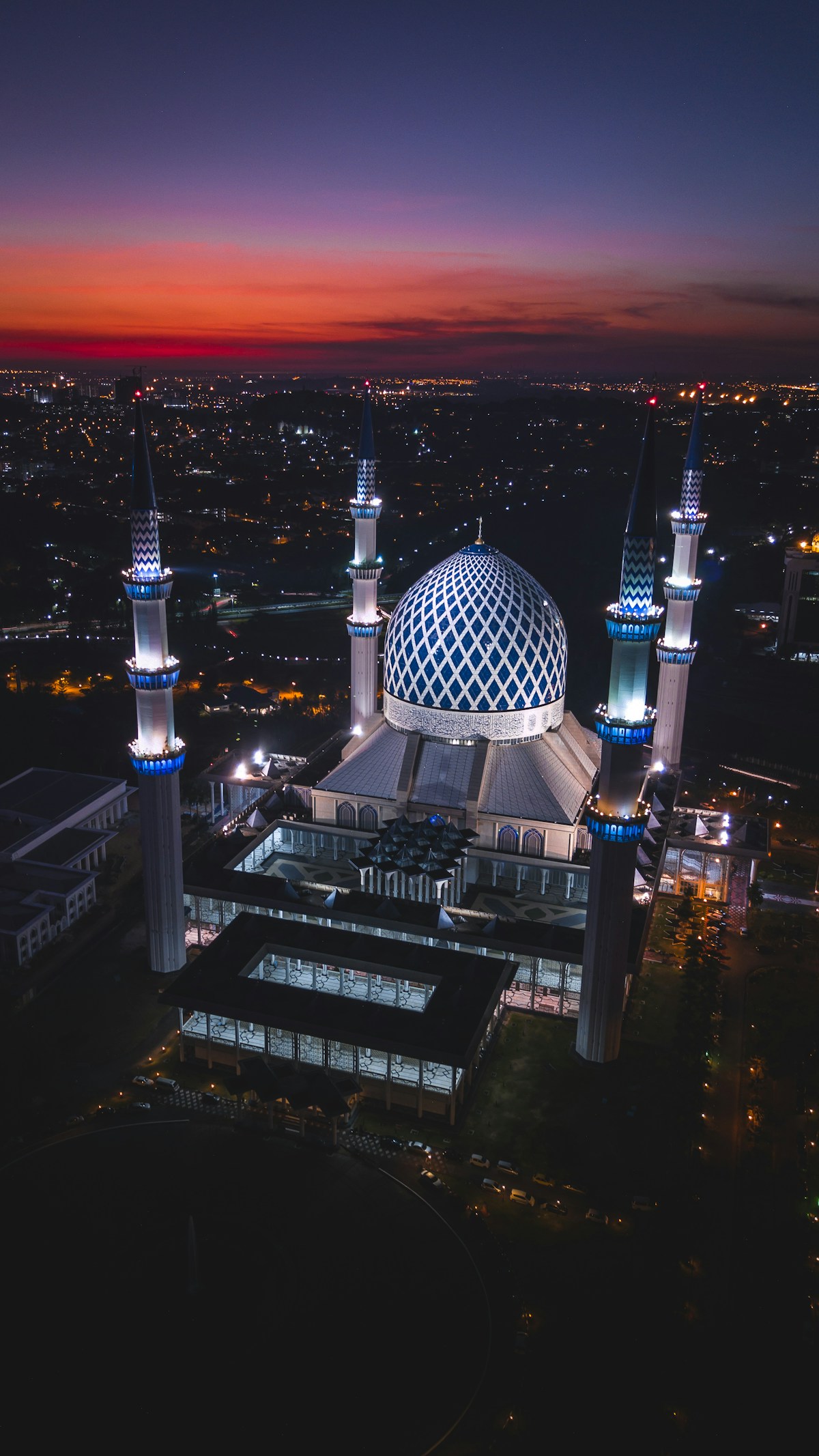
Kota Bharu Travel Guide: Traditional Malay Culture on the East Coast
Watch batik woven and wayang kulit performed in Malaysia's most traditional city. Gateway to the Perhentians, Thai border, and east coast culture.
Guides for Kota Bharu
Kota Bharu is the capital of Kelantan state, on the east coast of peninsular Malaysia close to the Thai border. It has a population of around 490,000. Kelantan is the only Malaysian state governed by PAS, an Islamic party, and the city reflects this in its social character - alcohol is largely unavailable, dress codes are more conserved than in west coast cities, and the cultural identity is more distinctly Malay rather than the multi-ethnic mix typical of KL or Penang.
This makes Kota Bharu an unusual stop in the context of Malaysian tourism. Traditional Malay arts and crafts that have diminished elsewhere survive here in active practice: shadow puppetry (Wayang Kulit), wau (kite-making and the traditional Malaysian kite), batik production, silvercraft, and rebana (traditional drumming). The Central Market, one of the largest in Malaysia, is an active daily market rather than a tourist showcase.
The Central Market (Siti Khadijah Market)
The Pasar Besar Siti Khadijah is Kota Bharu’s main wet and dry market, housed in an octagonal building on Jalan Tok Hakim. It operates from early morning and is dominated by female traders - an unusual characteristic in Malaysian market culture. Fresh produce, spices, textiles, and traditional food stalls on the upper floor. The atmosphere is an accurate reflection of daily Kelantan life rather than a performance for visitors. Arrive by 7–8am for the most active period.
Traditional Crafts
Batik: Kota Bharu and the surrounding Kelantan villages produce hand-drawn and block-printed batik. The technique uses wax-resist dyeing on cotton or silk. Several workshops around the city centre allow visitors to observe production and purchase directly at lower prices than KL boutiques. Jalan Sultanah Zainab has a cluster of fabric shops.
Wayang Kulit (Shadow Puppetry): Traditional shadow puppet performances use intricately cut and painted leather puppets projected against a backlit screen, with a dalang (master puppeteer) voicing all characters. Performances are now rare outside of festivals and cultural shows - the Cultural Centre on Jalan Mahmood sometimes schedules evening performances for visitors. Check on arrival or through your accommodation, or browse Kota Bharu cultural tours for guided half-days that cover the batik workshops, silvercraft quarter, and cultural centre in one session.
Wau (Traditional Kites): The wau bulan (moon kite) is Malaysia’s national kite and is closely associated with Kelantan. The ornate painted kites can reach 3.5 metres in wingspan and produce a distinctive humming in flight. Craft workshops in villages around Kota Bharu produce them - enquire at the Tourism Information Centre on Jalan Sultan Ibrahim for current workshops open to visitors.
Silvercraft: Kelantan is one of the main centres for Malaysian silversmithing, producing jewellery and decorative items using repoussé and filigree techniques. The silversmith quarter is in the Kampung Sireh area, where workshops can be observed.
Getting There
By air: Sultan Ismail Petra Airport (KBR) is 9km from the city centre. AirAsia and Malaysia Airlines operate direct flights from Kuala Lumpur (1 hour, RM60–150). Grab and taxis serve the airport.
By bus: KL TBS to Kota Bharu is approximately 8 hours (RM40–60 with Transnasional and several other operators). Overnight buses are the standard approach from KL. From Penang, buses take 5–6 hours.
By train (Jungle Railway): The Keretapi Tanah Melayu (KTM) Jungle Line runs from Gemas (in Negeri Sembilan, connected to KL) through the interior of the peninsula to Tumpat, near Kota Bharu. The journey is scenic - dense jungle, river crossings, and small rural stations - but extremely slow (18+ hours from KL) and subject to delays. Worth considering only for dedicated train travellers or those specifically interested in the Malaysian interior.
Getting Around Kota Bharu
Grab availability in Kota Bharu is limited. Taxis are the standard option - agree the fare before entering (typically RM8–15 for city centre journeys). Trishaws (bicycle rickshaws) operate in the old town and market area, RM5–10 for short distances. The city centre is walkable in the early morning or evening but the midday heat is intense.
Gateway to Thailand
Kota Bharu has two border crossings with Thailand, both relevant for travellers doing the overland Southeast Asia route:
Rantau Panjang (55km west of Kota Bharu): Road crossing into Sungai Kolok, Thailand. Regular buses from Kota Bharu city centre (RM5, 1 hour). From Sungai Kolok, Thai rail connects to Hat Yai and Bangkok.
Pengkalan Kubor (45km north of Kota Bharu): A smaller crossing by ferry across the river into Tak Bai, Thailand. Less commonly used than Rantau Panjang. Check current border opening hours before travelling - hours vary and may not accommodate all crossing times.
Both crossings are land border crossings requiring standard passport control. Visa requirements for Thailand apply - most Western nationals receive a 30-day stamp on arrival at land crossings, though this has been subject to policy changes. Verify current Thai visa policy before travelling overland.
Practical Notes
Kota Bharu is a conservative city and modest dress is respectful throughout - particularly important when visiting markets, government buildings, and any religious site. Women covering hair is not required for non-Muslim visitors, but covering shoulders and knees is appropriate. The city observes Friday as a half-day (Friday prayers at noon affect most businesses) and closes more completely than west coast cities on Friday evening.
Food in Kota Bharu is predominantly Malay - nasi kerabu (blue rice with coconut and herbs, a Kelantan speciality, RM5–10), nasi dagang (rice cooked in coconut milk with fish curry, RM6–12), and various kuih (traditional cakes and snacks). The Chinese food culture that defines hawker stalls in KL and Penang is largely absent here.
Browse tours and activities, Book airport transfers, or Get a Malaysia eSIM.
For accommodation, search hotels in Kota Bharu on Booking.com.
More Kota Bharu Guides
- Things to do in Kota Bharu - Pasar Siti Khadijah, Gelanggang Seni cultural centre, Istana Jahar museum, and the Thai border
- Best hotels in Kota Bharu - guesthouses and hotels near the central market and bus terminal
- Food to try in Kota Bharu - nasi kerabu, nasi dagang, Kelantanese kuih, and the best night market stalls
- Perhentian Islands travel guide - Malaysia’s top budget dive island, accessible from Kuala Besut near Kota Bharu
- East Coast Island Transfers guide - how to get from Kota Bharu to Kuala Besut jetty for the Perhentian ferry
- Kuala Terengganu travel guide - the east coast city south of Kota Bharu on the route to the Perhentians and Redang Island
- Halal food travel in Malaysia - Kota Bharu’s conservative Muslim character and what halal dining looks like across Malaysia
Upcoming Events in Kota Bharu
Deepavali 2026 Malaysia: Dates, Celebrations & Where to Celebrate
Deepavali 2026 in Malaysia: public holiday 20 October. Kolam art and oil lamp displays in Brickfields KL and Penang's Little India, plus open houses.
Looking for somewhere to stay in Kota Bharu? Browse hotels in Kota Bharu , compare prices and book with free cancellation on most options.
Book an experience
Top experiences in Kota Bharu
Explore the best tours and activities in Kota Bharu, with instant confirmation and free cancellation on most bookings.