Best Diving in Malaysia: Sipadan, Perhentian, Tioman and Beyond
Book an experience
Book this activity
These are the top-rated activities for this area — book ahead to lock in your preferred date.
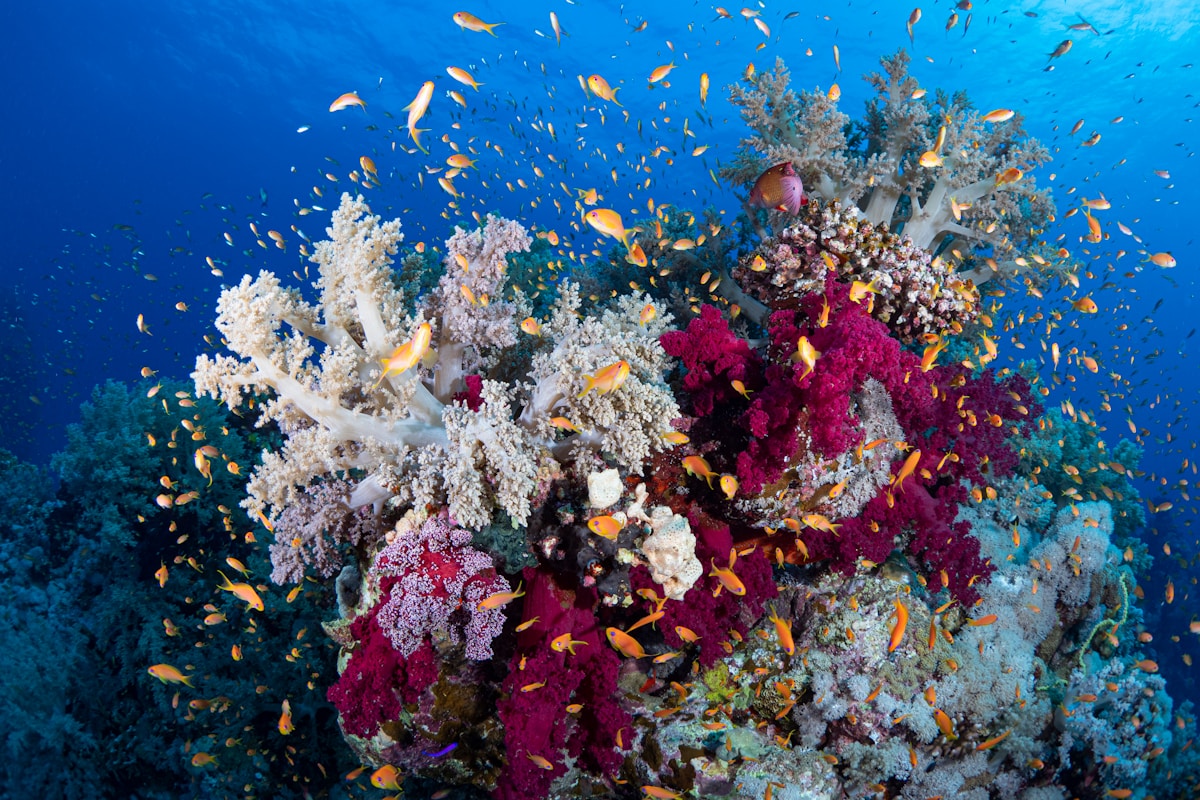
Malaysia ranks among the world’s best dive destinations. The range is exceptional — from the regulated, bucket-list depths of Sipadan to accessible beginner reefs in the Perhentians, with muck diving, fan coral walls, and seasonal pelagics in between. This guide covers the major sites in order of significance and gives you the practical information to plan a real trip.
Sipadan (Semporna, Sabah)
Sipadan is the benchmark. Malaysia’s only oceanic island — a seamount rising from 600 metres — it has never been dredged or disturbed, producing some of the densest marine life in the world. Schooling barracuda, large groups of bumphead parrotfish, hawksbill and green sea turtles at every dive, and seasonal hammerheads make it consistently ranked in the top five dive sites globally.
The permit system caps dives at 120 per day. There are no resorts on Sipadan itself. All accommodation is based on nearby Mabul Island or Kapalai. Your operator handles your permit allocation — expect 2–3 Sipadan dives during a 4–5 day stay. Book 3–6 months ahead. Advanced Open Water certification is strongly recommended due to currents.
See our full guide: Semporna diving and snorkelling
Perhentian Islands (Terengganu)
The most accessible dive destination on the east coast. Reef sharks and turtles are common on most dives, PADI courses start from around RM800, and the budget accommodation is some of the cheapest in Malaysia. The season runs May to September — the islands close to visitors from November to February due to monsoon.
Strong currents at some sites mean beginners should take a course here rather than jumping straight to drift dives. Water visibility is typically 10–20 metres.
Full details: Perhentian Islands diving and snorkelling
Tioman Island (Pahang)
Tioman is a duty-free island with well-established diving infrastructure. Fan coral gardens, leopard sharks resting on the seabed, and the submerged rock pinnacles of Renggis Island are the highlights. The season runs March to November, with the clearest water in April–May and August–September.
See: Tioman Island things to do
Redang Island (Terengganu)
One of nine islands in the Terengganu Marine Park, Redang has strong visibility — often 15–20 metres — and healthy hard coral coverage. It is a good choice for divers completing their first certification in warm, clear, calm water. Most visitors stay in all-inclusive resort packages that bundle accommodation, meals, and dives. Season: May to September.
See: Redang Island things to do
Mabul Island (Semporna)
While Sipadan gets the headlines, Mabul is world-famous among underwater photographers for muck diving. The sandy bottom around the island hosts mandarinfish (best at dusk), mimic octopus, pygmy seahorses, frogfish, and blue-ringed octopus. If you are diving Sipadan from a Mabul base, factor in two or three dedicated muck dives here — they rival Sipadan for photographic content.
Full context: Semporna guide
Tunku Abdul Rahman Marine Park (Kota Kinabalu)
Five islands within boat-trip distance of KK city centre. The marine park is the easiest dive destination in Sabah for a day trip — no overnight stay needed, and dive operators run boats from the KK waterfront. Conditions are calm and visibility is reasonable. Best for beginners or divers with limited time in Sabah.
See: Kota Kinabalu diving and snorkelling
Langkawi (Kedah)
Langkawi is a more relaxed option on the west coast. Visibility is lower than the east coast sites (typically 5–12 metres), but the macro life at Pulau Payar Marine Park is interesting — lionfish, morays, and seahorses. A reasonable choice if you are already in Langkawi and want a dive day, but not worth making a special trip for.
See: Langkawi diving and snorkelling
Planning Your Dive Trip
Best time by region
East coast sites (Perhentian, Tioman, Redang): May to September. The monsoon closes these islands November to February.
Sabah and west coast (Sipadan, KK, Langkawi): year-round with some seasonal variation. Visibility in the Celebes Sea around Semporna is best April to December. Avoid diving Sipadan-area sites immediately after heavy rain, which can reduce visibility temporarily.
Water temperature
26–30°C year-round across all sites. A 3mm wetsuit is sufficient; a shorty is fine at shallower east coast reefs.
Certification requirements
Open Water is sufficient for most sites. Advanced Open Water is strongly recommended for Sipadan and any drift-heavy sites. Sipadan operators have the right to refuse divers they consider underprepared for current conditions. There are no liveaboards operating regular routes in Malaysian waters — the standard model is resort-based day diving, typically departing on 2–3 boat dives per day.
Frequently Asked Questions
- Can I dive Sipadan without a permit?
- No. Sipadan is restricted to 120 divers per day by permit, enforced strictly. You cannot purchase a permit independently — it is allocated and managed by the dive operators based on Mabul Island. Book your Mabul resort well in advance (3–6 months for peak season) and confirm that your package includes a Sipadan permit day. Operators typically guarantee a certain number of Sipadan dives across your stay, not one per day.
- Is Sipadan or Perhentian better for beginners?
- Perhentian is better for beginners. PADI Open Water courses start from around RM800 and the conditions are forgiving — shallow reefs, calm water from May to September, and no current-heavy drift diving. Sipadan is a world-class advanced site with strong currents, deep drop-offs, and a permit system that rewards divers who can handle varied conditions. Advanced Open Water certification is strongly recommended before diving Sipadan.
Ready to explore?
Browse hundreds of tours and activities. Book securely with free cancellation on most options.
Browse on GetYourGuide →We may earn a small commission — at no extra cost to you.