Malacca’s main sights are concentrated in a compact historic core - almost everything listed here is within walking distance of Dutch Square. A full day covers the essentials; two days allows for a slower pace and the outer neighbourhood draws like the Portuguese Settlement and Kampung Morten.
Dutch Square and the Stadthuys
The red-painted Stadthuys is the defining image of Malacca. Built by the Dutch in the mid-17th century, it served as the administrative centre of the colony and is one of the oldest surviving Dutch buildings in the East. The square surrounding it includes Christ Church (completed 1753, still functioning as an Anglican church) and a Victorian clock tower added under British rule.
Entry to the square and exterior is free. The Stadthuys interior now houses the Museum of History and Ethnography (RM10 adults), with artefacts covering Malacca’s Malay sultanate period through to the colonial era. The building’s thick walls and heavy timber construction are impressive up close.
The trishaws parked around the square - decorated with LED lights, plastic flowers, and sound systems playing pop music - are part of the Malacca experience whether you seek them out or not. A short ride costs RM20–30; an hourly tour of the heritage zone runs RM40–60.
A Famosa
Walking south from Dutch Square toward Bukit St Paul, the remains of the Portuguese A Famosa fortress are visible in the Porta de Santiago gate - the only surviving section of a fort that once covered the entire hilltop. The Portuguese built A Famosa after capturing Malacca in 1511. The Dutch demolished most of it after taking the city in 1641. The British planned to level the remaining gate before Stamford Raffles intervened in 1806. The surviving archway with its Dutch East India Company (VOC) inscription is a brief stop. Entry is free.
St Paul’s Hill and St Paul’s Church
A short climb up the hill behind Porta de Santiago leads to the ruined St Paul’s Church at the top. Built by the Portuguese in 1521 as the Chapel of Our Lady of the Hill, it served as a Dutch church before falling into disuse in the 18th century. The walls are partially intact. Old gravestones, mostly Dutch, are embedded in the interior floor and propped against the walls. The remains of St Francis Xavier were temporarily interred here before being moved to Goa in 1554.
The summit view over the Strait of Malacca - with the Malacca River below and the coast extending south - is the best vantage point in the city. Free entry, open at all times.
Baba Nyonya Heritage Museum
On Jalan Tun Tan Cheng Lock - locally called “Millionaires’ Row” for the wealthy Peranakan merchants who built their townhouses here - the Baba Nyonya Heritage Museum is a preserved three-unit shophouse of the Chan family, dating from around 1896. Guided tours only, running every 30 minutes (9am–12.30pm and 2pm–4.30pm, closed Tuesdays), RM18 for adults.
The tour covers the full interior: the receiving room with its tiled floors and carved screens, the family shrine, the kitchen, and the sleeping quarters. The furniture is dense - rosewood and mother-of-pearl inlay, lacquered Peranakan ware, embroidered fabrics. The guide explains the social customs and marriage rituals of Baba Nyonya families in genuine detail.
This is the single most informative stop in Malacca for understanding the city’s distinctive culture. Malacca’s Peranakan food scene makes more sense after the museum visit.
Jonker Street (Jalan Hang Jebat)
The main artery of Malacca’s Chinatown runs parallel to the river, lined with restored shophouses. During the day: antique dealers, Peranakan ceramic shops, woodcarving galleries, cafes, and the occasional functioning Chinese medicinal hall. Prices for antiques are negotiable.
Friday, Saturday, and Sunday evenings see the night market take over the street - vendor stalls set up from around 6pm selling grilled meats, Nyonya kuih, cendol, and a range of local street food. Jonker 88, a longstanding stall at the Jonker Street end, is consistently popular for its cendol (RM4–6) and laksa.
The night market is crowded and noisy. It is also one of the more genuine street food experiences in peninsular Malaysia - Malacca’s food culture is strong enough that the night market is not purely touristy. For guided heritage walks and food tours that cover the Peranakan quarter and Jonker Street in proper context, tours in Malacca are worth considering.
Cheng Hoon Teng Temple
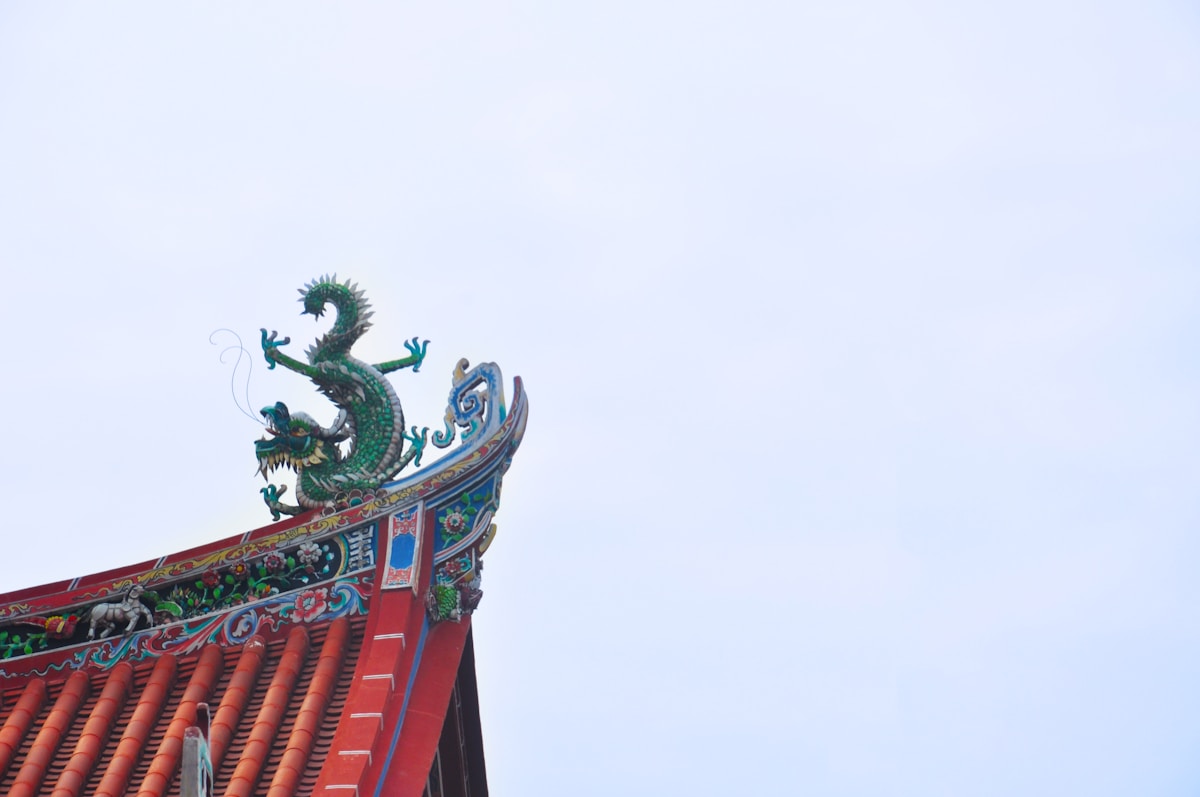
A five-minute walk from Jonker Street, Cheng Hoon Teng is the oldest functioning Chinese temple in Malaysia, established in 1646. The building is a notable example of southern Chinese architecture with its elaborate roof ridgeline. It remains an active place of worship. Free entry. Dress modestly.
Kampung Morten
A traditional Malay village sitting within the city boundaries, just across the river from the colonial core. Several dozen wooden stilt houses - some well over a century old - stand along narrow lanes. Community-led tours can be arranged through the residents (informal, no set price - a donation of RM15–30 is appropriate). It is a 15-minute walk from Dutch Square via the bridge.
Not every visitor makes it here, but Kampung Morten provides a counterpoint to the colonial architecture that dominates the heritage zone - Malacca’s Malay identity is older than any of the Portuguese, Dutch, or British structures.
Comparing Guided Tour Options in Malacca
Malacca’s guided tour options fall into three distinct formats: heritage walking tours, food tours, and day-trip packages from Kuala Lumpur. Heritage walking tours of the UNESCO core are the most popular — a 3-hour guided walk covers Dutch Square, St Paul’s Hill, A Famosa, Baba Nyonya heritage sites, and Jonker Street with colonial and cultural context that repays having a knowledgeable guide rather than reading information panels independently. Group tours run RM80–140 per person; private guide rates are RM250–350 for up to four people. The private format allows stops at the Baba Nyonya Heritage Museum (which requires a guided tour internally) to be integrated into the overall walk without scheduling around fixed group departures. Malacca tours on GetYourGuide list both group and private heritage formats.
Food tours are the second major category and are increasingly worth taking seriously. A Peranakan food and heritage tour — covering Nyonya restaurants, street food at Jonker 88, traditional kuih makers, and the Portuguese Settlement’s grilled seafood culture — runs RM100–170 per person for a 3–4 hour evening tour. The combination of food context and neighbourhood walking works well in Malacca specifically because the city’s culinary identity (Baba Nyonya cooking, Hainanese chicken rice, cendol) is inseparable from its heritage layers. A standalone food walk in the evening, timed to coincide with the Jonker Street night market, is arguably the best single activity in Malacca if you can only choose one.
Day-trip packages from KL are the third format — and the most widely booked because many visitors do not stay overnight. Full-day KL-to-Malacca tours by air-conditioned coach typically include the main heritage stops, a Nyonya lunch, and a trishaw ride, returning to KL by early evening. These run RM180–280 per person from KL. The trade-off is pace — the night market and the morning calm of the heritage quarter (before tour buses arrive at 10am) are both missed. If you are choosing between a day-trip tour from KL and staying overnight independently, staying overnight covers more of Malacca’s character. Browse Malacca tours for independent-operator options across all three formats.
For accommodation, search hotels in Malacca on Booking.com.