Kuala Terengganu Travel Guide
Islamic cultural capital with Pasar Payang market, Chinatown, Pulau Duyong, and the best gateway for reaching the Perhentian Islands.
Guides for Kuala Terengganu
Kuala Terengganu is the capital of Terengganu state, sitting at the mouth of the Terengganu River on Malaysia’s northeast coast. It is primarily known as an Islamic cultural centre - the Terengganu Inscription Stone, one of the oldest evidence of Malay-language writing using Arabic script, was found here, and the state has historically maintained a more conservative Muslim character than many other parts of Malaysia. For travellers, KT offers a compact and authentic east coast city experience, a rewarding market and waterfront district, and the most practical land approach to the Perhentian Islands.
Getting to Kuala Terengganu
Sultan Mahmud Airport (IATA: TGG) sits 18km from the city centre and handles domestic flights from Kuala Lumpur (approximately 45 minutes) on Malaysia Airlines, Batik Air, and AirAsia. Flights are frequent enough to make this the fastest approach from KL.
By road, KT is roughly six to seven hours from Kuala Lumpur via the east coast expressway. Transnational and several regional bus companies run services from TBS in KL; the journey time and frequency make buses a reasonable choice for those travelling the east coast circuit. From Kota Bharu to the north, KT is approximately two hours by bus. From Kuantan to the south, the journey is around three to four hours.
Taxis and Grab operate at the airport. The city centre, the market district, and major accommodation are all within a few kilometres of each other.
Pasar Payang
The central market - Pasar Payang, located on the waterfront near the mouth of the river - is the most active public space in the city and one of the best traditional markets on the east coast. The ground floor has fresh fish, vegetables, spices, and an extraordinary variety of local produce specific to Terengganu: budu (fermented fish sauce), keropok lekor (fish crackers), batik cloth in patterns unique to the state. The upper floors have dry goods and textiles.
Go early - by 9am the fresh produce section is in full flow, with fishermen unloading directly from the river. Pasar Payang has been partly modernised over the years but retains a working market character; it is not curated for tourists. Budget RM5–15 for snacks and keropok lekor to eat while walking the stalls.
Chinatown
KT’s Chinatown occupies a cluster of prewar shophouses along the riverside, a few blocks from Pasar Payang. The scale is modest - a single main street, a Chinese temple, several old coffee shops serving traditional kopi and toasted bread, and a handful of antique and curio sellers. The architectural contrast with the surrounding Malay city makes it worth an hour’s walk; the coffee shops serve as a practical rest stop.
Pulau Duyong
A short boat ride from the city - less than five minutes from the waterfront jetty - Pulau Duyong is a river island with a centuries-old tradition of timber boat-building. Traditional Malay vessels, including the perahu besar and fishing craft, have been constructed here using hand tools and methods largely unchanged for generations. Several boat yards remain active; you can walk past the workshops and see boats in various stages of construction. The island also has a small marina used by visiting yachts on the east coast circuit.
The island is calm and largely residential - a useful contrast to the market activity on the mainland. A few restaurants and simple food stalls cater to the marina crowd. Boats to Pulau Duyong leave from the waterfront near the central market.
Cultural Attractions
The Terengganu State Museum (Muzium Negeri Terengganu) is located a few kilometres south of the city centre and is one of the largest state museums in Malaysia. Its collections cover Terengganu’s Malay maritime history, the Terengganu Inscription Stone, traditional weapons, royal regalia, and local craft traditions including songket weaving and batik production. Entry is RM5 for adults; allow two hours.
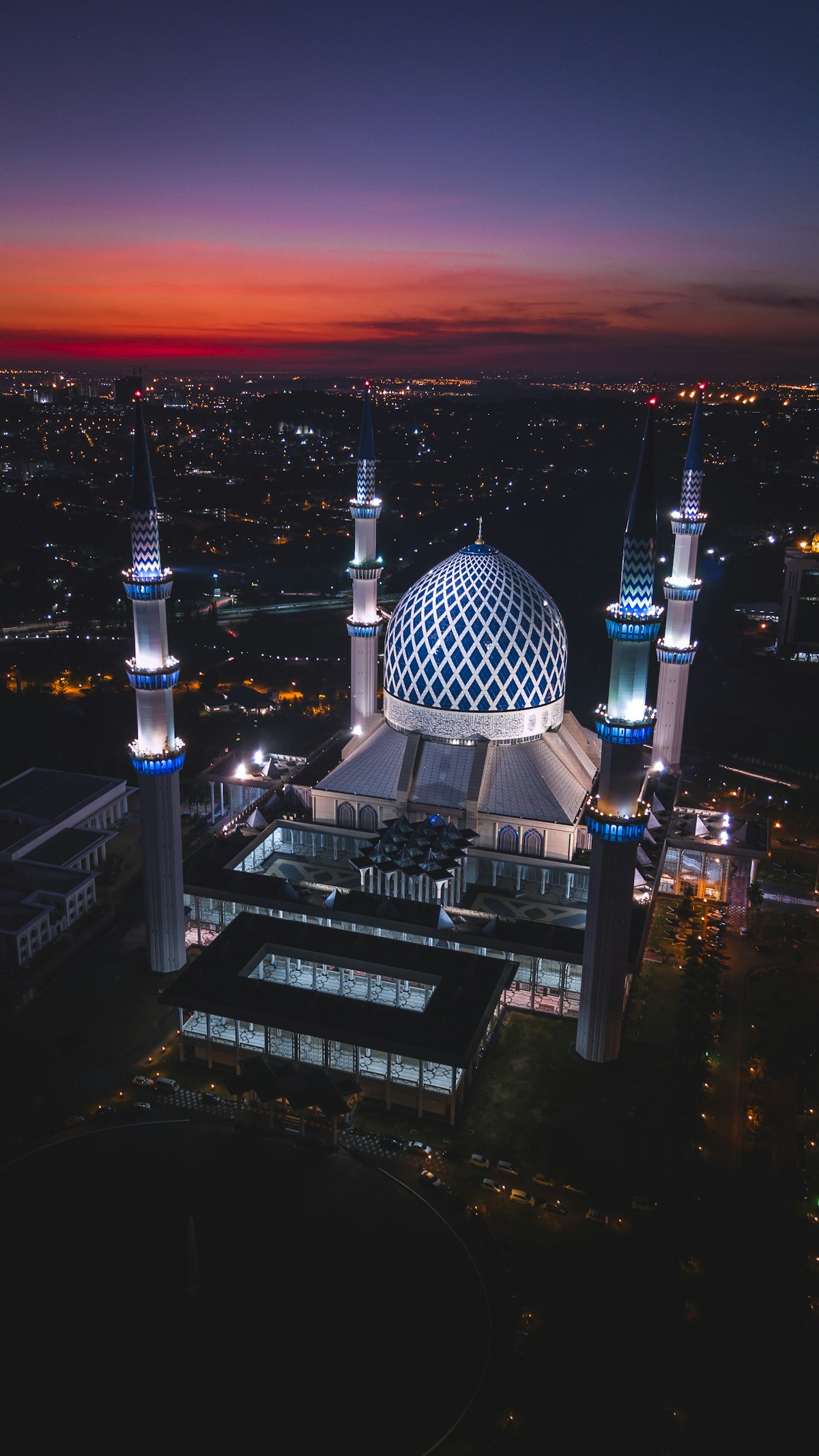
The Crystal Mosque (Masjid Kristal), built in 2008 on an artificial island in the Terengganu River, is visible from the waterfront and a local landmark. Non-Muslim visitors can enter outside prayer times; dress modestly. The adjacent Islamic Civilisation Park has a series of architectural replicas from the Islamic world that are of limited depth but provide context for understanding the city’s religious orientation. Guided cultural tours of Kuala Terengganu combine Pasar Payang, Pulau Duyong, and the Crystal Mosque in a half-day, with a guide covering the Islamic and maritime heritage of the city.
Gateway to the Perhentians
The primary reason many travellers include KT in their itinerary is proximity to the Perhentian Islands - one of Malaysia’s most-visited dive and snorkelling destinations. The ferry to the Perhentians does not depart from KT itself but from Kuala Besut, a fishing village 45 minutes north by road or bus. From KT, Grab, bus, or a guesthouse-arranged transfer covers this leg easily.
The Perhentian season runs from March to October. Outside these months, rough seas from the northeast monsoon make the crossing unsafe and island accommodation largely closes. If the Perhentians are the primary goal, time the KT visit accordingly.
Food
Terengganu’s food culture is closely linked to its fishing tradition. Keropok lekor - fish sausage made from mackerel and sago, boiled or fried - is the defining local snack and available throughout the market and from roadside stalls for RM1–2 per piece. Nasi dagang (glutinous rice with tuna curry) is the traditional east coast breakfast. Sata (grilled fish paste wrapped in banana leaf over charcoal) is sold at the night market and from roadside stalls in the late afternoon.
The waterfront near Pasar Payang has several seafood restaurants serving fresh catch at moderate prices. Malay-Muslim restaurants dominate, with pork-free menus standard across the city.
When to Go
The east coast dry season - September to March - is the best period for settled weather in KT and for making the crossing to the Perhentians. However, the Perhentian ferry season specifically runs March to October, meaning the optimal window for combining the city with the islands is March to early May and September to October. Heavy monsoon months (November and December) are the least comfortable for visiting, though KT itself remains open and functional year-round.
Browse tours and activities, Book airport transfers, or Get a Malaysia eSIM.
For accommodation, search hotels in Kuala Terengganu on Booking.com.
More Kuala Terengganu Guides
- Things to do in Kuala Terengganu - Pasar Payang, Crystal Mosque, the Terengganu State Museum, and the Perhentians ferry
- Best hotels in Kuala Terengganu - hotels near the waterfront and bus terminal with options across budgets
- Perhentian Islands travel guide - diving, snorkelling, and island accommodation on Malaysia’s top east coast islands
- Redang Island travel guide - the premium resort island reached by speedboat from Merang, 45 minutes north of KT
- East Coast Island Transfers guide - bus routes, taxi fares, and ferry logistics for reaching the Perhentians and Redang from KT
- Kota Bharu travel guide - the east coast city to the north, connecting the Thai border with the Perhentians circuit
- 2 weeks in Malaysia itinerary - how the east coast route through KT fits into a full peninsular Malaysia trip
Upcoming Events in Kuala Terengganu
Deepavali 2026 Malaysia: Dates, Celebrations & Where to Celebrate
Deepavali 2026 in Malaysia: public holiday 20 October. Kolam art and oil lamp displays in Brickfields KL and Penang's Little India, plus open houses.
Looking for somewhere to stay in Kuala Terengganu? Browse hotels in Kuala Terengganu , compare prices and book with free cancellation on most options.
Book an experience
Top experiences in Kuala Terengganu
Explore the best tours and activities in Kuala Terengganu, with instant confirmation and free cancellation on most bookings.